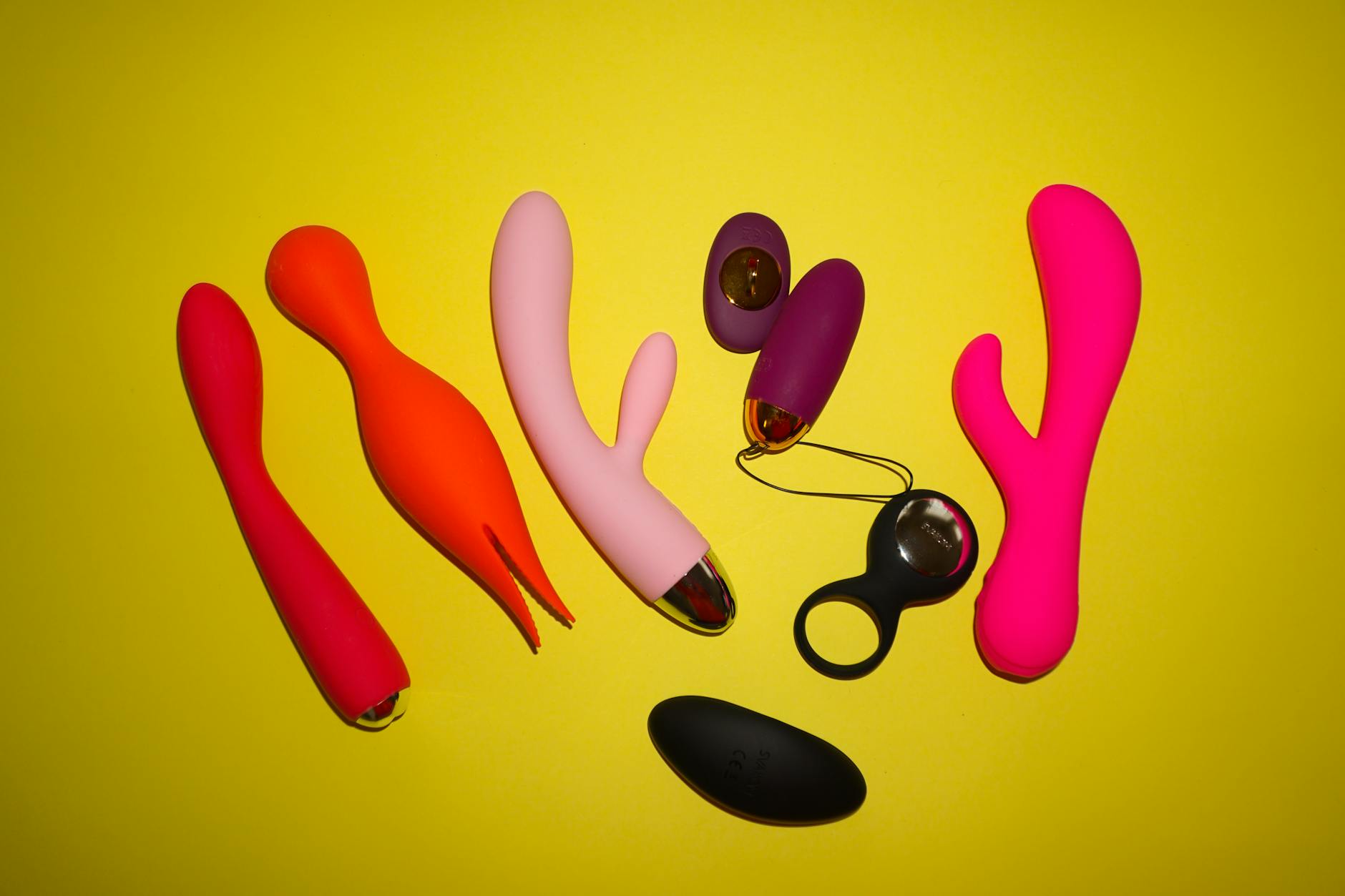
Let's talk about what nobody mentions
You started blood pressure medication. Your numbers dropped. Your partner is thrilled. Your doctor is thrilled. And then you noticed something quietly terrible: arousal feels muffled, orgasms take longer, or they don't arrive at all. You're not imagining it. This is real, it's common, and it's fixable.
Here's what I want you to know first: your medication is doing its job. The side effects you're experiencing are a real physiological cost of some blood pressure drugs, not a personal failure or the beginning of permanent change. And there are specific strategies—including how you use tools like lemon clitoral vibrators—that can help you navigate this transition without abandoning the medication that's protecting your heart.
How blood pressure meds actually affect arousal
Certain blood pressure medications dampen sexual response in predictable ways. Beta-blockers and some diuretics are the biggest culprits. Here's the mechanism: they relax blood vessels to lower pressure. But that same relaxation affects the vascular cascade that drives arousal—the rush of blood to the genitals, the engorgement, the sensitivity increase. It's not intentional collateral damage; it's just how the circulatory system works.
Additionally, some blood pressure medications affect dopamine and noradrenaline production in the brain. These neurotransmitters are critical for desire itself. You might not feel the absence of desire as a blank space. Instead, you notice that sex feels less urgent, less compelling. When you do engage, the response feels slower, duller, or requires more direct stimulation than before. That's neurotransmitter suppression, and it's reversible once your body adjusts or your doctor adjusts your dose.
The third effect is on the sympathetic nervous system—the system responsible for arousal. Blood pressure medications calm it down (which is the point). But a calm nervous system is a slow-to-arouse nervous system. Warm-up takes longer. Peaks flatten.
Why the adjustment period matters
Three to six months after starting a blood pressure medication, many people find that sexual side effects soften. Your body adapts. The initial shock wears off. But here's the problem: most people assume that if it hasn't improved by month two, it never will, so they switch medications or stop taking the drug altogether. That's backwards. Give it time.
If you're in that adjustment window, the worst thing you can do is panic or blame your relationship. Sexual frustration often gets redirected at a partner—"You're not turning me on anymore"—when the truth is your nervous system is on a different timeline. Separate the medical reality from the emotional one. Your body is adjusting. That's not the same as broken.
What lemon vibrators do differently
Lemon-style clitoral vibrators like The Lem use a specific mechanism: air-suction technology that stimulates the clitoral complex without relying on the deep vascular response that blood pressure meds suppress. Here's why that matters.
Traditional vibrators ask your body to respond through friction and pressure—mechanisms that depend on baseline arousal and engorgement. When those are dampened by medication, traditional vibration feels weaker or requires intense settings to work at all. Air-suction works differently. It creates a gentle, rhythmic pattern that stimulates the surface nerves of the clitoris directly, without needing the underlying vascular infrastructure to be in overdrive.
In practical terms: many people on blood pressure medication find that a lemon clitoral vibrator produces results—orgasm, intensely pleasurable sensation—when other methods feel flat. You're not working harder. You're working with your body's current state, not against it.
Practical adjustments while your body adapts
Four things that help during the adjustment phase:
Extend warm-up. Your arousal timeline has shifted. Budget 20-30 minutes for mental and physical warm-up instead of 10. This isn't a sign of problems; it's a sign you need patience. Use this time for conversation, touch, teasing. Rushing into main event when your nervous system isn't ready is setting yourself up for disappointment.
Start with pattern one. Lemon vibrators offer multiple intensities and patterns. Resist the urge to jump to pattern five. Begin at the lowest setting and find the rhythm your body responds to right now. As your medication side effects ease, you may want stronger stimulation. For now, work with what's available.
Use a lemon sucker for solo sessions first. If you're partnered, it can feel vulnerable to explore new tools during the adjustment period. Solo play lets you figure out what works without performance pressure. Once you understand your own response, partnered use becomes collaborative discovery instead of "fixing" a problem.
Talk to your doctor about alternatives. Some blood pressure meds have lower sexual side effect profiles than others. ACE inhibitors, for example, often cause fewer sexual side effects than beta-blockers. If you're three months in and still experiencing significant dampening, ask about switching classes. Don't stop the medication—swap the formula.
The emotional piece (which is just as real)
Here's the part people don't talk about: sexual side effects from medication create a specific kind of grief. You didn't lose your desire to a breakup or a life crisis. You didn't choose this. It arrived with a prescription bottle, which somehow makes it feel more permanent and more personal. Many people describe it as mourning the sexual ease they had before.
That's normal and valid. It's also temporary. But you have to actually acknowledge the grief instead of pushing straight into "let's fix it." Have a conversation with your partner (if you have one) that doesn't center on solving the problem. Just say it: "This sucks. I miss how I felt before. I'm frustrated." That acknowledgment often reduces the emotional weight enough to actually move forward.
When it's time to involve your doctor
If you're beyond six months on the medication and sexual side effects haven't improved, or if they've gotten worse, bring it up at your next appointment. Be specific. Don't say "sex doesn't work anymore." Say: "Arousal takes much longer, and orgasm requires significantly more stimulation than it did before medication." Doctors hear this regularly. They're not going to judge you, and they have options.
Your doctor might suggest adding a secondary medication to counteract the sexual side effects, switching to a different blood pressure drug, or adjusting your dose. All of these are legitimate approaches. The goal is to keep your cardiovascular system healthy without sacrificing your sex life entirely.
If your doctor dismisses the issue or says "that's just what happens," seek a second opinion. There are cardiologists and family doctors who take sexual health seriously as part of overall wellness. You deserve that care.
Why lemon clitoral vibrators are worth trying
Lemon sexual toys—especially suction-style vibrators—are particularly useful during medication adjustment because they work with your physiology rather than against it. You're not waiting for deep arousal to build. You're accessing pleasure through a different neural pathway. For many people on blood pressure medication, that distinction is the difference between orgasm and no orgasm.
They're also simple to use, intuitive, and low-pressure. If you're already feeling vulnerable about sexual side effects, you don't need a complicated learning curve. The Lem Toy gives you immediate, straightforward results. Start at setting one. Work your way up if you want to. Stop when it feels good. That's all there is.
You're not broken; you're adjusting
Blood pressure medication is a gift—it's keeping you alive. The sexual side effects are a real cost, but they're not permanent, and they're not personal. Your body is adapting. Your nervous system is learning to function at a lower baseline of stimulation. In three, six, maybe twelve months, you might find that sexual response improves on its own. Or you might find that lemon vibrators have become part of your pleasure toolkit permanently. Both are fine. Both are normal.
The key is to separate the medical event from the emotional spiral, give your body time to adjust, and use tools—whether that's conversations with your partner, adjustments from your doctor, or exploring lemon clitoral vibrators—that help you reclaim pleasure on your new timeline.
People also ask
How long does it take for blood pressure medication to stop affecting sexual function?
Most people see improvement within three to six months as the body adapts. However, some medications cause persistent sexual side effects even after adaptation. If you're beyond six months with significant symptoms, talk to your doctor about switching medications rather than waiting longer. Don't assume the effect is permanent without professional guidance.
Can I stop taking blood pressure medication if the sexual side effects are too severe?
No. Stopping blood pressure medication without medical supervision is dangerous and can lead to stroke, heart attack, or kidney damage. Instead, contact your doctor and ask about switching to a medication class with a lower sexual side effect profile—like ACE inhibitors instead of beta-blockers. There are options, but stopping entirely isn't one of them.
Do lemon vibrators work better than other vibrators when you're on blood pressure medication?
Many people report better results with lemon clitoral vibrators—or air-suction devices in general—because they stimulate the clitoris without relying on the deep vascular engorgement that blood pressure meds suppress. That said, everyone's body is different. What works depends on your specific response and which blood pressure medication you're taking. It's worth experimenting, but there's no guarantee.
Will my sexual function return completely once I stop the blood pressure medication?
If you ever stop the medication (which should only happen under medical supervision), sexual function usually improves significantly within weeks. However, most people need to stay on blood pressure medication long-term. The goal isn't to stop the medication; it's to adapt to it and find ways to maintain pleasure while protecting your health.
Is it normal to feel emotionally disconnected from sex while on blood pressure medication?
Yes. When blood pressure medications affect dopamine and noradrenaline, they can dampen not just physical arousal but emotional interest in sex. This often feels like more than just a physical side effect—it feels like desire itself has disappeared. This is common, it's temporary in many cases, and it's treatable. Talk to your doctor if emotional disconnection persists beyond six months.
Can I use lemon vibrators while taking blood pressure medication?
Absolutely. Lemon clitoral vibrators are safe to use while on any blood pressure medication. In fact, they may be particularly helpful because they work through a different mechanism than traditional vibration. There are no contraindications between suction-style lemon sexual toys and blood pressure drugs.
Next steps
If you're navigating sexual side effects from blood pressure medication, you're not alone. Thousands of people manage this transition successfully. Start with patience—give your body time. If you need support, reach out to The Lem Toy community or talk to your doctor about medication adjustments. Your cardiovascular health and your sexual pleasure both matter.