
When pain becomes the third person in the room
Chronic pain doesn't just hurt. It taxes your nervous system, floods your body with stress hormones, and rewires how pleasure registers in your brain. Most conversations about pain and sex stop at "it might be uncomfortable," which is technically true but wildly incomplete. Here's what actually happens physiologically, and what it means for using a lemon vibrator when pain is part of your baseline.
How chronic pain changes arousal
When you live with chronic pain, your nervous system is already running hot. It's primed to detect threat. That hypervigilance is useful for survival but brutal for pleasure, which requires the opposite state: parasympathetic activation, relaxation, safety.
A few specific shifts happen:
1. Arousal takes longer. Your brain has to downshift from vigilance mode first. Budget 20-30 minutes of quiet, low-pressure touch before adding intensity.
2. Sensation can feel confused. Pain signals and pleasure signals travel on overlapping neural pathways. Sometimes a touch that should feel good registers as threatening instead. This isn't psychological. It's neurology.
3. Fatigue compounds desire. Chronic pain is exhausting. Even if your brain wants sex, your body might have already spent its energy managing pain for the day.
4. Medication side effects are real. Some pain medications suppress arousal or orgasm. Some suppress sensation entirely. That's not a reason to stop taking them, but it's worth naming as you adjust expectations around pleasure.
The good news: none of these are permanent or unfixable. They're adjustments, not dead ends.
Why lemon vibrators work better than you'd expect
The Lem Toy's suction-based design becomes genuinely useful here. Here's why.
Traditional vibrators rely on repetitive mechanical stimulation. For someone with chronic pain, that repetition can overstimulate already-sensitive nerve endings. The Lem's air-suction pattern does something different. It creates a rhythmic pressure that stimulates without the friction-based intensity.
That matters because suction engages the broader clitoral network, not just surface nerves. You get deeper, more diffuse pleasure rather than concentrated pressure. For pain-managing bodies, that spread-out sensation often feels less triggering and more sustainable.
Also practical: you can control intensity in smaller increments. Start at pattern one. Stay there as long as you need. The Lem doesn't demand escalation.
The pre-pleasure routine that changes everything
With chronic pain, setup matters more than the device itself. Here's what I recommend to clients:
Timing is everything. Choose the hour of your day when pain is lowest and energy is highest. For most people, that's morning or early afternoon, not evening when fatigue peaks. Don't wait until you're already depleted.
Temperature helps. A heating pad on your lower back or a warm bath 15 minutes before shifts your nervous system toward relaxation. Heat doesn't erase pain, but it does ease muscle tension and signal safety to your brain.
Breathing matters more than you think. Before you touch yourself or introduce the Lem, spend 2-3 minutes on deep breathing. Inhale for four counts, hold for four, exhale for six. This activates your parasympathetic nervous system. You're literally telling your body it's safe to relax.
Start external-only. If you have pelvic pain, pressure, or conditions like endometriosis or interstitial cystitis, stay above the belt initially. The Lem's design works beautifully for pure clitoral stimulation. Internal sensation can wait.
Use lubricant even if you don't think you need it. Pain and anxiety suppress natural lubrication. Lube reduces friction and signals to your brain that this is intentional, safe touch.
What changes when pain flares
Chronic pain isn't consistent. Flares happen. On high-pain days, pleasure might genuinely feel impossible. That's not failure. That's your nervous system correctly flagging that now isn't the time.
But some people find that very gentle, very low-intensity use of a lemon vibrator actually eases acute pain. Not because it's a medical intervention, but because orgasm releases endorphins, and the distraction of pleasure can interrupt pain signals. This only works if you approach it without pressure or expectation.
On those days, set the Lem to pattern one. Use it for five minutes, not thirty. If it feels good, continue. If it feels like your body is saying no, stop immediately. Your job isn't to force pleasure through pain. Your job is to listen.
Managing the shame and frustration
Here's the part nobody talks about: the emotional weight of chronic pain affecting sexuality is real, and it's grief. You're grieving the ease you used to have, the spontaneity, the lack of logistics.
That grief is valid. Naming it doesn't make it worse. It actually makes adaptation easier because you're not pretending.
When pleasure does happen with chronic pain, it often looks different than it used to. It might be shorter. It might require more props and planning. It might not lead to orgasm every time. By almost every measure of spontaneous sex, it's "worse." But there's a counterintuitive thing that often emerges: the intentionality makes it deeper. You're not just having sex. You're making a choice to prioritize your own pleasure despite resistance.
That's powerful.
Talking to partners about the reset
If you're with someone, this transition requires explicit conversation. "My body works differently now" is not the same as "I don't want you." But without saying that out loud, partners often land in one of two unhelpful places: they either pretend nothing changed (which builds resentment) or they step back entirely (which feels like rejection).
Better: "I need more time to warm up. I might need us to start with external touch only. I might need to stop sometimes. And I might be more into solo time with a lemon vibrator because I don't have to manage anyone else's expectations." That's honest, specific, and it opens space for both of you.
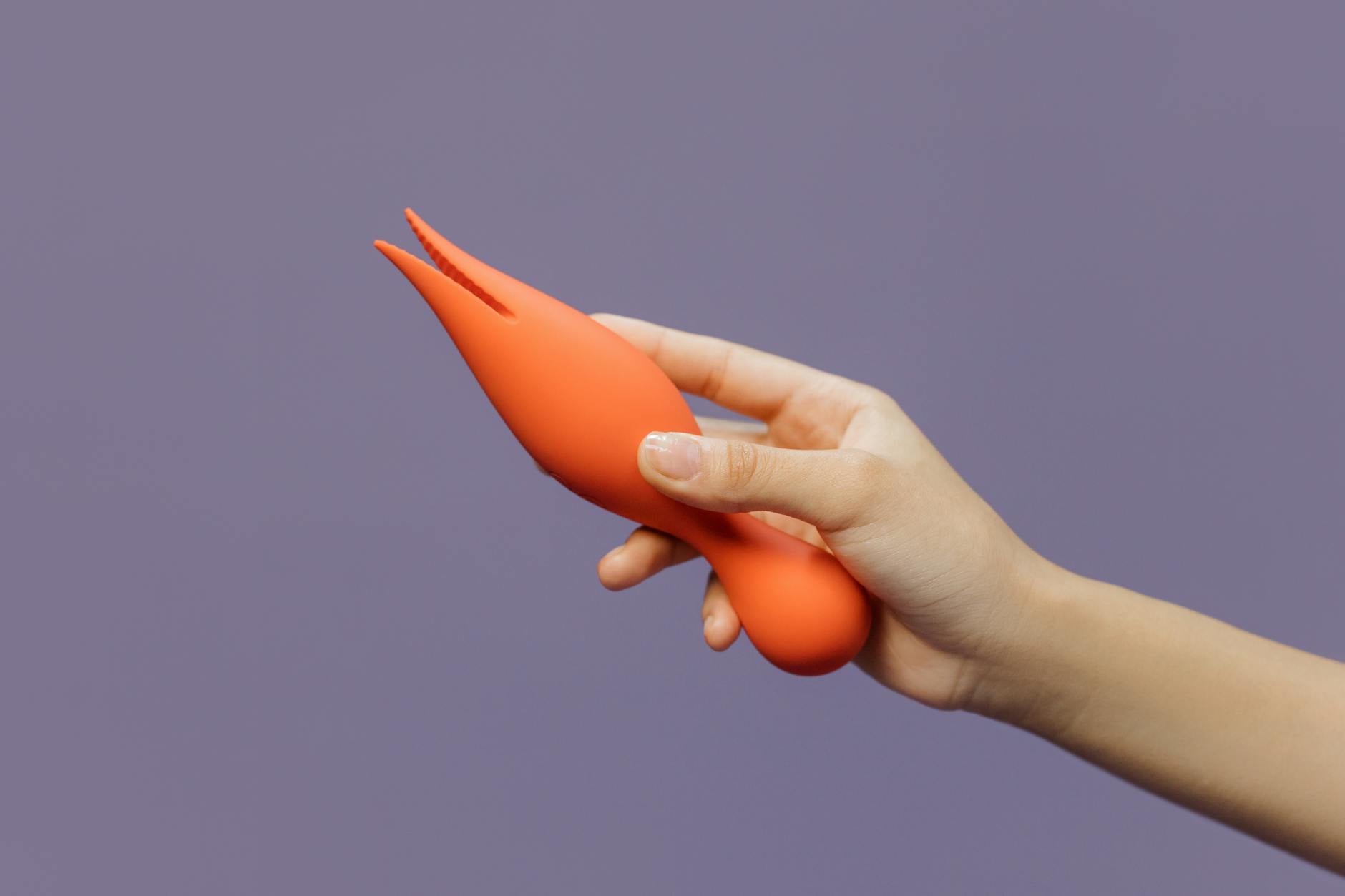
Photo by cottonbro studio on Pexels
When to get clinical support
If pain during arousal or sex is new or worsening, flag it with your doctor. Chronic pain conditions can shift. A flare-up might need medication adjustment. Pelvic floor dysfunction sometimes accompanies chronic pain and is highly treatable.
Also worth discussing: if you're on pain medication and your libido has tanked, that's sometimes solvable through dosing timing or medication switches. You don't have to accept that trade-off.
A physical therapist trained in pelvic health can teach you how to relax (not tighten) your pelvic floor, which becomes harder under chronic stress. That skill alone can change the experience of using a lemon vibrator because you're not fighting your own muscles.
Reframing what pleasure looks like now
Chronic pain forces a reckoning with what you actually want versus what you thought you were supposed to want. Spontaneous, passionate, zero-friction sex is the cultural ideal. It's also not realistic for everyone, pain or not.
What you might discover instead: pleasure that's intentional, that you had to fight for, that required you to know your own body and ask for what actually works. That's not a consolation prize. That's often better.
A lemon vibrator becomes part of that reframing. It's not a substitute for sex you've lost. It's a tool designed for precision and control, which your pain-managing body might actually prefer.
People also ask
Can I use a lemon vibrator if I have pelvic pain conditions?
Yes, but with important modifications. Keep the Lem external-only unless your doctor says otherwise. Start with the lowest intensity pattern. Many people with conditions like endometriosis or vulvodynia find that the suction-based design of lemon clitoral vibrators feels less triggering than traditional vibrators because it doesn't rely on repetitive friction. Listen to your body and stop immediately if sensation shifts from pleasure to pain.
Does chronic pain medication affect how vibrators feel?
Yes. Some pain medications suppress sensation or arousal, which can make any vibrator feel less effective. Some medications cause numbness or tingling, which can make touch feel confused. This is worth discussing with your prescriber, not because you should stop taking pain medication, but so you understand what you're working with. Sometimes adjusting timing helps. Sometimes you just need to reset expectations about intensity.
How long should I use a lemon vibrator if I have chronic pain?
Start with five to ten minutes on low intensity. If that feels good, you can extend to 15-20 minutes. The goal isn't duration. The goal is pleasure without triggering pain. Shorter sessions that feel genuinely good are better than longer sessions where you're white-knuckling through discomfort.
Is it normal for arousal to be harder with chronic pain?
Completely normal. Chronic pain keeps your nervous system in a threat state, which is literally the opposite of the relaxed state that pleasure needs. It's not psychological failure. It's neurology. Building in more time for warm-up, temperature regulation, and breathing can help shift your nervous system into the right mode.
What if my partner doesn't understand why pain changes what I want?
That's a conversation worth having explicitly. Something like: "Pain changes how my body responds. I might need more warm-up, or I might only want external touch today, or I might need solo time instead. This isn't about wanting you less. It's about my nervous system needing different conditions right now." If your partner continues to push for the old dynamic despite you explaining your needs, that's a relationship issue worth exploring with a therapist or counselor.
Can pleasure actually help manage chronic pain flares?
Sometimes, in the short term. Orgasm releases endorphins and can interrupt pain signals for a brief window. But this only works if you approach it without pressure or expectation. Use a lemon vibrator gently, with zero agenda, and see what happens. If your body says no, that's the right answer. Forcing pleasure through a flare can actually worsen pain afterward.
The bottom line
Chronic pain changes pleasure. It doesn't end it. A lemon vibrator, with its gentle suction-based design and precise intensity control, can be exactly the right tool for a pain-managing body if you approach it with realistic expectations and genuine self-listening.
Your pleasure matters. And it's allowed to look different now. If you want to talk through how to integrate pleasure back into your life with chronic pain, we're here. Reach out at /contact to connect with resources that might help.