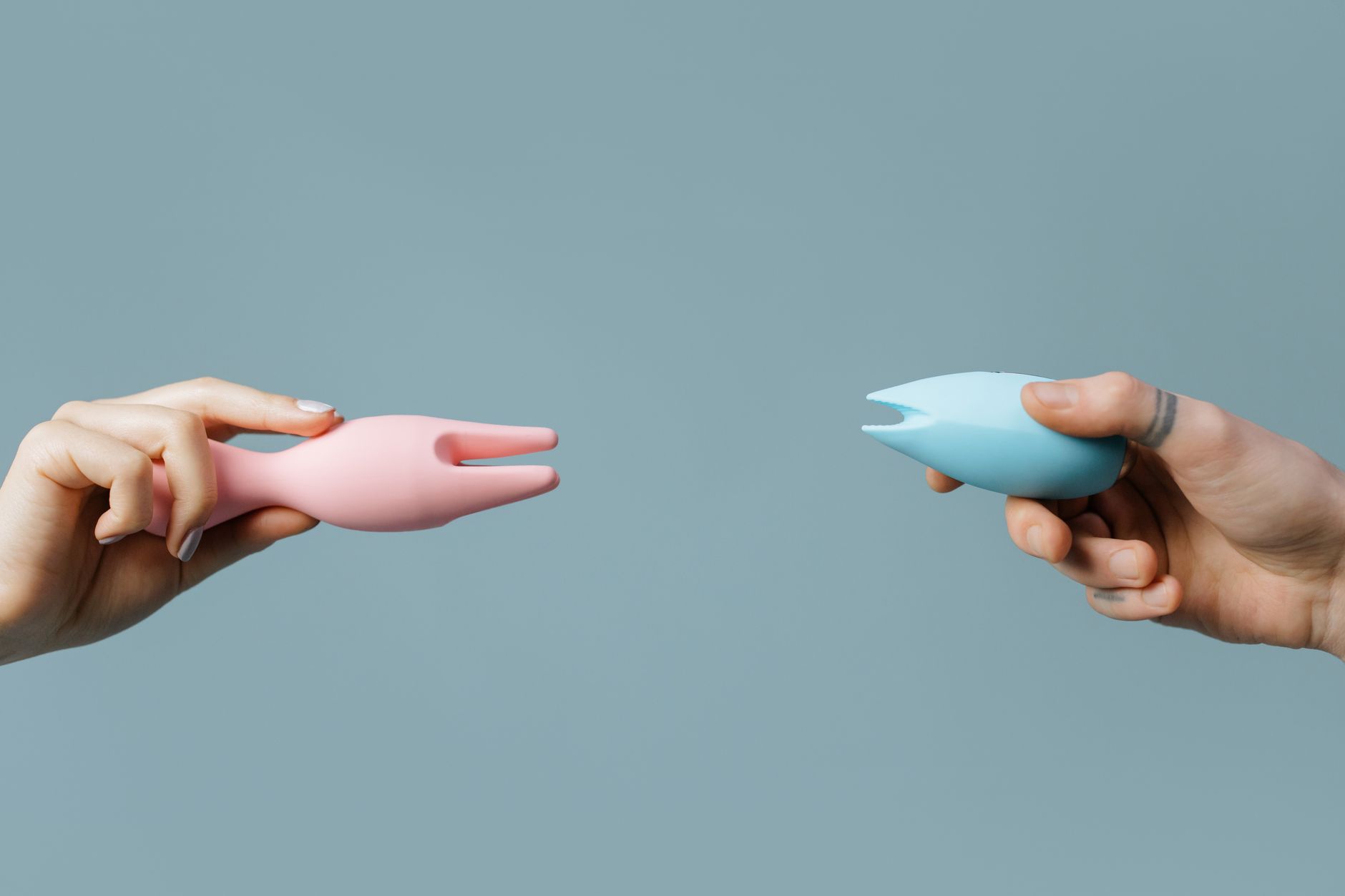
How Lemon Vibrators Feel Different When Reconnecting With Your Body After Depression
Let's start with what depression actually does to pleasure
Depression doesn't just make you sad. It anesthetizes you. Your nervous system gets stuck in a pattern that treats pleasure signals the same way it treats threats. Dopamine production flatlines. Touch feels muffled, distant, like you're experiencing it through glass. Even if someone you love is touching you, you might feel nothing. That's not a character flaw. That's neurobiology.
When you're emerging from depression and reconnecting with your body, pleasure comes back in stages. It's not a switch. It's a dimmer that gradually turns up, and lemon vibrators can actually accelerate that process by giving your nervous system clear, consistent sensory input.
Why your nervous system responds differently to suction
Here's the thing about depression and sensation: your brain gets desensitized to stimulation. Vibration alone can feel underwhelming at first because your nervous system has been operating at low volume for months. A traditional vibrator might feel like background noise.
Lemon clitoral vibrators use a different mechanism. They're suction based, which creates a different kind of stimulation. Instead of rapid vibration across the surface, suction pulls tissue and creates a build-up of sensation that doesn't require your nervous system to be hypersensitive to register. Many people recovering from depression report that suction feels more "present" than vibration alone, because it creates a literal pull instead of just buzz.
That pull feels grounding. It's tactile in a way that gives your brain something concrete to process. When you're numb, that tangible sensation is often easier to work with than subtlety.
The timeline of sensation coming back
Weeks 1-3: Sensation might still feel distant. This is normal. Your nervous system is recalibrating. You might use your lemon vibrator for 5-10 minutes and feel something register, but not necessarily pleasure. That's a win. You're creating new neural pathways.
Weeks 3-8: The sensations start to feel more present. You might notice that certain patterns or intensities land differently. Pay attention to what feels good. Your nervous system is learning to differentiate between neutral and enjoyable.
Weeks 8+: Arousal rebuilds gradually. Desire might not return in full intensity right away, but you'll notice it creeping back in smaller ways. A thought during the day. A physical response to touch. These are signs that your reward system is coming online again.
This timeline isn't universal. Some people move faster. Some move slower. The key is not to force it or judge yourself if you're still in the muted phase at week 6. Depression doesn't have a deadline, and neither does recovery.
What changes about your body's physical response
When you're depressed, your pelvic floor often holds tension as a secondary response. Your nervous system keeps that area braced, as if protecting itself. This makes orgasm harder to reach because the muscles that need to relax to let pleasure build are literally locked.
As your nervous system recovers, that holding pattern gradually releases. You might notice that it takes longer to warm up, which is fine. Give yourself 15-25 minutes instead of expecting instant response. That's not broken. That's what happens when your nervous system has been offline.
With lemon vibrators, many people report that the suction works well during this phase of recovery because it doesn't require as much baseline arousal to feel effective. You don't need to be already wet and ready. The suction can help create that arousal.
Use water-based lubricant anyway. Tissue sensitivity changes during depression, and adding lubrication removes friction that might read as irritating rather than pleasurable to your recovering nervous system.
The mental piece matters as much as the physical
Here's where most guides fall short. You can have all the right sensations returning, and still not feel pleasure if your mind isn't in the game. Depression doesn't just numb your body. It mutes your ability to anticipate pleasure, to want things, to feel like you deserve them.
When you're using a lemon vibrator while reconnecting, set an intention that's not about achieving an orgasm. Try: "I'm here to notice what I feel. That's enough." The goal is data gathering, not performance.
Many people recovering from depression have internalized shame about the months or years they weren't interested in sex. You might feel broken, or like you've wasted time. That's depression talking, not reality. Your nervous system is doing exactly what it's supposed to do when it's overwhelmed. Recovery means being gentle with yourself during reconnection.
If you're using a lemon vibrator with a partner, communication matters wildly. Let them know: "I'm rebuilding sensation. This might take time. I'm not damaged. My body is learning again." That conversation separates the physical process from the relationship story, which prevents both from getting tangled up.
When to pause and when to push gently forward
If sensation feels completely absent after 6-8 weeks of gentle exploration, that's a signal to check in with your doctor. Depression can interact with medications, hormones, and other neurological factors that might need adjustment.
If you're starting to feel something but it's frustrating that it's taking so long, remind yourself that this is actually your nervous system doing the hard work of rebuilding. Impatience is normal. Acting on it by forcing things isn't helpful.
Most important: if pleasure starts returning and then suddenly vanishes again, that might signal depression creeping back up. That's worth flagging with your therapist or doctor. Pleasure returning and disappearing isn't a personal failure. It's information.
The role of lemon vibrators specifically
Why a lemon clitoral vibrator instead of other options? Because the suction mechanism creates consistent, predictable sensation that doesn't require your nervous system to be firing on all cylinders. You're not chasing subtle vibrations. The suction is present and tangible.
Start on the lowest setting. Most people recovering from depression underestimate how much sensation they can access on pattern 1 or 2. Work up slowly. Your nervous system will tell you when it's ready for more intensity.
There's also something about using a dedicated tool for pleasure that signals to your mind and body: "I'm prioritizing feeling good." That's not trivial. When you're coming out of depression, reclaiming pleasure isn't self-indulgence. It's part of healing.
What reconnection actually feels like
You might not have an orgasm the first time. Or the tenth time. That's okay. Real reconnection often starts smaller. A moment of warmth in your body. A second where you notice something beyond the numbness. A thought about touch that doesn't immediately feel wrong.
These moments are progress. Your nervous system is coming back online. Pleasure is building in the background, even if you can't feel the full arc yet.
Most people I work with who've recovered from depression describe the return of pleasure as gradual relief. Not fireworks. Just a slow, steady coming back into your body. And often that's actually more powerful than the intensity of orgasm alone, because it means you're present again.
Frequently Asked Questions
How long does it usually take for sensation to come back after depression?
There's no universal timeline. For some people, sensation starts returning within 2-3 weeks of starting treatment or as depression lifts. For others, it takes 2-3 months. The nervous system is individual. Medication changes, therapy progress, sleep, and stress all affect the speed. The worst thing you can do is set a deadline for yourself. Your nervous system has its own schedule.
Can I use a lemon vibrator if I'm still on antidepressants that affect sexual function?
Absolutely. In fact, many SSRIs make sensation muted, so using a tool that creates clear, consistent stimulation like a lemon clitoral vibrator can actually help you access sensation even while you're on medication. If medication is significantly impacting your ability to feel anything after several weeks, that's a conversation to have with your prescriber. Sometimes dosage or timing adjustments help. Sometimes switching medications does. But don't stop exploring pleasure because a medication is making it harder.
What if I feel nothing even with a lemon vibrator?
That's information, not failure. It might mean your nervous system still needs more time. It might mean the medication you're on is significantly dampening sensation. It might mean depression is still active and you need to adjust your treatment approach. None of these are personal failures. If you've been using a lemon vibrator consistently for 6-8 weeks and feel nothing, that's worth bringing up with your therapist or doctor.
Should I tell my partner I'm trying to reconnect with pleasure using a lemon vibrator?
That depends on your relationship. If you're in a partnered relationship and planning to use a vibrator during partnered sex, honesty is important. If you're exploring solo, you don't owe anyone an explanation. But if you find yourself avoiding your partner's touch or feeling disconnected, that's separate from the vibrator decision. That's a relationship conversation, not a pleasure conversation.
Is it normal to feel emotional when sensation starts coming back?
Completely normal. Reconnecting with pleasure after depression sometimes brings grief, relief, anger, or sadness. Your body held a lot during that numb period. When sensation returns, sometimes emotions attached to that numbness come back too. That's your nervous system processing, not a sign that something's wrong. Let the feelings move through. They're part of recovery.
Can a lemon vibrator help if I'm still actively depressed?
A vibrator is a tool for pleasure, not a treatment for depression. If you're in active depression, the goal isn't to achieve an orgasm. The goal is gentler: to practice being present in your body for a few minutes. To gather data about sensation. If pleasure is completely absent, that's actually a signal that you might need to adjust your treatment approach with your provider. Don't use a vibrator as a replacement for therapy or medication. Use it as part of your toolkit once you're starting to feel a little more grounded.
Coming back to your body is the work
Reconnecting with pleasure after depression isn't about achieving a specific sensation or outcome. It's about trusting your body again. Believing it's worth paying attention to. Deciding that feeling good matters.
A lemon vibrator can be part of that process because it gives you clear, tangible sensation that your recovering nervous system can work with. But the real work is showing up for yourself, again and again, even when feeling nothing for weeks, trusting that your body knows how to come back online.
It does. It will. Your pleasure matters, and you deserve to feel it again.
If you're working through reconnection and feel stuck, reach out. Sometimes talking through what's happening with someone trained in this work helps clarify whether it's just a timeline issue or something that needs a different approach.
Sources
American Psychiatric Association. (2023). "Diagnostic and Statistical Manual of Mental Disorders" (5th ed., text revision). Depression and anhedonia: neurobiological mechanisms.
Meston, C. M., & Frohlich, P. F. (2000). "The neurobiology of sexual function." Archives of General Psychiatry, 57(11), 1012-1030.
Parsons, J. T., et al. (2012). "Sexual well-being and sexual function in adults with major depressive disorder." Archives of Sexual Behavior, 41(1), 189-200.
Stimson, R. B., et al. (2014). "Antidepressant-induced sexual dysfunction." Journal of Clinical Psychiatry, 64(3), 22-29.