Let's talk about pain that shouldn't exist
Vulvodynia is chronic pain in the vulva with no obvious cause. No infection, no dermatological condition, no structural problem. Just pain. And if you're living with it, you know how isolating that is because most of what you'll read assumes pain comes from somewhere identifiable.
Here's what's actually happening: your nervous system is stuck in a threat loop. The tissue is fine. Your brain isn't convinced. So it sends pain signals anyway.
Why traditional vibrators feel worse
Most clitoral vibrators use direct vibration or oscillation. They press against tissue and shake. When you have vulvodynia, that direct pressure can trigger the same pain-signaling pathway that makes the condition difficult in the first place. The vibration itself isn't inherently harmful, but the sensation of pressure against sensitive tissue can feel intolerable.
Wand vibrators are worse because they're heavier and require more contact pressure. They're designed to deliver power through sustained surface area contact. For someone in vulvodynia recovery, that's precisely what you don't want.
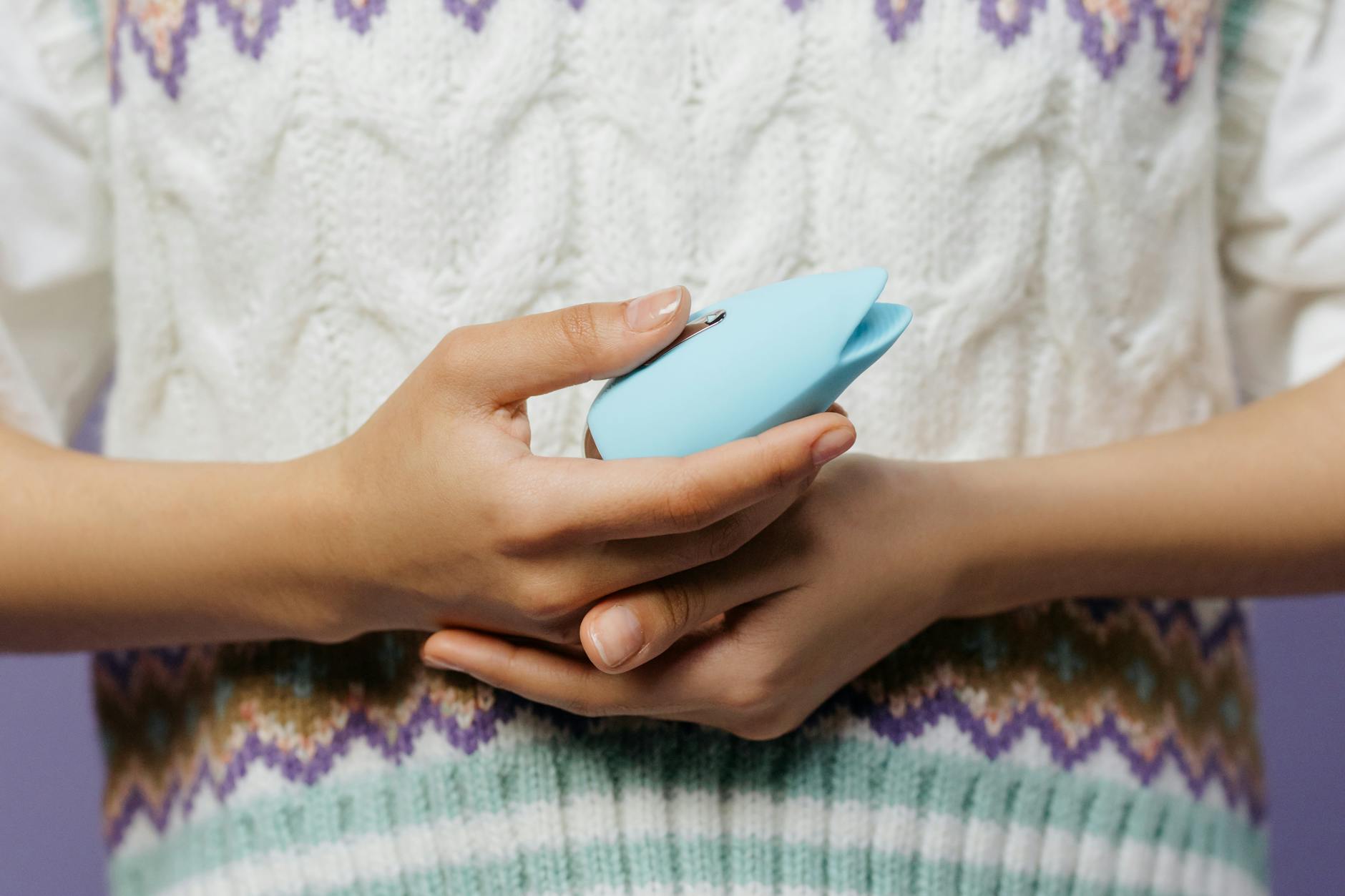
Lemon clitoral vibrators work differently. They use gentle suction and pulse rather than direct vibration. The Lem, for instance, creates a seal around the clitoris and then applies rhythmic suction. There's no sustained pressure against the tissue itself. Instead, you feel a gentle vacuum effect that stimulates nerve endings without the mechanical friction that triggers pain responses.
Why suction feels safer during recovery
Three physiological reasons suction-based stimulation is often better tolerated:
1. No direct tissue compression. With a lemon vibrator, the clitoral tissue isn't being pressed. It's being gently lifted and released. That's a fundamentally different sensation from vibration, and for vulvodynia sufferers, it's often tolerable when vibration isn't.
2. Distributed stimulation. Traditional vibrators concentrate their force at one point. The Lem distributes stimulation across a wider area through the seal, which spreads the intensity and makes it feel gentler overall.
3. Nervous system reset. Suction creates a novel sensation that doesn't match the threat pattern your nervous system has learned. Your brain isn't expecting suction in the same way it's tensed against vibration. That novelty can, paradoxically, help reset the pain loop.
I've worked with clients who couldn't tolerate any form of vibration but found lemon adult toys completely manageable once they understood the mechanism.
Starting slow when you're in recovery
Just because lemon vibrators feel gentler doesn't mean you skip the warm-up.
Start with pattern 1 or 2. The lowest settings on a lemon clitoral vibrator are remarkably subtle. You're not trying to chase orgasm in the first few sessions. You're teaching your nervous system that touch can feel good without triggering pain.
Budget 10 to 20 minutes. Most of that time should be exploration, not pursuit. Let your body decide if the sensation feels safe. If it does, you might gradually increase intensity. If it doesn't, that's important information too.
Use water-based lubricant every single time. Not because you're broken, but because lubrication reduces friction and makes the suction feel smoother. It's one of the easiest ways to lower pain risk.
Stop immediately if you feel sharp pain. Dull pressure or mild discomfort might be part of the nervous system learning process. Sharp, shooting pain is not. The goal here is to prove to your brain that pleasure is possible, not to push through pain.
The psychological piece matters as much as the physical
Vulvodynia carries massive psychological weight. You've probably been told "it's all in your head" by someone who meant it as reassurance but landed as dismissal. Your body has learned to expect pain. Pleasure feels risky.
When you use a lemon vibrator during recovery, you're doing two things at once: you're giving your nervous system a gentler stimulus, and you're actively choosing pleasure. That choice is part of the healing. You're saying, "I believe my body can feel good." Your nervous system starts to believe it too.
Work with a pelvic floor physical therapist if you can. They can assess whether tension or weakness is contributing to your pain, and teach you how to relax (not just strengthen) your pelvic floor. Lemon sexual toys work best alongside professional support, not instead of it.
When to reach out for help
If pain hasn't improved after three to four weeks of gentle exploration with a lemon vibrator, talk to your doctor. Vulvodynia treatment often involves a combination of approaches: topical treatments, systemic medication, nerve blocks, pelvic floor therapy, and yes, safe sexual exploration.
If you're experiencing depression or anxiety alongside the pain, that's not a sign of weakness. It's a normal response to chronic pain. A therapist who understands both relationship dynamics and chronic pain can be transformative.
Some people find that switching between different lemon sexual toys helps. The variation itself can be calming and can prevent your nervous system from habituating to one specific stimulus.
The long view
Vulvodynia recovery isn't linear. You'll have days when touch feels manageable and days when it doesn't. Both are normal. A lemon clitoral vibrator is a tool, not a cure. But for many people, it's the tool that finally makes pleasure feel possible again.
Your body deserves to feel good. It deserves pleasure without pain. That's not naive optimism. That's the whole point.
Frequently asked questions
Can you use a lemon vibrator if you have vulvodynia?
Yes, but with care. Lemon vibrators use suction rather than direct vibration, which makes them gentler than traditional clitoral vibrators for most people with vulvodynia. However, every nervous system is different. Start on the lowest setting, use lubricant, and stop immediately if you feel sharp pain. If you're unsure whether it's safe for your specific condition, check with your pelvic floor physical therapist first.
Does suction feel painful if you have vulvodynia?
Not typically. Suction distributes stimulation more evenly than vibration and doesn't create the concentrated pressure that often triggers vulvodynia pain. Many people find suction feels safer and less triggering than any form of vibration. That said, individual responses vary widely. A trial on the lowest setting is the only way to know how your nervous system will respond.
How long should you use a lemon vibrator when recovering from vulvodynia?
Start with 10 to 20 minutes of exploration, focused more on sensation than outcome. As your nervous system becomes more comfortable, you can gradually increase time if you want to. There's no fixed duration that works for everyone. Listen to your body, not a timer.
Is it safe to have a partner involved when using a lemon vibrator during recovery?
Yes, if communication is clear. Some people find having a supportive partner present reduces anxiety. Others prefer solo exploration to eliminate performance pressure. Talk beforehand about what you're comfortable with. If your partner pushes for intensity or becomes frustrated with your pace, that's a sign you need to pause and discuss expectations outside the bedroom.
Will using a lemon vibrator cure vulvodynia?
No. Vulvodynia is a chronic pain condition that usually requires multimodal treatment: pelvic floor therapy, medication, topical treatments, and sometimes psychological support. A lemon vibrator can be part of your recovery toolbox because it allows for gentle pleasure without triggering pain. That's valuable, but it's not a replacement for professional care.
What if a lemon vibrator feels too intense even on the lowest setting?
Take a break. Your nervous system isn't ready yet, and that's okay. Focus instead on non-sexual touch: gentle self-massage, warm baths, or professional massage. Explore the lemon vibrator again in a few weeks. Healing isn't linear. Sometimes your body needs time before any stimulation feels manageable.
The bottom line
Vulvodynia is real, and recovery is possible. A lemon clitoral vibrator won't solve it alone. But if you're in recovery and looking for a way to reclaim pleasure safely, suction-based stimulation offers a gentler path than traditional vibrators. Start low, be patient, and remember that your body's capacity to feel good is worth the time it takes to rebuild it.