The real conversation nobody's having
SSRIs save lives. They've pulled millions of people out of darkness. And then they make orgasm feel like trying to unlock a door with the wrong key. You're turning it. You're trying everything. Nothing's working. This isn't laziness or broken desire. This is neurochemistry.
Here's what's happening in your body, why lemon vibrators feel fundamentally different when you're on SSRIs, and why that difference actually matters.
How SSRIs change sexual response
SSRIs work by keeping serotonin in circulation longer in your brain. That's the part that lifts mood, steadies anxiety, pulls you out of the spiral. But serotonin also regulates the final stage of the sexual response cycle. The part where orgasm is supposed to happen.
Specifically, SSRIs can:
- Delay orgasm (sometimes by minutes, sometimes indefinitely)
- Reduce arousal intensity (the climb feels flatter)
- Numb physical sensation (touch registers, but less electric)
- Lower desire (the wanting phase shrinks)
For about 40 to 60 percent of people on SSRIs, one or more of these shows up in the first few weeks. For some, it softens after three to six months as the body adjusts. For others, it's the price of staying stable, and that price stays fixed.
The neural pathways are still there. You haven't lost capacity. You've lost speed and intensity.
Why lemon clitoral vibrators respond differently to SSRI-altered arousal
A traditional vibrator relies on intensity and rapid stimulation to trigger orgasm. When you're on SSRIs, rapid stimulation can feel aggressive or overstimulating without delivering the payoff. You're working hard for diminishing returns.
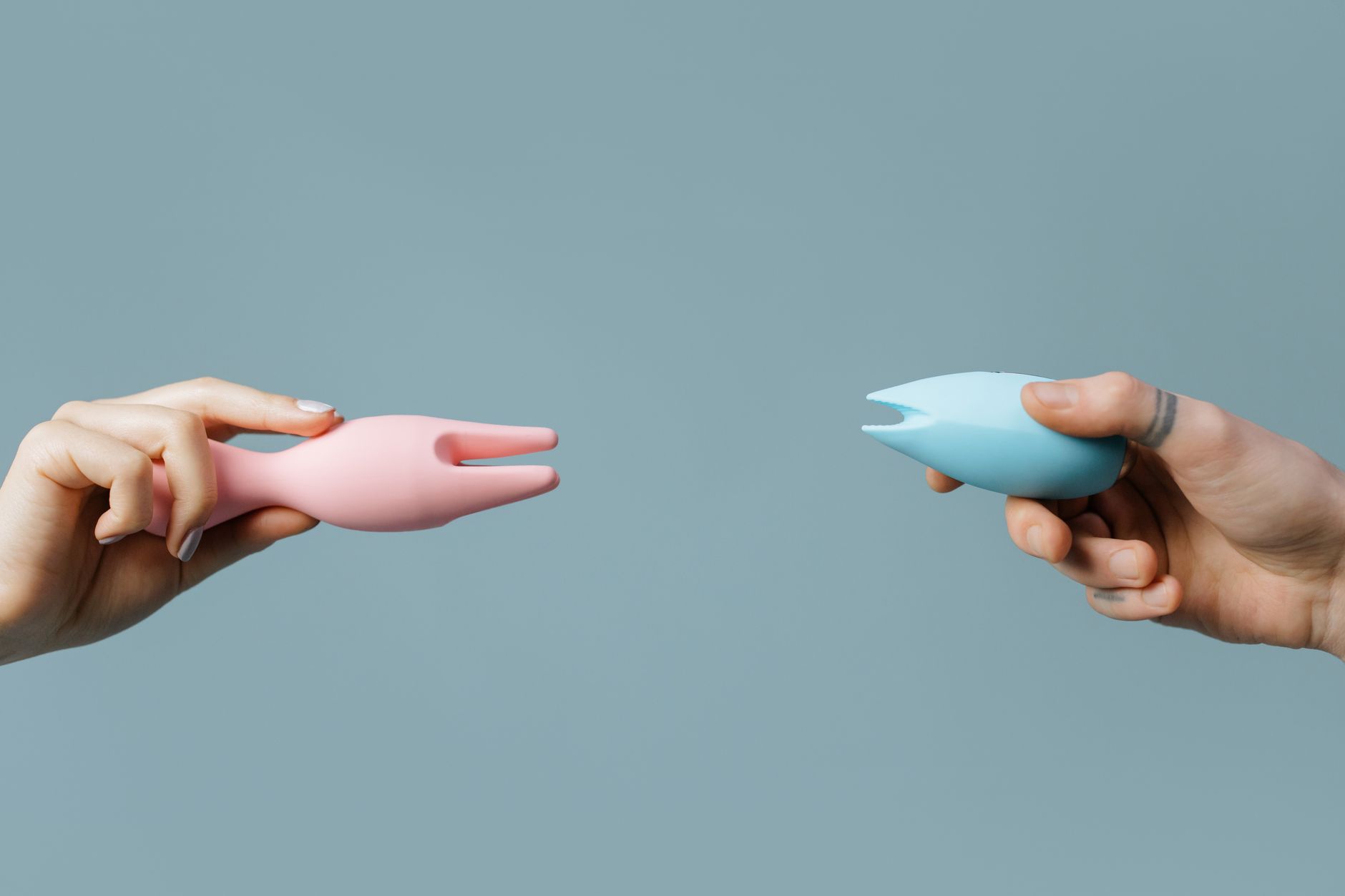
Lemon vibrators, especially the suction-based design of The Lem, work differently. Instead of rapid buzzing, they use rhythmic pressure and release cycles. Here's why that matters on SSRIs:
1. Suction builds sensation gradually. You're not asking your nervous system for an instant spike. You're asking it to layer sensation over time. That works better when your body's arousal ramp is slower anyway.
2. The pattern variety helps you find new pathways. When one sensation pathway is dampened, having eight different patterns means you can explore what your body's still responsive to. Often it's the slower, deeper pulses, not the fastest ones.
3. Reduced numb sensation feels less like nothing. Suction engages deeper nerve endings. It's a different type of stimulation, so the SSRI-dampened feeling registers as "different" rather than "nothing."
Many people on SSRIs report that they've never had consistent orgasms until they tried a lemon clitoral vibrator. That's not luck. That's design meeting neurochemistry.
What conversations to have with your doctor
First: tell them. I know it's awkward. They've heard it a thousand times. If they haven't, they're not paying attention.
You have options:
- Dose timing. Some doctors suggest taking your SSRI at night, timing sex for morning. The concentration is slightly lower by then. This works for some people, not others.
- Medication switch. Some SSRIs (sertraline, for instance) have slightly less sexual side effects than others. But "less" is relative. Switching is trial-and-error and takes weeks.
- Augmentation. A small dose of bupropion (Wellbutrin) added to your SSRI can counteract sexual side effects. This works for roughly 60 percent of people. It's worth asking about.
- Acceptance and adaptation. Sometimes the right call is acknowledging that your baseline has shifted and finding tools that work within it. That's where a lem vibrator often becomes non-negotiable.
The worst conversation is silence. Silence means you're blaming yourself for something that's pharmaceutical.
The pattern that works best for SSRI bodies
If you're new to The Lem and on SSRIs, start here:
Patterns 1 through 3. These are slower, more deliberate. They build sensation without overwhelming it. Spend 10 to 15 minutes here, no rush. Your body's learning a new rhythm.
Timing matters more than intensity. Allocate 20 to 30 minutes for arousal and exploration. SSRIs slow your ramp. That's not bad, just different. Budget for it.
Layer in mental focus. When physical sensation is dampened, attention becomes your tool. Focusing on specific sensations, your breath, or fantasy can bridge the gap that SSRIs created. This isn't bypassing the drug. It's working with your nervous system's current capacity.
Lube is non-negotiable. SSRIs can reduce natural lubrication. Water-based lube isn't a failure. It's a tool that compensates for a real physiological change.
The emotional piece nobody talks about
Being on SSRIs and losing easy access to orgasm can feel like grief. You're not depressed anymore, which is real progress. But you've lost something you took for granted. That's worth acknowledging, not minimizing.
If you have a partner, the conversation gets more textured. "My medication is making this harder" is true and also not their fault and also not yours. Most partners' first instinct is to try harder or assume they're doing something wrong. They're usually not. The drug is.
Using a lem vibrator changes the dynamic because it becomes neutral. It's not about your partner trying harder or you being broken. It's about a different approach that works with your current body. Some couples find that more freeing than before.
If you're solo, there's often a different relief. You're not managing anyone else's feelings about your arousal. You're just finding what works for your body right now. That clarity is worth something.
When to escalate concerns
Complete inability to orgasm after six months on a stable SSRI dose isn't something to accept. It's worth bringing back to your doctor with specifics. "I'm on 50 mg sertraline and I haven't had an orgasm in four months" is actionable. "It's not working" is vague.
Similarly, if desired lowered so dramatically that you're not interested in any kind of stimulation, including with a partner you normally want, that's worth flagging. Low desire can be the SSRI. It can also be depression breaking through, or relationship stuff, or all three at once. Your doctor needs the full picture.
What gets better, what stays, what improves
About 30 percent of people see sexual function improve as their body adjusts to SSRIs (usually by month four or six). Another 40 percent find stable workarounds, like using a lem vibrator regularly. The rest either switch medications or decide the tradeoff is acceptable because staying mentally stable matters more.
All of those are valid. What matters is deciding actively, not just assuming you're stuck.
Many people on SSRIs discover that their best sexual experiences happen after they stop treating the SSRI side effects as a failure and start treating them as a constraint they can work with. The Lem works differently with your body now. That's an advantage, not a loss.
People also ask
Will stopping SSRIs fix my orgasm problem?
Possibly, but stopping antidepressants because of sexual side effects is rarely straightforward. Withdrawal can be difficult, and depression often returns. If sexual function is severely affecting your quality of life, that's a conversation for your doctor and a therapist together, not a solo decision. There are usually other options to try first (dose adjustment, medication switch, augmentation) before stopping entirely.
Can I take my SSRI at a different time of day to help?
Sometimes. Some people take their dose at night to minimize impact during daytime intimacy. Others find splitting the dose helps. But this varies wildly by individual and by which SSRI you're on. Never change your dosing schedule without checking with your doctor first. A small timing shift can affect your mood stability, and that's not worth the experiment.
Is a lemon vibrator better than other vibrators for SSRI bodies?
It's not that one type is universally better. Lemon clitoral vibrators using suction-based stimulation work well for many people on SSRIs because the rhythm and pressure pattern can overcome some of the dampening effect without relying on intense buzzing speed. But your body is specific. Some people on SSRIs respond best to different patterns. The key is having options and permission to explore what your body actually needs right now.
Will my sexual function return if I switch SSRIs?
Maybe. Some people find that switching to a different SSRI (or to a different class of antidepressant altogether) reduces sexual side effects. But each medication takes weeks to assess, and switching means adjusting your mood stability while you're testing it. If sexual side effects are significant, definitely ask your doctor about this option. Just know it's not usually a quick fix.
Should I talk to my partner about SSRI side effects?
Yes. If you have a partner and you're experiencing sexual changes, they're going to notice anyway. Being clear upfront ("My medication is affecting my arousal, here's what that looks like, here's how we can adapt") prevents them from internalizing it as rejection or their fault. Bonus: most partners find that transparent conversation actually brings you closer, even though the sexual logistics shift.
Can I use The Lem if I'm on other medications too?
Generally yes, but check your full medication list with your doctor. Most psychiatric medications don't contraindicate vibrator use. The bigger consideration is whether multiple medications are layering sexual side effects. If you're on an SSRI plus birth control plus another medication that affects arousal, that's worth mentioning to your prescriber. Sometimes adjusting one medication helps more than adding supplements or tools.
What actually changes when you stop fighting it
One of the most common things I hear from people using The Lem while on SSRIs is relief. Not from the side effects disappearing, but from permission. Permission to stop expecting your body to work the way it used to. Permission to use a tool designed for how your body works now.
That shift from "I'm broken" to "my body has changed and I'm adapting" is where pleasure actually becomes possible again. The lemon clitoral vibrator is part of that, but mostly it's the decision to work with your body instead of against it.
Your SSRI is keeping you stable. That matters more than easy orgasms. But you don't have to choose between mental health and pleasure. You just have to be willing to find a different path to both.
If you want to talk through what might work for your specific situation, we're here. That's what we're here for.