New relationship, old armor
You're with someone new. They're good. You want to be fully present. But somewhere between the first kiss and the bedroom, your nervous system throws up a wall. Vulnerability feels risky, even when logically you know this person is safe. Your body stays guarded. Pleasure becomes conditional on feeling secure, and security feels like a luxury you can't quite afford right now.
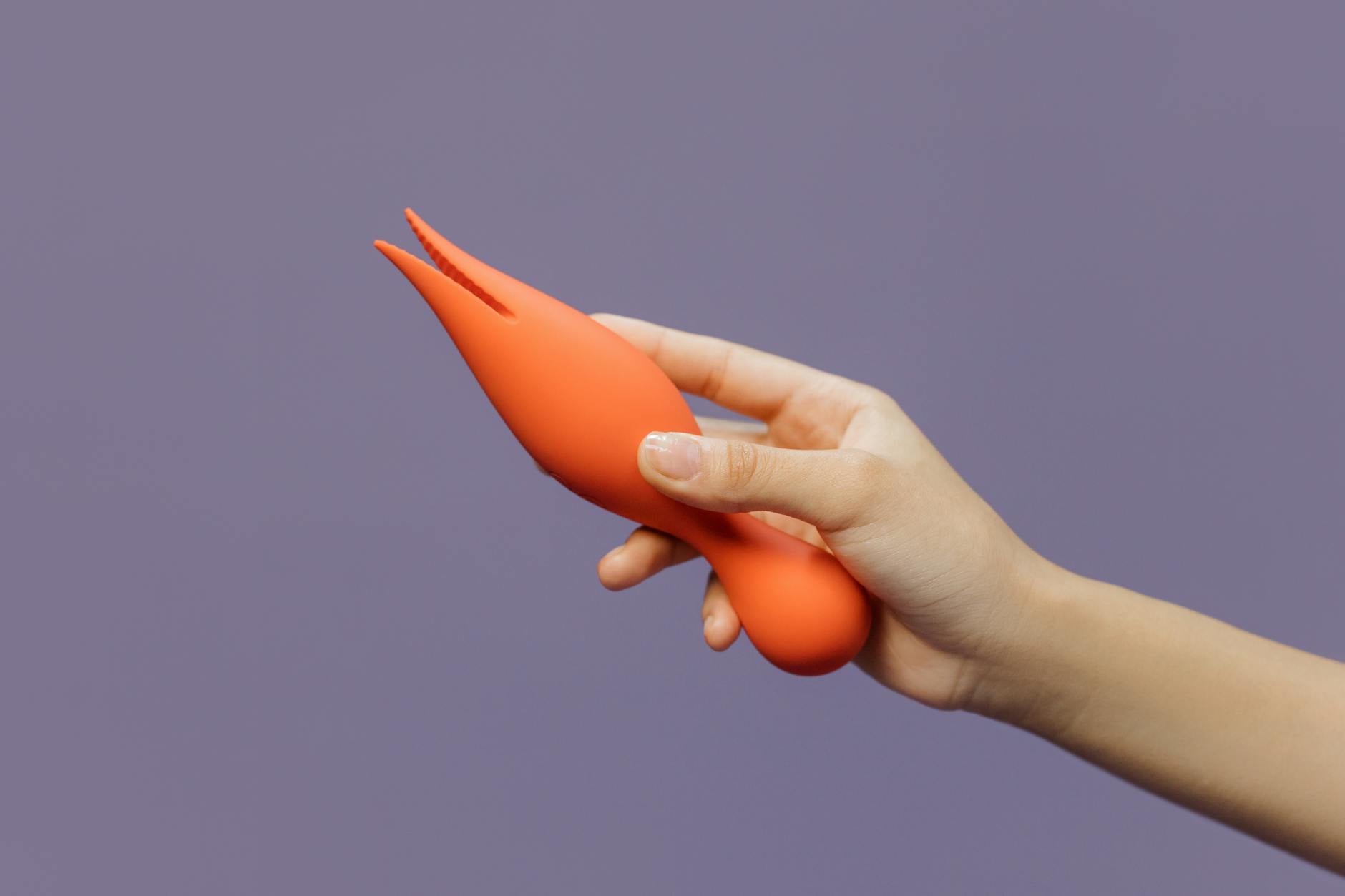
This is the thing about starting over. Healing from past relationships doesn't mean you show up whole. It means you show up aware that the walls exist. A lemon clitoral vibrator, like the Lem, won't solve trust issues. But it can rebuild the bridge between you and your own body.here's how.
Why new relationships trigger old defenses
When you've been hurt before, your nervous system learns to protect you by dimming arousal. This isn't weakness. It's strategy. Arousal requires vulnerability. You have to soften. You have to want. Your body learned that wanting from someone who didn't reciprocate hurt, so it makes you need reassurance before it lets you feel pleasure.
Now you're in a new dynamic. Your rational brain knows this partner is different. Your vagus nerve isn't convinced. Arousal takes longer to build. Orgasm feels further away, even during touch that would have worked before. You might feel frustrated with yourself. You might blame your body or your partner. What's actually happening is that pleasure and safety are still negotiating terms.
The best way to speed up that negotiation is not to try harder with your partner. It's to deliberately practice pleasure alone, on your own terms, where the only person you need to trust is yourself.
Why solo exploration works better than you think
When you're with a partner, there's an invisible third party in the room: performance anxiety. Am I taking too long? Do they know what they're doing? Should I be more enthusiastic? These thoughts live in the same brain region as arousal. They compete for bandwidth. Solo time removes that competition. It's you and sensation. No commentary, no performance.
This is where many people reach for the same tools they've always used. But tools designed for direct contact and friction sometimes reinforce the same tense, rushing pattern that paired sex has created. You tense, you aim for climax, you finish. The nervous system doesn't actually relax.
Air-suction lemon vibrators work differently. The Lem uses gentle pulsing suction instead of direct vibration. The sensation is less sharp, more diffuse. It's harder to tense against. Your pelvic floor naturally relaxes. Because the stimulation is rhythmic rather than aggressive, you're less likely to grip and chase climax. You can actually feel what pleasure wants to move at.
The solo-first approach for new relationships
Here's what changes when you make solo time a non-negotiable part of your healing arc with a new partner.
You remember what solo pleasure feels like. If the last time you had good solo sex was before the relationship that hurt you, your nervous system has only the memory of partnered vulnerability to reference. Solo exploration creates new data. Your body learns that it's safe to feel good on your terms.
You decouple arousal from performance. The more you practice feeling pleasure without anyone watching, the less you need external validation to justify wanting. This sounds small. It's massive. When you show up with a partner after ten minutes of solo time with the Lem, something shifts. You're not waiting for them to make you feel good. You're already warm.
You model healthy vulnerability for your relationship. When you tell your partner you're taking solo time, you're saying your pleasure matters. You're saying you have needs that don't belong to them. This actually creates safety in the relationship. Paradoxically, taking something away (their job to arouse you) makes them feel more secure.
You get real data about arousal timing. Many people with past trauma or anxiety report that solo pleasure is faster than partnered pleasure. This is useful information. Instead of assuming something is wrong, you can talk to your partner specifically: "I need about 15 minutes of solo time first, then I'm way more present with you." You just turned a vulnerability into a practical agreement.
See the pattern? Each of these rewires the nervous system away from defensiveness and toward your own internal approval.
How to actually do this without overthinking it
Put a lemon clitoral vibrator like the Lem on your nightstand. Give yourself ten minutes when your nervous system is calm, not when you're already stressed. Start at the lowest pattern. Let sensation build without trying to get anywhere. The point isn't orgasm. The point is showing your body that pleasure is possible when you're the only variable.
When things don't work? Don't interpret that as failure. Some days your nervous system is just tired. That's data, not a problem. Use the lemon vibrator anyway. Feel what you feel. Your body will slowly trust that sensation doesn't require a big payoff. This is how safety gets relearned.
After a few weeks of consistent solo time, something usually shifts with your partner. You're more present. More direct. Less in your head. They feel it. They feel you actually want them, not that you're doing them a favor by showing up.
The conversation to have with your partner
If you haven't told them about solo time, this is the moment. Most partners of people with relational trauma actually feel relief when you name it. It takes the pressure off them to fix something that isn't theirs to fix. Here's a template.
"I'm realizing I need some solo time with myself. Not instead of time with you. Before time with you. It helps me feel more like myself. I wanted you to know so it doesn't feel weird." That's it. Most partners will say they appreciate you being honest.
If your partner reacts with jealousy or pressure, that's information too. Not necessarily a dealbreaker. But it tells you they might not be ready for the kind of mature partnership where your pleasure is non-negotiable. This is worth a longer conversation, or worth talking through with a therapist.
For most people in healthy relationships, this conversation opens a door. "What if we did that together sometimes?" "Can I learn what helps you?" These are the questions that follow when you've done the work of reconnecting solo.
When to bring toys into partnered time
Once you've got solo pleasure on steadier ground, your partner might ask about using the Lem together. This is different territory. You're not handing them the responsibility of your pleasure. You're showing them a tool that works for you and inviting them to participate. There's a difference.
The most common setup is for you to use the lemon vibrator on yourself while your partner does something else: kissing your neck, fingering you, paying attention to your whole body instead of just your genitals. This keeps your partner engaged without making their presence the central focus of your pleasure. You're both doing something. You're both present. It's collaborative instead of transactional.
If your partner wants to use the Lem on you, check your nervous system first. Is that exciting or does it feel risky? Either is valid. If it feels risky, keep it solo for now. There's no rush. The fact that you can articulate "I'm not ready" is itself a sign of healing.
The long game
New relationships after old wounds move slower when you honor what your body needs. This feels like a limitation. It's actually a feature. You're building trust in real time. You're not rushing past the nervous system's legitimate questions. The people who move slowest often end up with the strongest foundations.
Using a lemon vibrator, whether it's the Lem or another clitoral vibrator, during this phase isn't about replacing partnership. It's about reminding your body that pleasure is yours, that vulnerability to yourself is safe, and that you deserve to feel good regardless of what's happening in your relationship. Once your nervous system knows that, sharing pleasure with someone else becomes what it should be: a choice, not a desperate search for external permission to feel alive.
People also ask
Can I use a lemon clitoral vibrator if I'm in a new relationship?
Absolutely. Solo pleasure and partnered pleasure aren't competing. They're complementary. Using a lemon vibrator on your own time actually helps you show up more present and open with your partner. You're not asking them to fix something that's yours to heal. You're showing them a version of you that knows what they want.
How long should I wait before using a toy with a new partner?
There's no timeline. Some couples introduce toys in week two. Others wait months. The readiness isn't about time. It's about whether your nervous system feels safe enough to be vulnerable in a new way. If you're still building trust with your partner, solo exploration is smarter than jumping into shared toys. The lemon vibrator can be your private space while the relationship develops.
What if my partner feels threatened by my solo toy use?
This is worth addressing directly. Usually, the threat is about control or inadequacy. "I'm worried I'm not enough for you." The answer isn't to stop using the vibrator. The answer is to reassure them about what they mean to you, while holding firm that your pleasure is non-negotiable. If a partner consistently punishes you for taking care of your own body, that's a sign the relationship might not be safe.
Can lemon vibrators help with numbness from anxiety in new relationships?
Yes, often. Because the Lem uses suction instead of direct vibration, it bypasses some of the defensive tension that makes numbness worse. Your nervous system can relax into it instead of tensing against it. But if numbness is severe or persistent, it's worth talking to a therapist. Sometimes it's your body protecting you from moving too fast.
Should I tell my new partner about my past trauma before using toys?
Not necessarily before. Your past is yours. But at some point, if the relationship is going to last, naming that you're healing and what helps is important. You don't need to give them your full history. Just enough for them to understand why you might move slower, why solo time matters, and why patience serves you both.
How do I know if my partner is right for this vulnerable time?
One sign: they can hear "I need space to heal" without making it about them. Another sign: they're willing to move at your pace without pressure. A third sign: they ask you what you need instead of assuming they know. If your partner checks even two of these boxes, they're probably worth the risk of opening up.
Resources and further reading
If you're navigating a new relationship after relational trauma, therapy can be genuinely transformative. A Gottman Method specialist or trauma-informed therapist can help you understand your nervous system's defensive patterns and practice trust in real time. Check your insurance for covered providers or reach out to the American Association for Marriage and Family Therapy to find someone in your area.
For more on how pleasure tools work during relationship transitions, explore our guides on how lemon vibrators feel different when you're over 40 and rediscovering pleasure solo and how to use lemon vibrators for better foreplay with a new partner. Both address the intersection of partnership and solo exploration.