Here's what nobody tells you about diabetes and pleasure
Diabetes changes the body's wiring for arousal. It doesn't break it. That's the distinction most people miss, and it's the one that actually matters when you're trying to figure out why sensation feels different, why arousal takes longer, or why an orgasm that used to arrive on schedule now takes negotiation.
The physical shifts are real. So are the solutions.
What diabetes actually does to sensation and arousal
Diabetes damages blood vessels and nerves over time. High blood sugar stiffens arteries, reducing blood flow to the genital region. That means less engorgement, slower arousal, and sometimes a muted sensation during stimulation. Additionally, diabetic neuropathy—nerve damage from prolonged high glucose levels—can dull feeling in the vulva, clitoris, or penis, or create numbness that makes it hard to locate pleasure.
Testosterone production also takes a hit in people with poorly controlled diabetes, which tanks desire at the mental level, not just the physical one.
But here's what doesn't necessarily change: your capacity to feel pleasure, your ability to orgasm, or your right to have a satisfying sex life. These require a different approach, better blood sugar management, and sometimes different tools.
Why a lemon clitoral vibrator works better when you have diabetes
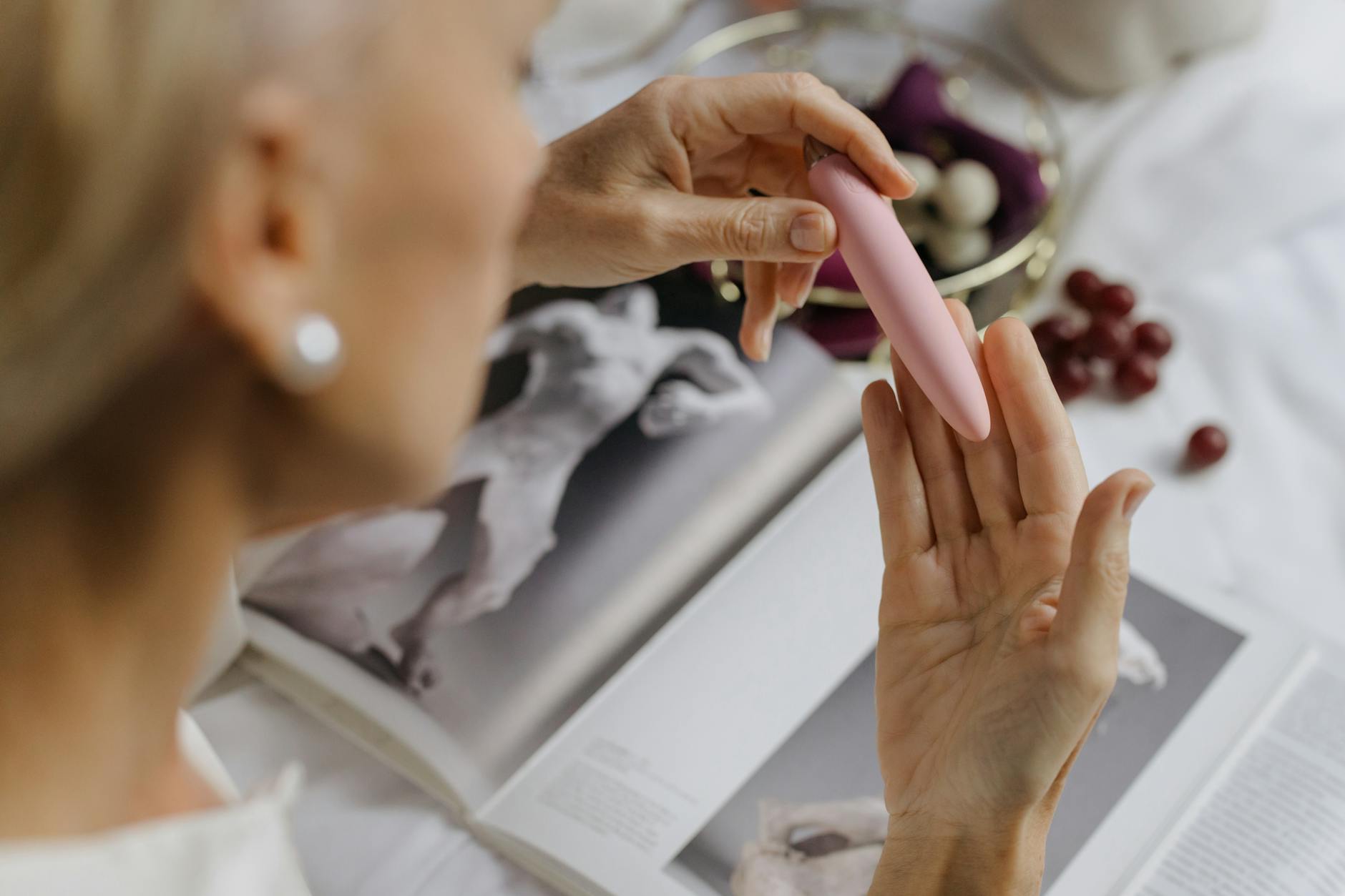
A lemon vibrator—also called a lemon sucker or clitoral suction vibrator—works differently than a traditional vibrator. Instead of direct friction, it uses gentle air-pulse waves to stimulate the clitoris. This matters for diabetic bodies in three ways.
First, reduced reliance on sensitivity. If neuropathy has dulled sensation, you need stronger, broader stimulation. A lemon vibrator's suction covers more surface area of the clitoris and surrounding tissue than a pinpoint vibration does, so it can reach sensation even when fine nerve endings aren't firing properly.
Second, better for swollen or tender tissue. High blood sugar can cause inflammation in genital tissue. Direct vibration on inflamed skin hurts. Suction is gentler and less likely to create discomfort during a longer warm-up phase.
Third, more effective with reduced blood flow. The suction mechanism actively pulls blood into the clitoral area, which counteracts the reduced circulation that diabetes causes. This helps with engorgement and can make arousal feel less distant.
The practical adjustments that actually work
Four things I recommend to clients with diabetes who are exploring lemon vibrators or any clitoral stimulation.
Start with pattern one and stay there longer than you think you need to. The lowest setting on a lemon vibrator is still potent. Arousal takes longer when blood flow is compromised. Patience here is not weakness, it's strategy. Budget 20 to 40 minutes instead of 10.
Track blood sugar before and after. Orgasms improve insulin sensitivity slightly. More importantly, if your blood sugar is high (above 200 mg/dL), sensation and arousal will be worse. Timing solo time for when your glucose is in range makes a measurable difference in how things feel. This is boring to say but absolutely true.
Use water-based lubricant consistently. Diabetes increases yeast and bacterial infections, so extra lubrication matters both for comfort and to reduce friction that could damage tissue. Water-based is safest because it's compatible with any toy material and doesn't interfere with blood sugar management the way some oils can.
Talk to your doctor about blood pressure medications. Many diabetes medications and blood pressure drugs reduce sexual function as a side effect. If arousal feels absent even when things are going well otherwise, ask your GP whether a medication swap is possible. Sometimes it is. Often it changes everything.
The mental load that changes everything
Diabetes is a constant background management task. You're monitoring glucose, counting carbs, adjusting doses, dealing with the anxiety of complications. That cognitive weight lands directly on arousal.
When your brain is running a diabetes budget simultaneously, it's harder to drop into pleasure. This isn't a personal failure. It's neurobiology.
One strategy: create a clear transition between diabetes management and sexual time. Change rooms, change clothes, put the phone and monitor in another space. Give your brain permission to stop calculating for 30 minutes. This mental reset often works better than anything physiological.
If you're with a partner, separate the diabetes conversation from the intimacy conversation. "My glucose is hard to manage" and "I want us to reconnect physically" sound related but require completely different solutions. Bundling them creates resentment, not sex.
When to involve your healthcare team
If pain appears during sex—sharp, burning, or persistent—tell your doctor. Diabetic women and people with vulvas have higher rates of yeast infections, which can make penetration or stimulation painful. This is treatable and common.
If desire has flatlined and it's not just fatigue from managing glucose, ask about testosterone replacement. It's underused in diabetes care, and it can genuinely restore desire. The evidence base is solid, even if the conversation feels awkward.
If numbness is severe, diabetic neuropathy may need its own treatment plan. Some medications help rebuild nerve function. Acupuncture and specific nerve exercises can also help. A diabetes educator or endocrinologist can point you toward resources.
Diabetes changes the rhythm of pleasure. It doesn't end it.
How blood sugar management connects to sexual function
This is the part most doctors skip, but it matters. Better glucose control directly improves sexual function. Studies show that people with well-managed diabetes (A1C below 7) report higher arousal, easier orgasm, and greater satisfaction than those with poor control.
It's not fast. It takes weeks or months to see improvement after you tighten glucose management. But it's one of the few places where you have direct leverage over the biology.
You deserve a sex life that feels good. You deserve pleasure that doesn't feel like an uphill battle. Sometimes that requires adjusting expectations. Sometimes it requires different tools, like a lemon vibrator. Always it requires you to see your diabetes care and your sexual health as connected systems, not separate problems.
Start where you are. Use what works. Ask for help when you need it.
People also ask
Can you use a lemon vibrator safely with diabetes?
Yes, absolutely. A lemon clitoral vibrator is actually one of the better options for people with diabetes because it relies on suction rather than direct friction. This is gentler on tissue that may be inflamed from high blood sugar and more effective for numbness caused by neuropathy. Just follow basic hygiene—wash it before and after use, use water-based lubricant, and store it in a clean, dry place. If you notice any irritation or unusual discharge, pause and check with your doctor to rule out infection.
Does diabetes cause numbness during sex?
Yes. Diabetic neuropathy, or nerve damage from prolonged high blood sugar, can dull sensation in the vulva and clitoris. Some people experience numbness. Others experience weird sensations like tingling or burning. The severity depends on how long you've had diabetes and how well controlled your blood sugar has been. Better glucose management can stop neuropathy from getting worse, and sometimes reverse early damage. If numbness is new or getting worse, mention it at your next diabetes appointment.
How does blood sugar affect arousal and orgasm?
High blood sugar reduces blood flow to genital tissue and damages nerves responsible for sensation. Both slow down arousal and make orgasm harder to reach. Additionally, the hormonal chaos of uncontrolled diabetes—elevated cortisol, reduced testosterone—tanks desire at the brain level. This is why many people with poorly controlled diabetes report that sex feels like work, not pleasure. Tightening glucose control often restores arousal within weeks to months.
Should I tell my partner I have diabetes-related sexual changes?
If you're partnered, yes. Not as confession, but as information. "My body needs more time and different stimulation right now because of my diabetes management. Here's what helps." That's an invitation to problem-solve together, not a reason to hide. Partners who understand the context can adjust. Partners who don't understand often invent blame. Communication prevents the second thing from happening.
Can birth control pills or hormone therapy interact with diabetes and sex drive?
Yes. Some hormonal contraceptives worsen insulin resistance and blood sugar control, which indirectly tanks sex drive. If you're on the pill or patches and noticing arousal is absent, ask your doctor whether a different formulation or method might help. The same goes for hormone replacement therapy if you're in menopause. Different formulations affect glucose differently. You might find one that works better for both.
What if I'm using insulin—does that change how lemon vibrators feel?
Not directly. But managing insulin-dependent diabetes creates a lot of mental load, which can suppress arousal. The physical effect of insulin on sexual function is minimal. The psychological effect of constant management is real. This is where that mental transition I mentioned becomes crucial—actually stepping away from diabetes management during sexual time helps more than you'd expect.
References and sources
American Diabetes Association. Sexual Health and Diabetes. (2022). https://www.diabetes.org/
Marchal-Crespo, L., & López-Alonso, V. (2013). Effects of physical therapy on blood pressure and glucose metabolism in diabetes: A systematic review. Journal of Physical Therapy Science, 25(10), 1257–1262.
Climatologically, C., & Isidori, A. M. (2014). Sex differences in the cardiovascular effects of diabetes. Nature Reviews Endocrinology, 10(10), 593–602.
Sarwer, D. B., & Polonsky, H. M. (2016). The psychosocial burden of diabetes. Diabetes Spectrum, 29(1), 40–46.