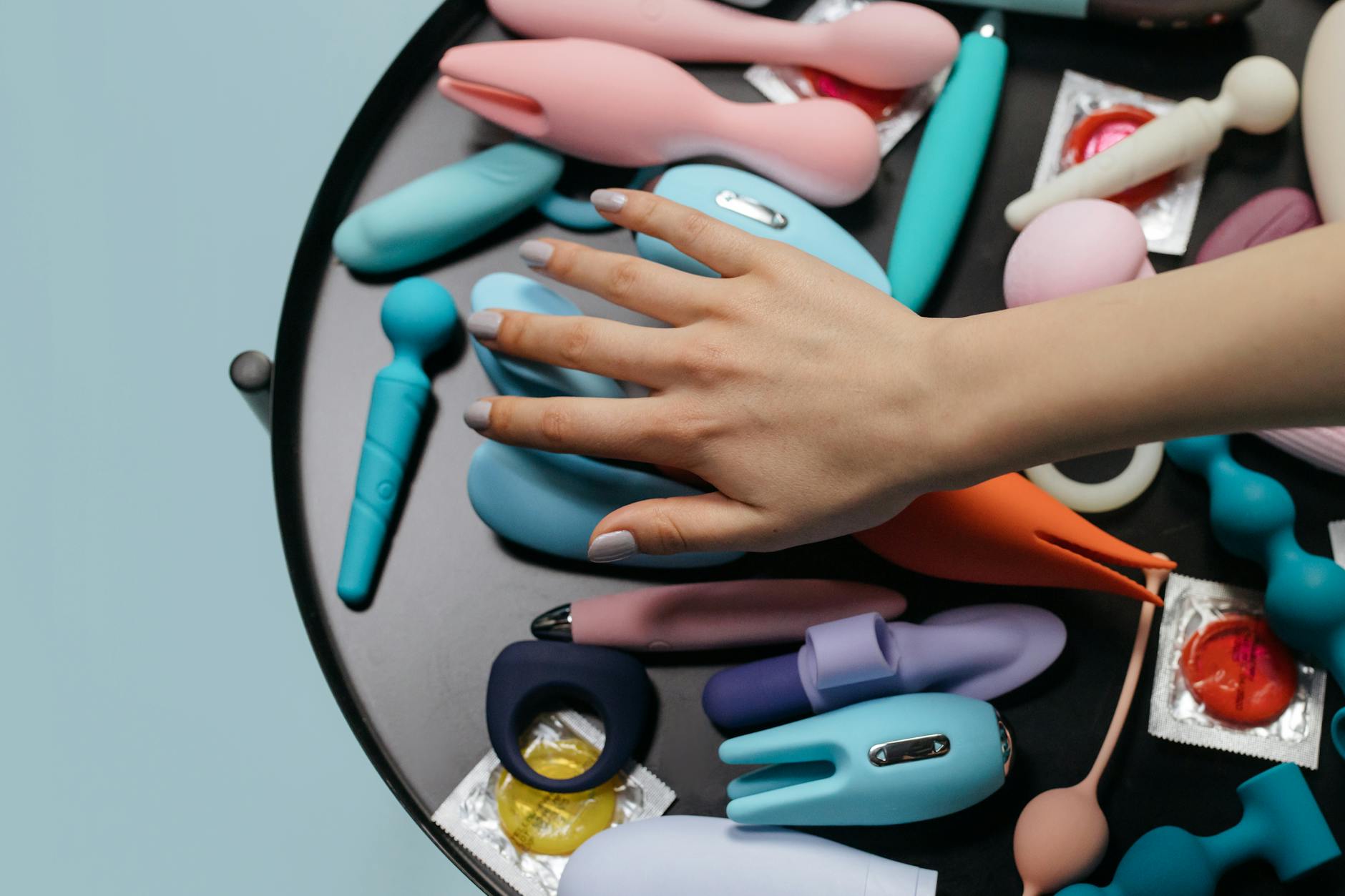
The thing nobody tells you about this conversation
You already know your partner is skeptical. You wouldn't be researching this if they'd said yes enthusiastically. But here's what most people get wrong: they assume the resistance is about the toy itself. It almost never is. The resistance is about what they think the toy means.
Maybe it means you're not satisfied. Maybe it means they're not enough. Maybe it means you're drifting. Maybe it means you want something weird. The toy is just the visible target for a much deeper anxiety. If you address the toy without addressing the meaning, you'll hit a wall every time.
I've sat with hundreds of couples in this exact moment. The ones who get unstuck do one thing: they separate the conversation into two parts. First, the emotional safety. Second, the logistics. Let's build your framework.
Part one: Why this conversation matters (and how to frame it)
Don't lead with the toy. Lead with the intention.
Your opening should sound something like this: "I've been thinking about our intimate life, and I really value it. I think there's room for us to explore something that could feel even better for me, and I wanted to talk to you about it."
Notice what's in there: you're signaling that the relationship matters, that intimacy matters, and that you're not making a unilateral decision. You're inviting them into something.
Then pause. Let them respond. Don't fill the silence. Some partners will immediately ask what you're talking about. Others will get defensive right away. Both are normal. If they ask, you say: "I've been interested in trying a lemon clitoral vibrator. Something designed to make my own pleasure easier to access. I wanted to see how you felt about it."
Use the actual product name (like the Lem vibrator). Don't hide behind euphemisms like "toy" or "device" unless you're genuinely uncomfortable with the word. Vaguer language makes it feel shadier than it is.
The most common objections (and how to actually respond)
"Is this because I'm not good enough?"
This one comes up constantly. Here's the truth: clitoral vibrators aren't a replacement for partners. They're an addition to your own pleasure architecture. You might say: "It has nothing to do with you or what we do together. This is about me learning what makes my body feel best. That knowledge actually helps our sex life because I understand myself better."
Then, if you want to deepen it: "Think of it like fitness. When I go to the gym, it's not because running with you isn't good. It's because I want to be stronger. Same thing here."
"This feels like a betrayal somehow."
Some partners have genuinely been taught that any sexual pleasure outside the partnership is infidelity or rejection. This requires gentle but direct pushback. "I'm not exploring this without you or away from you. I'm exploring it with your knowledge and ideally your comfort. That's actually the opposite of betrayal. It's honesty."
If they're still struggling, you might ask: "What specifically feels like a betrayal? Can we talk about what you're actually worried about underneath that?" Often, that fear is addressable. Maybe they're worried you'll want less of them. Maybe they're worried they won't know how to be involved. Those are fixable conversations.
"It seems clinical or cold."
Some partners worry that introducing a lemon clitoral vibrator will make sex feel transactional or robotic. You can address this directly: "Actually, the opposite tends to happen. When I know how to get myself to a certain place, I'm more relaxed. I'm more present. I'm less in my head about whether it's going to happen. That makes space for more connection, not less."
Part two: The logistics that actually matter
Once they've moved past the emotional objection, the practical conversation is easier. This is where you get specific.
Explain what it actually does. The Lem, for example, uses suction technology rather than vibration. It stimulates the clitoris without the direct friction that can feel too intense for some people. You could say: "It's basically a different sensation from a traditional vibrator. It feels more like sustained pressure and release, which is actually more like what my body responds to naturally."
Separate the solo experience from the partnered experience. I recommend this approach: "I want to try this alone first, just to figure out what feels good and how I like to use it. Then, if I'm comfortable, we can explore how it might work when we're together. Or it might just be something I use on my own. Both are fine."
Most skeptical partners relax significantly when they know they won't be pressured to "participate" right away. The solo piece feels less threatening because it's clearly about your own body literacy, not about them.
Talk about storage and privacy. This sounds basic, but it matters. If they're worried about it sitting on the nightstand like a neon sign, say so. "I'll keep it in a drawer where it's private. It's not going to be a thing that's out all the time." Containment often reduces anxiety.
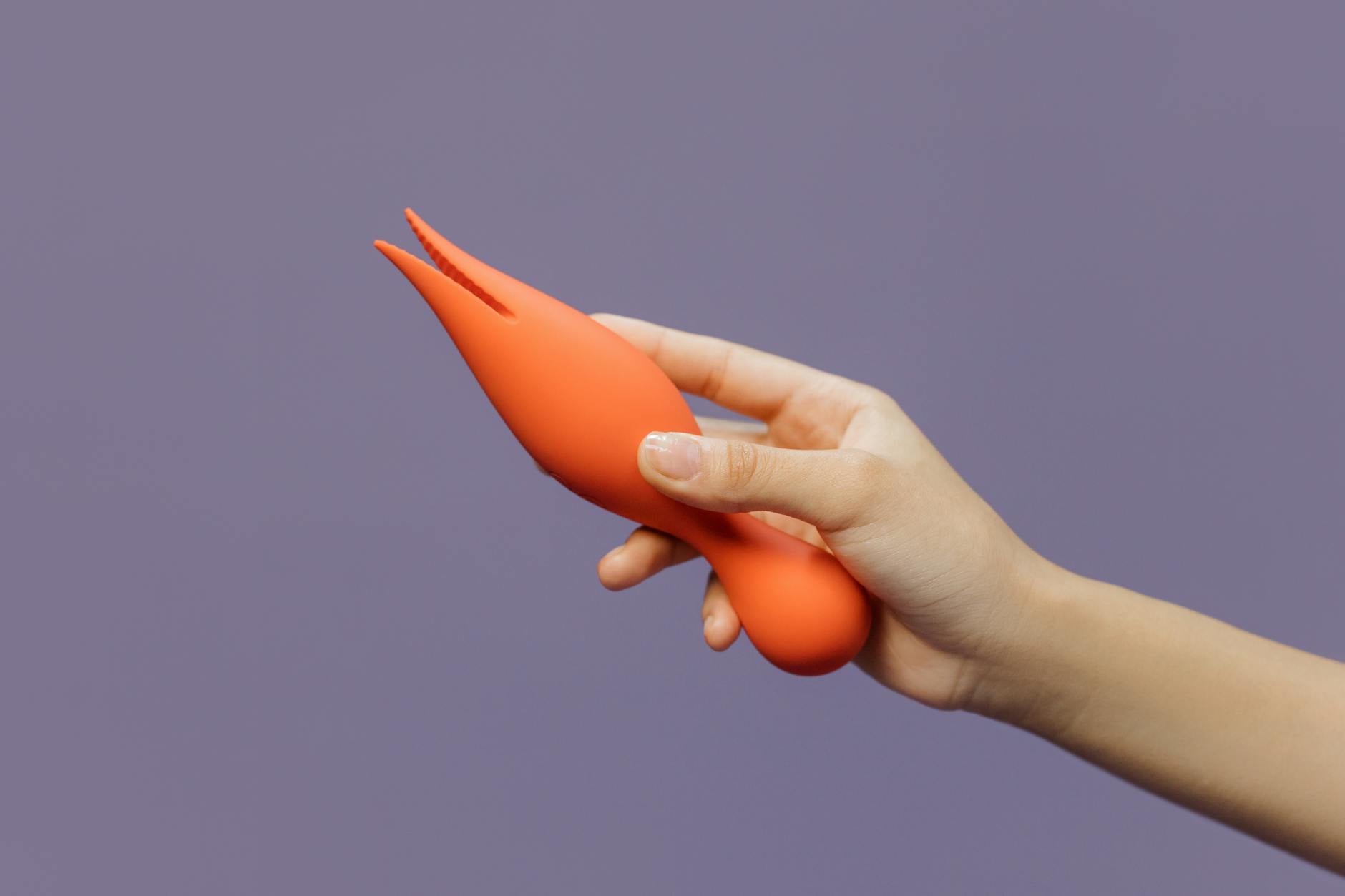
Photo by cottonbro studio on Pexels
The timing of this conversation matters more than you think
Don't bring this up during or immediately before sex. Don't bring it up when either of you is tired, stressed, or defensive. Don't bring it up in public or in front of other people.
The best moment is calm, neutral, seated, and ideally not in the bedroom. Sunday morning coffee. A walk. Basically, a time when you can have a real conversation without distractions.
If you're in the middle of a conflict or a rough patch, you might actually wait. Not forever, but long enough that the relationship feels stable. Introducing something new when you're already distant sends the wrong message.
Similarly, if your partner is already struggling with their own body image or sexual function, this conversation might land differently. You're not wrong to bring it up, but you might frame it as "something I want to explore together" rather than "something I need to feel satisfied." The goal is to expand the experience, not to highlight what's missing.
What to do if they still say no
Some partners will think about it, and their answer stays no. That's information, and it matters.
Before you accept that final no, you're allowed to ask once more: "Is this a hard no, or is there something that would make you more comfortable?" Sometimes the answer is "give me time." Sometimes it's "only if you only use it when I'm not here." Sometimes it's "absolutely not, and I don't want to talk about it again."
If it's that last one, you have a choice. You can respect the boundary. You can push back (though I wouldn't recommend it). Or you can ask for couples counseling to work through whatever is underneath the resistance.
Here's what I tell couples: a hard no on this specific thing is worth listening to. But if the no is really about control, or shame, or an unwillingness to have real conversations about pleasure and desire, that's a different problem that extends way beyond vibrators. That's worth addressing separately, maybe with a professional.
The first time together (if they're willing)
If your partner does agree to explore this with you, go slow. You don't need to use it the first time you have sex after the conversation. In fact, I usually recommend waiting until you've had sex a couple of times normally. That reduces the pressure and the "are they paying attention to me or the toy" anxiety.
When you do introduce it, be matter-of-fact. "I want to try this now. You can watch, or you can be involved in touching me while I use it. Whatever feels right." Let them choose their level of involvement.
Lemon clitoral vibrators like the Lem often create stronger or more focused sensations. If you orgasm, it might look or feel different from what your partner is used to. Give them a heads-up: "This might be intense, or I might come quickly. That doesn't mean you're doing anything wrong. It just means my body is responding to a different kind of stimulation."
The conversation you're actually having
Honestly, this whole thing isn't really about the toy. It's about whether you can have vulnerable, honest conversations about desire with your partner. The lemon vibrator is just the vehicle.
If you can navigate this conversation well, you've built a skill that matters for everything else. Sex after kids. Changing bodies. Different energy levels. Relationship drift. All of it gets easier if you know how to say "I want to try something" and your partner knows how to listen instead of defend.
That's the real win. The vibrator is just the bonus.
People also ask
How do I know if my partner is just being polite when they say yes?
You listen for consonance between their words and their body language. If they say yes but their whole body is tense, if they're avoiding eye contact, if they keep bringing it back to reassurance, they're probably saying yes to avoid conflict, not because they mean it. In that case, you might say: "I want to check in. This feels like a yes you're giving me because you think I want you to say it. I'd rather have a real answer."
What if I already bought the toy and they found it?
This is actually fixable. You're allowed to have the conversation retroactively. "I found this and I want to talk about it openly instead of having you discover it secretly." Then you move through the same framework. It's awkward, but it's manageable.
Can I introduce this without telling them first?
No. That's not a conversation. That's a surprise, and it breaks trust. Don't do this.
What if they want to watch or participate immediately?
That's fine if you're comfortable. But you're also allowed to say: "I appreciate that, but I want to explore this alone first and then we can talk about what might feel good together." Your comfort matters as much as theirs.
Does bringing this up mean our relationship is in trouble?
Not at all. Couples who communicate about desire tend to have healthier, longer-lasting relationships than couples who don't. The conversation itself is a sign of health, not a sign of problem.
What if they get angry instead of just skeptical?
Anger is sometimes a defense against fear or shame. If your partner gets angry, you might pause the conversation and say: "I can see this triggered something. That's okay. Can we come back to this when you're feeling calmer?" If they won't engage at all, that's worth addressing with a therapist. A partnership where you can't talk about this kind of thing needs some professional support.
The bottom line
You're not asking for permission. You're inviting your partner into an honest conversation. That's different. The difference is that you're signaling respect for the relationship while honoring your own needs. That balance is what makes everything else possible. The toy is just the thing that brought you here. The conversation is what matters.