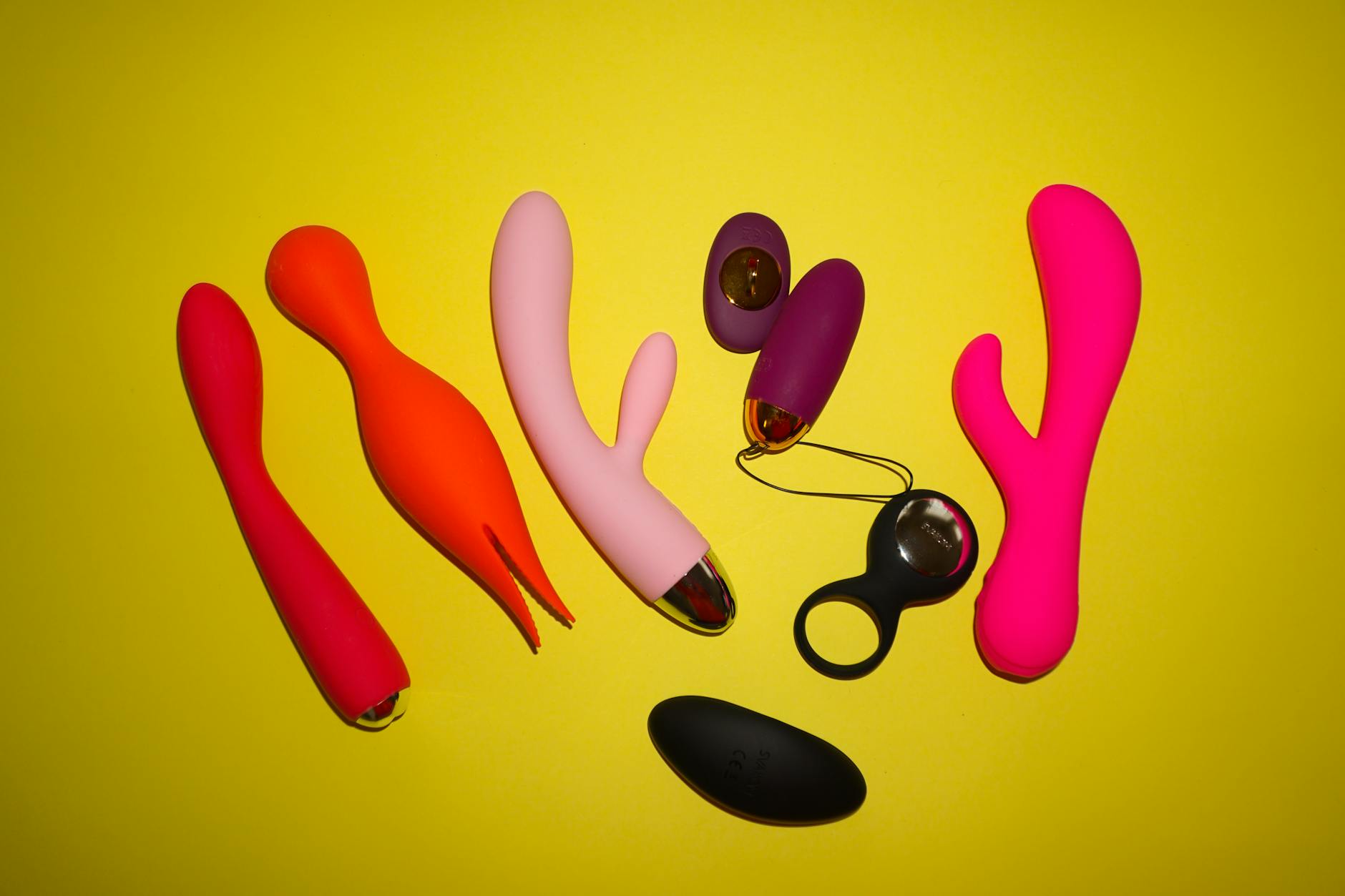
The thing nobody tells you about sex toys and partnerships
Most couples don't introduce lemon vibrators or any clitoral vibrators because they're afraid of one conversation. Not the sex itself. The three minutes before it. And that's fixable.
I've worked with hundreds of couples, and I can tell you: the partners who handle this well don't have special skills or perfect communication. They just know one thing that changes everything. I'm going to walk you through it.
Why the intro conversation feels harder than it should
There's a gap between what your brain knows and what your nervous system believes. Your brain knows that wanting to add a lemon clitoral vibrator to your sex life has nothing to do with your partner's adequacy. Your nervous system thinks: "If I suggest this, they'll hear: You're not enough."
That gap is real. And it gets wider if you've ever had a partner react poorly to something vulnerable. Even one bad experience rewires how you approach the next conversation.
But here's what I've seen work consistently: the reframe. You're not pitching a compromise or admitting a lack. You're offering something specific: more pleasure for both of you, more time together, and access to sensations that solo touch can't deliver.
That's not a consolation prize. That's a gift.
The setup matters more than the script
Timing is half the battle. You don't bring this up during sex, after a disagreement, or when either of you is tired. You bring it up during a moment when you both have space.
Ideally: a walk, a car ride, or sitting on the couch with coffee. Something where eye contact is optional, where bailing feels less abrupt, and where you can pause without it feeling dramatic.
Avoid: right before bed, when someone's rushing out the door, after alcohol, or when one of you is scrolling your phone.
The framing: "I've been thinking about something, and I want to talk about it with you. Not right now necessarily. Just when we have a few minutes." This gives them a heads-up and removes the ambush feeling.
Three actual conversation openers that work
Option 1: The curiosity angle. "I've been reading about how clitoral vibrators can actually change the way orgasms feel for a lot of people. And I'm curious if you'd be interested in trying that together." This positions it as exploration, not dissatisfaction.
Option 2: The desire angle. "I want more time with you focused on pleasure. No rush, no performance. Would you be open to trying something that might help us both slow down and feel more?" This makes it about connection, which it is.
Option 3: The direct angle. "I'd like to bring a lemon vibrator into our sex life. I think it could feel really good for me, and I'd love for you to be part of that. What do you think?" This works if your relationship already has strong communication.
Pick the one that matches your actual dynamic. Don't copy words that feel foreign in your mouth.
What to do if they react badly
Some partners do. It's worth preparing for that possibility, not because it's likely, but because knowing what to do reduces the anxiety that makes the conversation harder.
If they say "Isn't that basically cheating?" or "Does that mean I'm not enough?": Don't defend yourself. Instead, ask: "What's your worry underneath that?" Usually it's not about the toy. It's about relevance, about being wanted, about change.
If they shut down or get quiet: "I'm hearing hesitation. That's okay. I want to understand what you're feeling." Then actually listen. Don't problem-solve. Don't reassure until they've actually voiced the concern.
If they say no: That's information. It might mean they need time. It might mean they have a real boundary. Both are fair. But ask: "Is this a 'not now' or a 'not ever'?" There's a difference, and it matters for your next move.
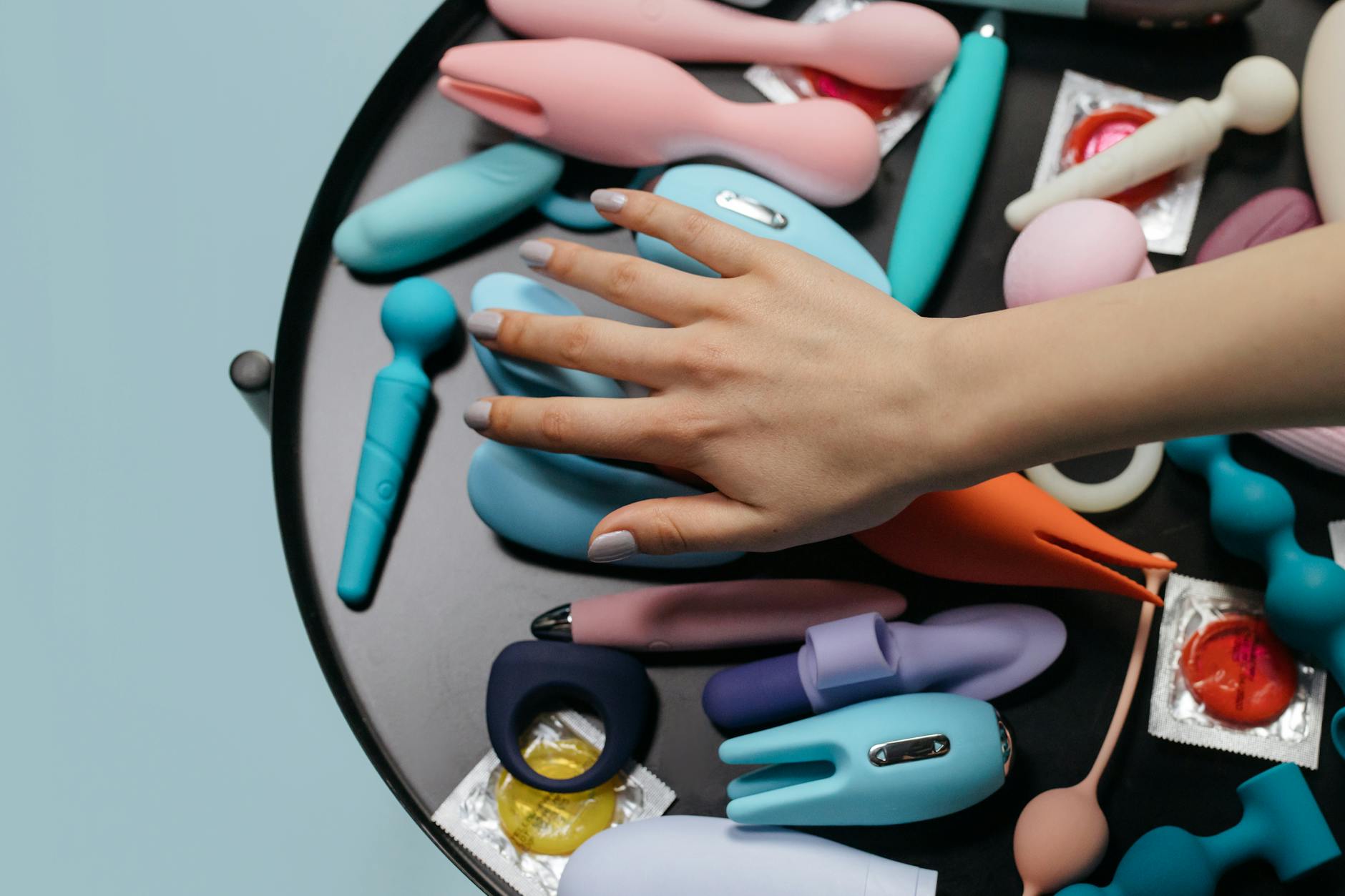
Photo by cottonbro studio on Pexels
When the conversation goes well
If they're curious or interested, don't oversell. Keep it simple. You might say: "I was thinking we could explore together. No pressure to do anything tonight. Maybe we could look at options together?" This transforms it from a suggestion into a joint decision.
If they want details, be ready. Know the basics about how a lemon clitoral vibrator works. (Suction pulse technology, not vibration. Feels different on sensitive tissue. Works well during partnered sex.) Know why you want one specifically, not just "a vibrator."
If they want to buy it together, that's actually ideal. It removes the shame and makes it a shared purchase, a shared curiosity.
The first time using a lemon vibrator with a partner
This is where many couples stumble. They buy the toy, then freeze. Here's how to make it feel natural:
Start with solo exploration first. You use it alone, you get familiar with it, you know what it feels like. Then when you use it together, you're not also managing the learning curve.
When you do introduce it during partnered sex, keep it low stakes. Maybe they use it on you while you're intimate. Maybe you use it while they're inside you. Maybe it's foreplay. There's no one right way.
Talk during it. "That feels good" or "A bit lighter" keeps it collaborative, not performative.
And afterward? Don't make it weird by never mentioning it again. Treat it like any other part of your sex life. "That was really good" or "I want to try that again" normalizes it fast.
What this conversation actually does for your relationship
People think introducing lemon vibrators or any clitoral vibrators is about fixing something broken. Usually it's the opposite. It's about deepening something that's already working.
When you have a conversation about pleasure, you learn things. You learn what your partner actually wants. You learn what you want. You learn that you can ask for things without shame. That's relationship infrastructure. That applies to everything else.
I've seen couples who were stuck, stale, going through motions. They introduced new tools. Not because the tools fixed anything, but because the conversation required honesty. And once you're being honest about sex, the rest of the relationship gets better too.
Frequently asked questions
Q: What if my partner thinks lemon vibrators mean I'm not satisfied with them?
That's the core fear. Address it directly before it becomes a story they tell themselves. You might say: "I'm interested in this because I want more sensation, not because anything's wrong. I want to experience pleasure differently, and I'd love for you to be part of that." Make it additive, not replacement.
Q: Should I bring up lemon vibrators if we're already having issues?
Not as a fix. If your relationship is struggling, especially around intimacy or communication, that's the real conversation first. A clitoral vibrator won't solve disconnection. But once you've addressed the underlying stuff, introducing one can deepen things.
Q: What if they want to pick the toy and I don't like their choice?
That's fine. You can like different things. You might say: "I appreciate you wanting to pick it out. What I really need is something with a gentler sensation, so I'm thinking about the Lemon Clitoral Vibrator from Hello Nancy because of how the suction feels." Let them be part of the decision, but advocate for what actually works for your body.
Q: How do I bring this up if we've been together for 20 years and never talked about toys?
The longer the delay, the more important the framing. This isn't "I've wanted this forever and never told you." It's "I've been thinking about pleasure differently lately, and I'd like to explore that with you." That's growth, not resentment.
Q: Is it weird to use a lemon vibrator during partnered sex?
Not at all. Lots of couples do. Some people find it makes sex feel more focused and connected because attention is on mutual pleasure, not on performing for each other.
Q: What if they want to use a vibrator on me but I want to use it myself?
Both are valid. You might do both at different times. You might alternate who's in control. The key is saying what you want: "I'd love to try that. And sometimes I want to direct it myself because I know exactly where the sensation works best." That's not rejection. That's collaboration.
The bottom line
Introducing lemon vibrators to your partner isn't a risk. It's a conversation. And conversations are the thing relationships run on. The awkwardness you're feeling? That's just the gap between where you are now and where you'll be after you talk. And on the other side of that gap is usually something better.
If you'd like to explore this more deeply or work through relationship communication patterns, we're here to help. Get in touch with any questions about how to navigate this conversation.
References and further reading
- Gottman, J., & Silver, N. (2015). The Seven Principles for Making Marriage Work. Harmony.
- Rubin, J., et al. (2014). On the Margins: Considering Diversity Among Consensually Non-Monogamous Relationships. Journal für Psychologie.
- Meston, C., & Frohlich, P. (2000). The Neurobiology of Sexual Function. Archives of General Psychiatry.