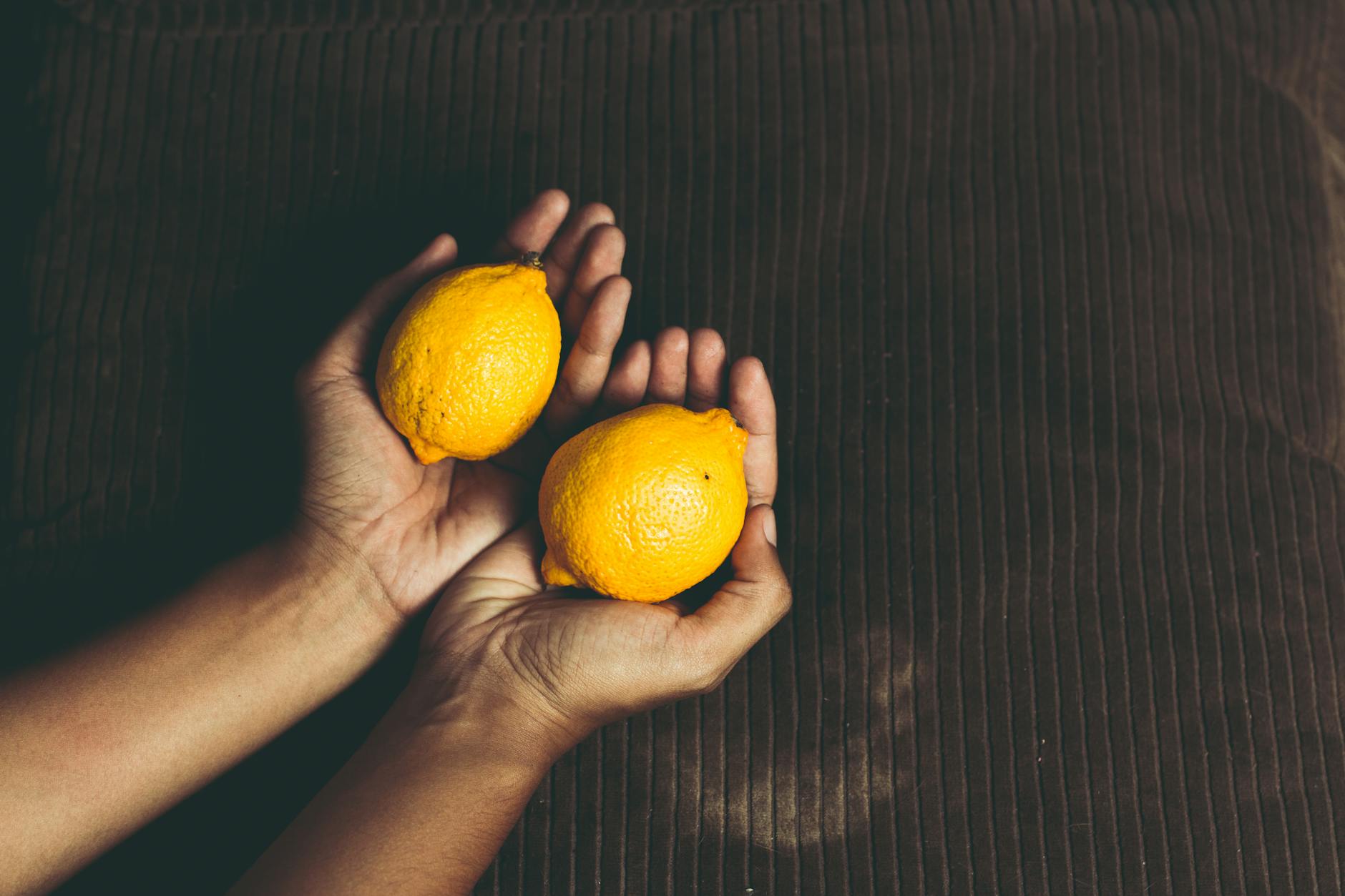
Let's be honest about what solo pleasure actually is
You have a partner you care about. You also want time alone with a lemon vibrator, maybe a clitoral vibrator like the Lem, and that's not infidelity. It's not a sign your relationship is failing. It's not even complicated, though we've all been taught it should feel that way.
Solo pleasure is self-knowledge. It's understanding what your body likes without an audience, without performance pressure, without needing to coordinate someone else's rhythm. For most people in relationships, it's also completely normal and healthy.
But here's where it gets sticky: knowing that intellectually and actually feeling okay about it are two different things. And if you're keeping it secret from your partner, that gap becomes a problem.
Why people hide solo pleasure in relationships
Three reasons show up over and over in my practice.
Shame. You were taught that wanting pleasure for yourself alone is selfish or unfaithful. You internalized the message that good partners only want sex with their partner, and wanting more (or different) is a referendum on the relationship. It's not. Your body's wants aren't a judgment.
Fear of rejection. You worry your partner will feel threatened, insulted, or replaced. Maybe they've made a comment in the past about toys, or maybe you just assume they'd feel that way. The solution isn't to hide it. It's to talk about it before you sneak around.
Misunderstanding what solo pleasure actually competes with. Here's the thing: masturbation with a lemon vibrator doesn't take anything away from partnered sex. They use different neural pathways, different muscles, different timing. One isn't better or worse. They're different experiences. Wanting both isn't greedy.
The communication part (the part that actually matters)
If you're going to use a clitoral vibrator like the Lem alone in your relationship, you need to tell your partner. Not as a confession. As information.
The script I recommend:
"I've been thinking about taking more time for solo pleasure, and I wanted to be straightforward about it. This isn't about you or us. It's about knowing my own body better and having time that's just for me. I wanted to bring this up rather than keep it quiet."
That's it. You're not asking permission. You're not apologizing. You're stating a boundary and inviting conversation.
What you're likely to hear back: either relief ("I was worried you thought I should be enough"), curiosity ("What made you want to explore this now?"), or discomfort ("I feel weird about it"). The discomfort is where the real conversation starts.
When your partner feels threatened
If they do feel uncomfortable, resist the urge to either abandon the idea or get defensive. Stay with it.
Ask: "What specifically worries you?" Listen. They might be afraid you'll prefer solo pleasure to partnered sex. They might feel left out or worry it means you're not attracted to them. Those fears are real even though they're not accurate.
The antidote is time and consistency. Keep your partnered sex life strong. Be clear that solo time is additive, not a replacement. And yes, some partners come around to the idea of solo play being something they even enjoy thinking about or knowing is happening.
Practical logistics (when and where)
Honestly, the boring stuff matters more than you'd think.
Pick a time when you actually have privacy. If you share a bedroom, maybe that's a weekend afternoon when your partner is out. Maybe it's a morning before they wake up. Maybe it's a night when they're traveling. Don't try to be sneaky during a situation where you're technically supposed to be doing something else. That breeds resentment, not pleasure.
The same goes for storing your lemon vibrator or other toys. They shouldn't be hidden. They should be somewhere you can access them without a treasure hunt or elaborate cover story. A drawer in the nightstand. A shelf in the closet. Somewhere normal.
If shame makes you want to hide it anyway, pause and ask why. That's worth unpacking, either alone or with a therapist.
Using a lemon clitoral vibrator for solo exploration
When you have dedicated time, here's how to actually use devices like the Lem to understand your body better.
Start slow. Set aside 20-30 minutes with no agenda except to notice what feels good. That's wildly different from rushing through for the finish line. Use a water-based lubricant even if you think you don't need it. Thinner tissue, longer builds, more nuance. Silicone toys like many lemon vibrators pair well with water-based lubes.
Try different intensity levels. The Lem and similar clitoral vibrators usually have multiple patterns. You're not looking for "the best one." You're mapping your own preference. Some days you like air-suction stimulation, some days you like gentler touch.
Notice what your brain does. Are you thinking about your partner? A fantasy? Nothing at all? There's no right answer. You're gathering data about yourself.
Take breaks. Orgasm isn't the destination. Pleasure is. Some people come multiple times. Some people don't orgasm at all but still feel great. Both are normal.
Bringing solo knowledge back to partnered sex
Here's the real payoff: what you learn about your body alone becomes a gift to your partnership.
You figure out the touch you actually like, the speed that works, the rhythm that builds pleasure instead of frustrating it. Then you can tell your partner. "This feels amazing" becomes "I love it when you do this exactly this way." Specificity turns generic sex into the good kind.
Many people I work with find that their sex lives improve after they start having solo time. Not because partnered sex is now less important. Because they stop performing or guessing. They bring knowledge to the bed.
Some couples even integrate solo pleasure into their partnered life. You use your lemon vibrator while your partner is present but focused on something else. You orgasm separately sometimes. You explore together. The point is: you stopped pretending your pleasure only matters in partnership, and everything got easier.
When solo pleasure is a sign of something bigger
Listen for the difference between "I want solo time to know myself better" and "I'm avoiding partnered sex because I'm angry or disconnected."
The first is healthy. The second is a relationship signal. If you're choosing solo pleasure over partnered sex most of the time, or if you feel like you can't be honest with your partner about basic desires, that's worth examining. Maybe with a therapist. Maybe with your partner directly.
But wanting both? Wanting solo time and partnered time, sometimes on different schedules, sometimes with different tools? That's not a problem to fix. That's adulting.
The bottom line
Your desire for solo pleasure doesn't need to be a secret. Your body doesn't belong to your partner. Your orgasms don't require an audience. And using a lemon vibrator alone is not a betrayal of anything except maybe the shame you were taught.
Tell your partner. Handle their feelings with care and honesty. Take the time you need. Notice what feels good. Bring that knowledge back to your shared bed. That's not complicated. That's integration.
People also ask
Is it normal to want solo pleasure when you're in a relationship?
Completely. Research on sexual satisfaction shows that people in healthy long-term relationships almost universally have solo pleasure time. It's not a reflection on your partner's performance or your attraction. Masturbation and partnered sex use different mental and physical pathways. Solo time gives you space to explore what you like without performance pressure, which often leads to better partnered sex overall, not worse.
Will my partner feel threatened if I use a clitoral vibrator like the Lem alone?
Some partners initially feel uncomfortable, especially if they weren't expecting it or if they've picked up cultural messaging that toys threaten relationships. The key is communication before use, not secrecy. When you're straightforward about it, many partners move through initial discomfort to acceptance or curiosity. If your partner remains upset after you've had multiple honest conversations, that might point to broader relationship anxiety worth addressing together.
How often should I be using a lemon vibrator alone if I have a partner?
There's no magic frequency. Some people use toys once a week, some a few times a month, some multiple times a week. The only "wrong" answer is if you're using solo pleasure to avoid partnered intimacy consistently. If you're balancing both and both feel good, the frequency is up to you.
Does using vibrators alone mean partnered sex won't feel as good?
No. In fact, the opposite often happens. When you know your body well from solo exploration, you can direct your partner more effectively. You're not guessing or performing. You're present. That presence usually translates to more satisfying partnered sex, not less.
Should I tell my partner I'm using a lemon vibrator, or is it okay to keep it private?
Tell them. Not as a confession, but as information. Secrecy in a relationship usually costs more than honesty does. If you're hiding something, it often creates anxiety that affects other parts of the relationship. Being straightforward about solo pleasure usually feels lighter and creates more intimacy, not less, even if there's an awkward conversation first.
How do I bring up solo pleasure if my partner already seems uncomfortable with toys?
Start without the toy. Ask them what worries them about vibrators or masturbation. Often the fear is vague. It becomes easier to address once you know what it actually is. Then you can explain that solo pleasure is about self-knowledge, not about them or your attraction to them. If they're still not okay with it after honest conversation, that's useful information about whether you can stay together long-term, but it doesn't make your desire wrong.
What comes next
Solo pleasure is not the opposite of partnered intimacy. It's a different kind of self-care. And like any form of self-care, it works best when it's not wrapped in shame or secrecy.
Start with honesty. Talk to your partner. Take the time you need. Use tools like a lemon clitoral vibrator to learn what feels good. Bring that knowledge back to your shared bed. That loop—solo exploration, honest communication, shared pleasure—is what healthy sexuality in a relationship actually looks like.
If you're working through how to navigate pleasure, communication, or intimacy in your relationship, reach out. I'm here to help.