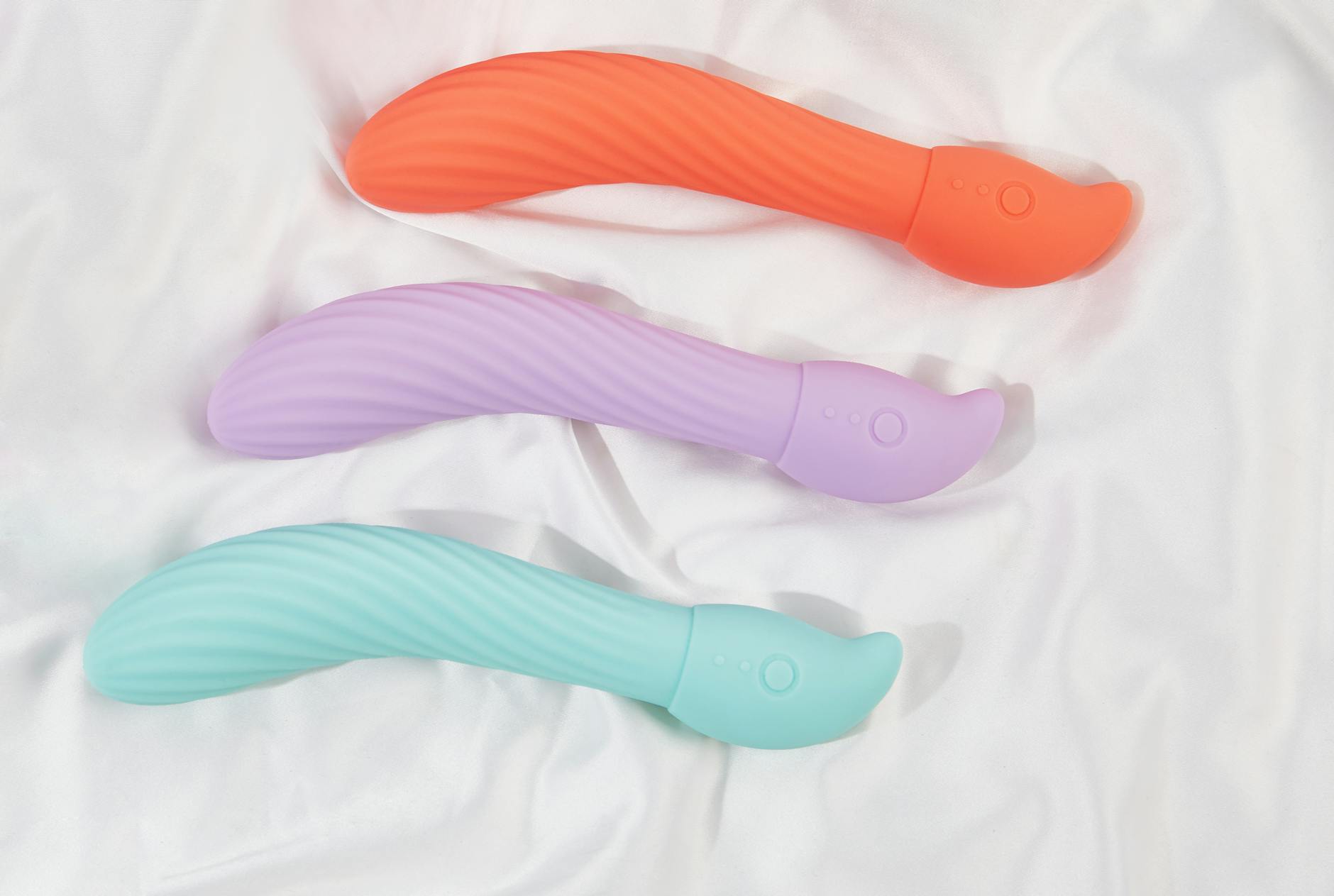
How to Use Lemon Vibrators After Sexual Trauma Recovery
Let's be real. The relationship between trauma survivors and pleasure is complicated. Your body may have been the site of harm, and the idea of reclaiming it for your own pleasure can feel terrifying, foreign, or simply wrong. Many survivors I work with describe a kind of disconnection from their body, as if pleasure isn't something they're allowed to have.
But here's what trauma specialists know: pleasure is actually part of recovery. Not punishment. Not performance. Pleasure for its own sake, on your terms, in your timeline.
If you're thinking about reintroducing lemon vibrators or other clitoral vibrators after surviving sexual trauma, this guide is for you. This isn't about forcing yourself back into sexuality. It's about reclaiming agency, one small decision at a time.
Why trauma changes your relationship with pleasure
Sexual trauma creates a break in the nervous system. Your body learned to associate touch, stimulation, or intimacy with danger. That's not a flaw in you. That's a protective mechanism that likely saved your life. But it also means that pleasure circuits get tangled up with threat circuits.
Recovery isn't about erasing that memory. It's about slowly, gradually teaching your nervous system that certain kinds of touch can be safe because you control them.
This is where solo exploration with a tool like a lemon vibrator has real power. You set the pace. You set the pressure. You can stop at any moment. There's no negotiation, no performance, no one else's needs competing with yours.
The three non-negotiable rules before you start
If you're considering this step, these boundaries are not optional.
Rule One: You're not doing this for anyone else. Not to "prove" you're healed. Not to fix your relationship. Not because a partner wants you to. If there's any pressure, external or internal, pause. Real healing doesn't have a deadline.
Rule Two: You have full permission to stop, always. Halfway through, two minutes in, whenever. No explanation needed. Your body is talking to you, and you need to be willing to listen to it without guilt.
Rule Three: Start smaller than you think. Many trauma survivors find that a smaller lemon vibrator or even just holding a lemon suction toy without turning it on helps rebuild the sensation of control. You're not aiming for orgasm. You're aiming for safety.
How to set up your first session
Environment matters more than you'd think. Your nervous system needs to register safety before pleasure can happen.
Choose a private space where you won't be interrupted. This isn't about arousal yet. It's about your body knowing it's protected. Some people prefer their bedroom. Others prefer the bath (though keep electrical toys away from water). Some find a locked bathroom, lit with one candle, feels most secure.
Before you even pick up the vibrator, spend a few minutes here. Breathe. Notice what your body is telling you. Anxiety is normal. Flashbacks are possible. Numbness is common. All of this is data, not failure.
Many survivors find that starting during a time when they're not in a pressure situation helps. Not right after work stress. Not when you're already depleted. A time when you genuinely have permission to do nothing if your body asks for that.
Starting with the vibrator itself
The first session isn't about using it. It's about familiarizing yourself with the object.
Hold the lemon clitoral vibrator. Look at it. Feel its weight. Some survivors benefit from holding it for a while, unplugged, just noticing its texture. This sounds slow, but it's reclaiming your right to say yes or no to something touching your body.
When you're ready, you might touch it to your arm, your hand, your inner wrist. Not your genitals yet. Just noticing what the vibration feels like somewhere neutral. This is a trick trauma therapists use to bridge the gap between "this object exists" and "this object touching my body is safe."
Many people stop here in the first session. That's complete success.
The progression for when you're ready
There's no timeline. Some people move through these steps in weeks. Some take months. Your body's pace is the right pace.
Session two or three: If the first session went well, you might apply the vibrator to your outer genitals without turning it on. Just the presence of it. Again, this is about your nervous system learning that touch in this place can be initiated and stopped by you.
When that feels manageable: Turn it on at the lowest setting. You might apply it to your outer genitals or your thighs. Low intensity, short duration. Thirty seconds to a minute. The goal is to notice that you survive it, that you can turn it off, that your body doesn't betray you.
When you want more: Move the vibrator slightly closer to your clitoris. Still low intensity. Still short sessions. You're not racing toward orgasm. You're building a new relationship with your body's capacity for sensation.
Many trauma survivors find that lemon suction toys feel different from traditional vibrators. The sensation is more concentrated, less scattered. Some people find that easier to control. Others find it overwhelming. Neither response is wrong.
What to do if a flashback happens
It's possible. And it's not a sign you're broken or not ready.
Flashbacks happen because your nervous system is still processing the original trauma. When they occur, stop immediately. Turn off the vibrator. Step away. There's no shame in this.
Ground yourself in the present moment. Name five things you can see. Four you can touch. Three you can hear. This is a standard trauma de-escalation technique, and it works because it brings your brain back to "now" instead of "then."
After a flashback, you might not want to try this again for weeks. You might try again tomorrow. Both are okay. The goal isn't to push through. The goal is to notice that you survived it, you stopped it, and you're still here.
Building pleasure back in (when you're ready)
Once your nervous system has learned that this touch is safe because you control it, pleasure sometimes returns on its own. Not always. Not immediately.
Some survivors need weeks of exposure before their body remembers what arousal feels like. Some find that pleasure stays disconnected for much longer. This isn't failure. This is trauma's lasting effect, and it deserves patience.
If arousal does start to surface, notice it without pressure. You don't have to do anything with it. You don't have to reach orgasm. You don't even have to continue the session. Pleasure that's forced is not recovery. Pleasure that you choose, in small increments, on your terms, is.
The role of partnership during this recovery
If you have a partner, their role is support, not participation. At least initially.
Many survivors benefit from telling their partner that they're exploring solo pleasure as part of healing. Not so your partner can be involved, but so they understand why you need alone time and privacy. A partner who respects this boundary without needing detail or reassurance is showing up in a way that supports your nervous system's recovery.
If you eventually want to involve a partner, that's a separate conversation with its own timeline. For now, solo reclamation is enough.
Knowing when to seek professional support
If flashbacks are frequent and unmanageable, if you feel unsafe in your body even in completely neutral circumstances, or if the idea of pleasure triggers significant panic, working with a trauma-informed therapist is important. That's not a sign you're doing it wrong. That's you listening to what you need.
A trauma-informed therapist can help you process the original wound and teach your nervous system to distinguish between then and now in ways that self-exploration alone sometimes cannot.
You deserve to experience your body as yours again. Not in a rush. Not on anyone else's timeline. But genuinely, fully, safely yours.
Frequently Asked Questions
Can I use lemon vibrators if I still experience flashbacks during sex?
Yes, but solo exploration is different from partnered sex. Solo play means you're in complete control, which can feel safer. If flashbacks occur during solo use, you have full authority to stop immediately with no negotiation. This experience of complete control can actually help retrain your nervous system. That said, if flashbacks are severe or constant, pairing this exploration with therapy is important.
How long should I wait after trauma before trying to use a vibrator?
There's no universal timeline. Some trauma specialists suggest waiting until you feel some baseline safety in your body, which might be weeks or months. Others suggest that gentle, self-directed exploration can begin as soon as you feel any desire to reclaim your body. The key is that it's your choice, not anyone else's expectation. If you're asking this question, you're probably ready to at least think about it.
Will using a lemon vibrator help me orgasm again?
Maybe, eventually. But that shouldn't be the goal right now. Many trauma survivors report that orgasm returns gradually, sometimes years into recovery. Some find their orgasms feel different than before. Both are normal. If you approach vibrator use with the goal of reaching orgasm, you're adding performance pressure back into an experience that's supposed to be about reclamation. Focus on sensation, safety, and choice first. Orgasm will follow if and when your nervous system is ready.
What if I have a partner and they want to be involved in my healing?
Their best support is respecting your solo exploration without needing to be part of it. Some partners want to help, which comes from a good place, but partnership during trauma recovery usually means boundary-holding and patience, not participation. If your partner pushes to be involved in your solo healing, that's a yellow flag worth exploring with a therapist.
Is it normal to feel nothing when I use a vibrator after trauma?
Completely normal. Trauma can create numbness or disconnection from sensation, especially in the body. Using a lemon vibrator while numb is still valuable because you're teaching your nervous system that this touch is safe. Sensation often returns after safety has been re-established. Pushing yourself to feel something you don't feel yet just recreates pressure, which is not healing.
Can I use a lemon suction vibrator if I have pelvic tension from trauma?
Trauma often lives in the pelvic floor as tension or bracing. A lemon suction toy might feel intense because of this tension. Starting with the absolute lowest setting or even just holding the toy without turning it on is a good approach. You might also benefit from pelvic floor physical therapy alongside this exploration. Some therapists specialize in trauma-informed pelvic floor work.
Recovery isn't linear. Some days your body will feel like yours again. Some days it won't. Both are part of the process. The fact that you're even thinking about reclaiming pleasure, on your own terms, is an act of profound courage. Honor that. Take your time. And remember: you get to decide what happens to your body, always.
If you have questions or want to connect with resources about trauma-informed sexuality, we're here to help. Reach out to Hello Nancy.