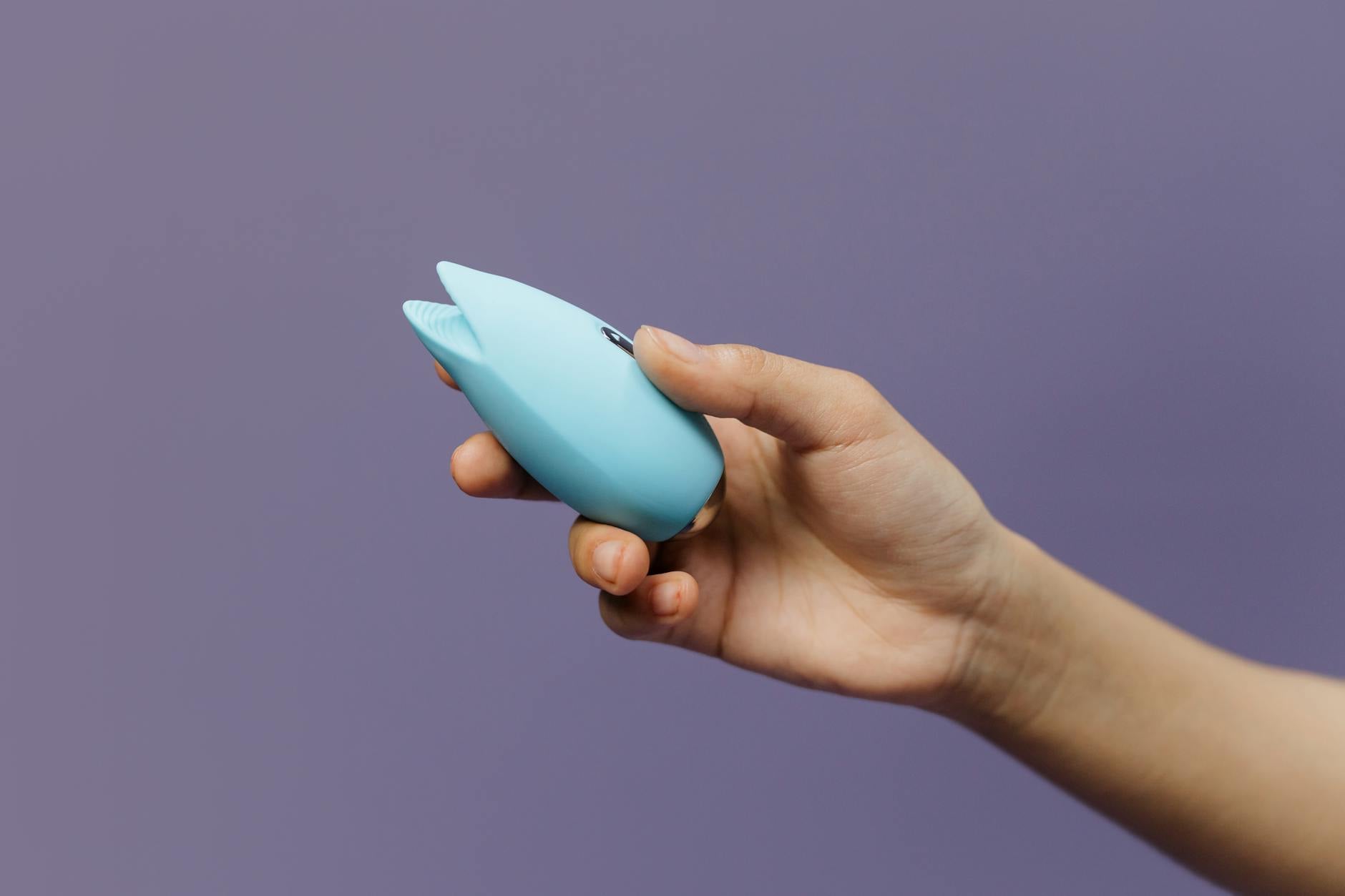
The honest thing about your first time
Let's be real. If you're reading this, you've probably heard something about lemon vibrators and you're curious. Maybe a friend mentioned the suction sensation. Maybe you've seen them online and wondered what makes them different from everything else. Maybe you've tried other toys and felt like something was missing.
Here's what I want you to know before you start: this is not going to feel like a traditional vibrator. That's the whole point. And it's absolutely worth paying attention to how your body responds to something entirely new.
Why lemon vibrators feel completely different
Most vibrators work through oscillation. They buzz. Your lemon clitoral vibrator works through gentle suction and pulsing, which is a fundamentally different kind of stimulation. Think of the difference between tapping on a surface and creating a gentle pull. Both can build pleasure, but the pathway your nervous system takes to get there is totally distinct.
The suction creates a seal around the clitoris without direct friction. This matters because it means gentler pressure on sensitive tissue while delivering intense sensation. For a lot of people trying one for the first time, this is the moment something clicks into place. For others, it takes a few sessions to understand what their body is experiencing.
Neither response is wrong. Your pleasure isn't a light switch that flips on instantly. It's a practice.
Before you start: the setup that matters
Three things I tell everyone before their first lemon vibrator experience.
Get comfortable first. This isn't about rushing toward an orgasm. Spend ten minutes in whatever position makes you feel grounded. Lying down, sitting up, propped on pillows. Your nervous system needs to feel safe before it can open up to something new. Put your phone in another room.
Have water-based lubricant nearby. Even if you don't think you'll need it, have it within reach. The suction works best when there's a light seal, and lube can help that happen smoothly. It also reduces any anxiety about "doing it right," because there's no wrong amount.
Start with the lowest setting. Your lemon clitoral vibrator likely has multiple intensity levels. Begin at level one. You're not being cautious because you're fragile. You're being smart because you want to learn what your body actually feels, not jump straight to maximum sensation and miss everything in between.
The actual first moment
Turn it on at the lowest setting before you apply it anywhere. Listen to the sound. Feel the vibration in your hand. This is your brain's way of normalizing something new. Thirty seconds of this matters more than you'd think.
Now, place the lemon vibrator gently against the outer edges of your clitoris. Not directly on the tip. The sides. The suction-style sensation of lemon vibrators distributes stimulation in a way that the tip alone doesn't. You'll notice the difference immediately. It might feel gentler than expected. It might feel more intense. Both are data about your body.
Don't move it yet. Just let it sit there for ten to fifteen seconds. This is when your body starts recognizing the sensation and your arousal begins building. Impatience is normal here. Ignore it.
Learning the rhythm that works for you
Slow, circular motions are the foundation for most people. Small movements, maybe a half-inch in any direction. The suction seal stays intact, and the sensation builds without jarring your nervous system. Try this for thirty seconds before adjusting intensity or position.
After thirty seconds, bump up to intensity level two. Stay with the same slow motions. Your clitoris has thousands of nerve endings, and they're all responding differently to this new sensation. Give them time to send information back to your brain.
If something feels off, lower the intensity. If you feel pressure building toward pleasure, keep the same motion and intensity for at least another minute. One of the biggest mistakes people make with their first lemon clitoral vibrator experience is changing everything at once. The suction sensation is already new. Everything else should stay steady.
Why you might not orgasm the first time (and why that's perfectly fine)
I'm going to tell you something that most toy reviews won't: first-time orgasms are not the goal. Understanding the sensation is the goal. Teaching your body that this new input is safe is the goal.
Your brain is wired to protect you from unfamiliar situations. When you introduce something entirely new, your nervous system takes a minute to decide it's not a threat. Some people's systems make that decision in five minutes. Others need three or four sessions. Both are normal.
If you feel pleasure building but don't cross over into orgasm, that's not failure. That's your body learning. Stop, take a breath, write down what you noticed. What sensation did you like? What felt weird? What made you tense up? This information is valuable because it tells you exactly where to focus next time.
Moving into deeper exploration
Once you've gotten comfortable with the basic suction sensation, experiment with intensity levels while keeping the same motions. Find the level where pleasure feels obvious but not overwhelming. That's usually your sweet spot.
Then try different positions. Some people find that pressing the lemon vibrator slightly firmer against the clitoris while maintaining slow movements creates the perfect amount of pressure. Others prefer it feather-light. You're not following a script here. You're gathering information about what your body loves.
If you have a partner, you might eventually explore using a lemon vibrator together. The suction sensation can feel incredible during partnered sex, but that's a conversation for after you understand how it works on its own. Solo exploration first gives you confidence and knowledge that translates into better communication later.
The common things that confuse people
You might notice the suction sensation feels almost like a gentle pulling. That's exactly what it is, and it's supposed to feel that way. It's not supposed to feel like buzzing. If you're expecting the sensation of a traditional vibrator and you get something completely different, your brain might flag it as wrong. It's not. It's just new.
You might also notice that some positions angle the lemon vibrator differently than others, and the sensation shifts. This is one of the reasons people love these toys. You have control over the exact kind of stimulation you're getting. Traditional vibrators are more one-note. Lemon vibrators invite you to explore.
Some people feel self-conscious about the suction sound. Fair. It's quieter than a lot of vibrators, but it's not silent. If noise is an issue in your space, that's real information. Plan your solo time accordingly.
When to bump up intensity after the first few times
After three or four sessions, your nervous system has usually decided this is a pleasant experience. That's when you can start confidently moving through all the intensity levels. By this point, you've already felt what levels one and two do. Three and four will extend the sensation without feeling jarring because you understand the baseline.
Many people find their orgasms happen naturally once they've moved past the exploration phase. The first one after you finally let yourself fully relax into the sensation is often memorable. It tends to feel different from orgasms you've had before, sometimes more focused, sometimes deeper. That's the suction at work.
What to do if it's just not clicking
Sometimes a toy doesn't work for your body, and that's okay. You're not broken. Your pleasure preferences are just different from someone else's. The lemon clitoral vibrators that work beautifully for plenty of people might not be your thing, and that information is genuinely useful.
Before you conclude it's not for you, though, make sure you've given it at least five solo sessions over a couple of weeks. Pleasure takes time to develop. Your body needs repetition and consistency to recognize a new sensation as good.
If you're still not feeling it after five sessions, you've got real data. Consider trying a different intensity level toy, or exploring other options that might match your body's needs better.
The mental piece that matters most
Your first experience with a lemon vibrator is also a conversation with yourself about permission. Permission to explore. Permission to take time. Permission to prioritize your own pleasure without rushing toward a specific outcome.
A lot of people come to these toys carrying years of messages about what sex is supposed to be, how quickly it should happen, and what counts as success. A solo experience with something new gives you the chance to rewrite some of those scripts. You're not performing for anyone. You're just learning what feels good to your body.
That matters more than the orgasm. Though the orgasm is usually pretty good too.
People also ask
How long does it take to have an orgasm with a lemon vibrator for the first time?
Every body is different, but most people need at least five to ten minutes of consistent stimulation before pleasure builds toward orgasm. For first-timers specifically, I usually recommend expecting fifteen to twenty minutes your first few times because part of that time is your nervous system learning and adjusting to the sensation. If you reach twenty minutes without feeling close to orgasm, that doesn't mean it won't happen. It might mean your body needs more time, or it might mean this particular session isn't going in that direction. Both are fine.
Can I use a lemon vibrator with a partner the first time?
You can, but I'd suggest exploring solo first. The reason isn't complicated. You want to understand how the toy works on your body before adding the dynamic of another person's presence. Solo exploration removes performance pressure and lets you focus entirely on sensation and what feels good. Once you've done that a few times, incorporating it into partnered sex becomes way more fun because you already know your own pleasure map.
What if the suction sensation feels uncomfortable or too intense?
Start at the lowest intensity level, and use lighter pressure. You're not supposed to press the lemon vibrator hard against your body. Gentle contact is usually the sweet spot. If even the lowest setting feels overwhelming, give yourself a break and try again in a day or two. Sometimes your body just isn't ready on a particular day, and that's completely normal. If it consistently feels uncomfortable, you might prefer a different type of stimulation, and that's useful information too.
Do I need lubricant with a lemon vibrator?
Not always, but having it available is smart. The suction sensation works best with a light seal, and lubricant can help create that smoothly. It also takes pressure off any worry about "doing it right." Start without lube if that feels right to you, and add it if you want to. There's no rule here.
Why does my lemon vibrator feel different from session to session?
Your body changes. Your arousal level changes. Your stress level changes. The time of your cycle changes. All of these affect how stimulation feels and how quickly pleasure builds. A lemon vibrator that felt perfect last week might feel different this week, and next week it might feel perfect again. This isn't a problem. It's actually one of the reasons having a toy that offers different intensity levels and positioning flexibility is so useful. You can adjust to what your body needs in the moment.
How do I know if I'm using it correctly?
If you're comfortable, exploring different sensations, and not experiencing pain, you're using it correctly. There isn't a single right way to use a lemon clitoral vibrator. Your body's responses and preferences are the measure of whether you're doing it right. Some people prefer barely-there pressure and slow movement. Others want firmer contact and faster patterns. Listen to your body instead of following a script.