When sex stops, pleasure doesn't have to
A sexless marriage feels like a slow fade. First it's a few weeks. Then months blur together. Eventually you stop counting, because tracking the absence becomes too painful. By then, you've often accepted a story: that you're the problem, or they are, or maybe both of you just aren't compatible anymore.
Here's what I see in my office, over and over: couples land in sexless marriages not because desire died. They land there because one or both partners stopped believing their own pleasure mattered enough to ask for it.
If that's where you are, a lemon vibrator isn't a band-aid. It's a starting point.
Why sexlessness happens (and it's rarely about attraction)
I've worked with hundreds of couples, and the path to a sexless marriage is almost never a sudden cliff. It's a long slope. Someone gets stressed. Sex gets shelved "for now." Months pass. Resentment builds because the conversation about it happens sideways, through tone and silence instead of words. Then one or both partners decide it's easier to stop trying.
What's interesting is that the person initiating the withdrawal often isn't the one who's lost desire. They're protecting themselves from rejection. Or they've internalized the message that their pleasure isn't important enough to negotiate for.
The other partner, meanwhile, has stopped asking. They've learned that initiating sex leads to rejection or obligatory compliance, which somehow feels worse. So they shut down too.
Now you have two people who theoretically could want each other, but who've both decided it's safer not to want.
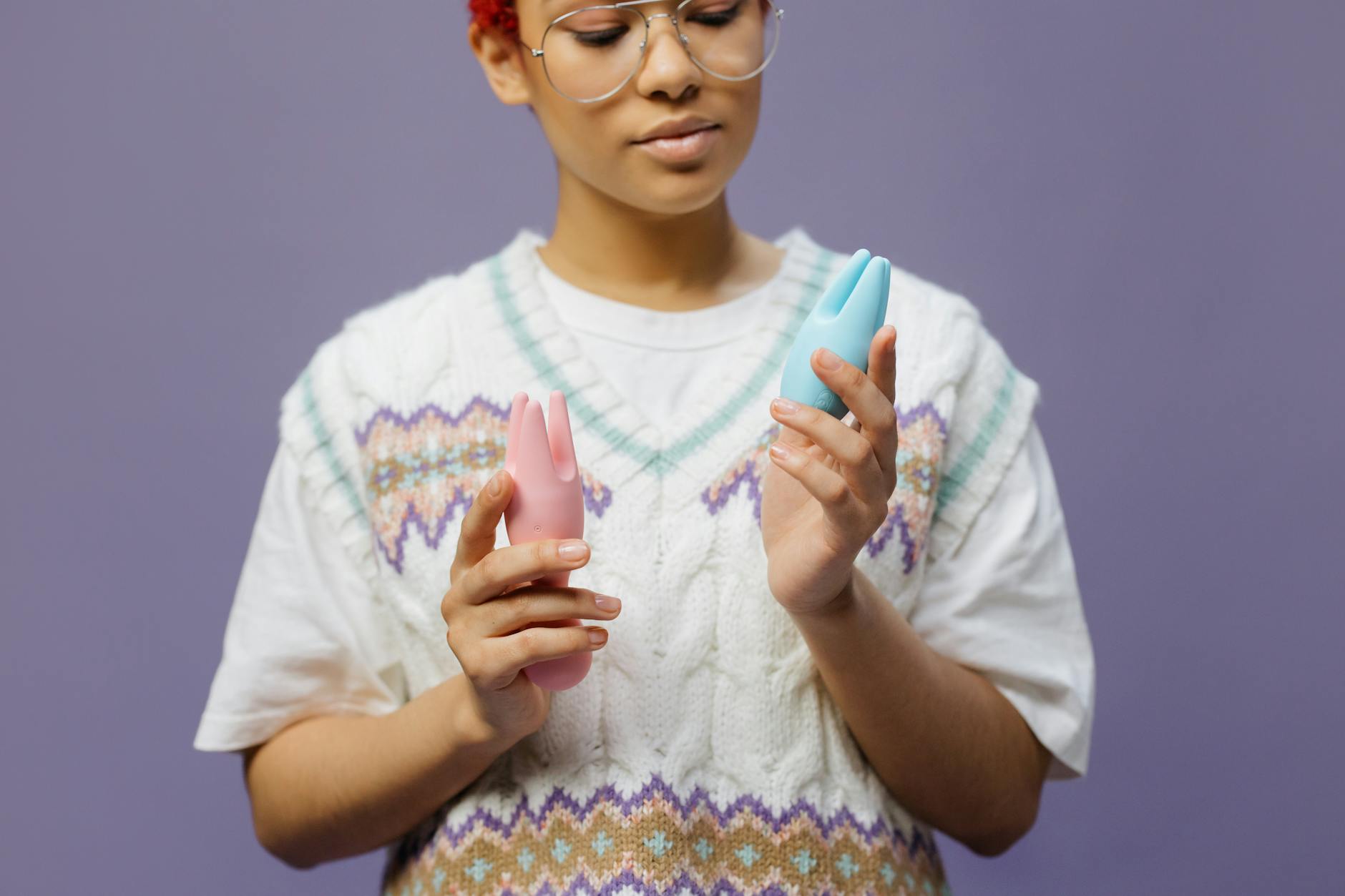
This is where lemon clitoral vibrators come in. Not as a replacement for your partner. As a conversation starter with yourself.
Rebuilding your own desire first
Here's something nobody tells you: you cannot negotiate sexual intimacy with a partner while you've convinced yourself your pleasure isn't worth pursuing alone. It doesn't work. Your body knows you don't believe in yourself, and your partner feels that doubt.
When I recommend lemon vibrators to people in sexless marriages, I'm not suggesting they use toys instead of their partner. I'm suggesting they remember what it feels like to want something and then get it. To ask for something and receive it. To prioritize their own sensation.
That sounds like self-care. It's actually couple's work.
Starting with a lemon vibrator means:
You're reminding your nervous system that pleasure is accessible. After months or years of no sex, your body may have genuinely forgotten what arousal feels like. A few minutes with a lem vibrator reintroduces that signal. Your brain starts recognizing the pathway again.
You're practicing asking for what you want. Using a toy alone, without judgment or performance pressure, teaches you something essential: I can want this. I deserve this. Then that knowing bleeds into conversations with your partner.
You're creating a container where desire rebuilds. Solo pleasure with a lemon sucker is lower-stakes than partnered sex right now. There's no obligation. No rejection risk. Just you, a few minutes, and your own body's response. That's enough to start with.
Starting solo before you bring it into the marriage
If you've never used a lemon vibrator or any toy, begin alone. No audience. No timeline.
Set aside maybe 15 to 20 minutes when you won't be interrupted. Somewhere comfortable. Phone on silent. This isn't performance; it's research into your own body.
Lem vibrators work beautifully for this because they don't require the same kind of direct pressure as traditional vibrators. The suction sensation is gentler, which matters if you've been disconnected from your body for a long time. The stimulation feels different enough that it can sometimes surprise people who thought they were "done" with sensation.
Start at the lower intensity settings. Lemon clitoral vibrators typically have multiple patterns. Explore them slowly. You're not racing toward an orgasm; you're re-establishing contact with yourself.
Many people find that after years of no solo or partnered pleasure, their first experience with a lem vibrator is weird. Not bad. Just unexpected. That's normal. Your body's been quiet. It takes a few sessions to remember how to speak.
The conversation with your partner happens here
Eventually, depending on what you want, you might tell your partner that you're using a lemon vibrator. Or you might not. Both are okay.
But if you want to rebuild partnered sex, this is where the conversation changes. Instead of "I miss having sex with you" (which sounds like blame and often triggers defensiveness), you can say "I've been using a toy to reconnect with my own pleasure, and I want us to do that together."
That's a different ask. It's not "fix yourself so I'll have sex with you." It's "I'm interested in pleasure. I want you in that."
Some partners will be curious. Others will feel threatened. That tells you something important about whether this marriage can rebuild intimacy, and that information matters for what happens next. But at least you'll be having a real conversation instead of performing roles in a dead script.
If your partner is interested in rebuilding, introducing a lemon vibrator to partnered play can be gentler than jumping back into penetration after a long gap. You can use it together, exploring what feels good without the pressure of traditional sex. That's often how couples actually reconnect: through curiosity, not obligation.
When solo pleasure needs to stay solo
Not every sexless marriage can or should be fixed. Sometimes the absence of sex is a symptom of something deeper: chronic resentment, incompatible needs, emotional disconnection that goes beyond the bedroom.
I've also worked with people who are in marriages where they genuinely don't want their partner anymore. That's not a failure. That's information. And sometimes using a lemon vibrator solo, with full permission and ownership, is part of honoring that truth.
If you're in that position, please know that your pleasure still matters. You still deserve sensation and release and the reminder that your body works. A lem vibrator is still useful. The marriage might not be.
Making space for your body in a marriage that's forgotten it
One thing I tell people: reintroducing pleasure into a sexless marriage takes gentleness. Toward your partner, yes. But more importantly, toward yourself.
You've probably spent months or years feeling ashamed of the sexlessness. Blaming yourself. Wondering if you're broken. Or deciding that your desire doesn't matter. Using a lemon clitoral vibrator is a small act of saying "actually, I do matter. My body deserves attention."
That shift alone, before anything else changes, can begin to transform how you show up in your marriage. Not out of obligation. Out of reclaimed self-knowledge.
If you're ready to have a conversation with your partner about rebuilding intimacy, starting with solo exploration is often the gentlest path. And if this is as far as you go, that's okay too. Your pleasure isn't contingent on your relationship status.
Frequently asked questions
Can using a lemon vibrator alone make me want my partner again if I've lost attraction?
Not directly. But reconnecting with your own pleasure can help you distinguish between "I've lost attraction" and "I've shut down because intimacy felt painful." Sometimes those feel the same. A few weeks of solo pleasure with a lem vibrator often clarifies which one is true for you. If it's genuine loss of attraction, you'll know that more clearly. If it's protective shutdown, you might find yourself curious again.
Should I tell my partner I'm using a lemon clitoral vibrator?
That depends on your relationship safety and dynamics. In a healthy marriage, yes, eventually. Because if you want to rebuild partnered sex, the conversation about your own pleasure needs to happen. But there's no requirement to announce it immediately. Start solo. Get comfortable. Then decide what serving the relationship requires. If your partner has been emotionally unsafe about sexuality, that's a separate issue worth addressing with a therapist before you invite them into this conversation.
How do I introduce a lemon sucker to my partner if they're defensive about toys?
Frame it as curiosity, not critique. "I've been exploring what feels good to my body, and I'm curious if we could try this together" is different from "you're not satisfying me." Start by using it on yourself while they watch, if they're willing. Some partners are curious once they see how it works. Others stay defensive. Again, that tells you something about the relationship.
What if I orgasm with the lem vibrator but I've never orgasmed with my partner?
That's extremely common. Lemon vibrators work differently than bodies do, and they have no performance anxiety or agenda. If you come with a toy but not with your partner, that's usually about nervousness or disconnection, not physical incompatibility. Therapy or a slow rebuild of trust often helps. Sometimes it doesn't. But at least you know now that your body is capable of that response.
Will using a lemon vibrator make me want sex less with my partner?
No. Usually the opposite. When people begin exploring their own pleasure, they often become more interested in partnered sex, not less. The shame and resignation lift. You remember that sensation is good. You want to share that with someone. If you find yourself wanting solo pleasure more than partnered sex after reconnecting, that's worth paying attention to. It might mean the relationship itself needs different work.
If my marriage stays sexless, is it okay to keep using lemon vibrators?
Absolutely. Your body belongs to you. Your pleasure belongs to you. Whether you're married or single, partnered or alone, your right to feel good doesn't depend on your relationship status. Use a lem vibrator for as long as it serves you. No apology needed.