Let's name the elephant first
Low desire in a relationship isn't broken, and it isn't permanent. It's usually a signal. Something's misfiring between your body and your mind, between you and your partner, or both. The reflex is to panic or to push through. Actually useful response is to get curious about what's underneath.
Here's what I see most often in my practice: one partner (often the higher-desire one) feels rejected. The other feels pressured, which kills whatever desire was left. You're both right. You're also both stuck in a loop that lemon vibrators and honest conversation can actually interrupt.
Why desire crashes and what it's really about
Desire isn't a constant. It fluctuates with stress, sleep, relationship dynamics, body image, and whether you feel truly seen by your partner. If you're touching your phone more than you're touching each other, desire atrophies. If there's unresolved tension underneath the surface (financial stress, parenting disagreement, emotional distance), your body knows it before your mind does.
The confusing part is that low desire isn't always about low attraction. You might love your partner completely and still feel zero spark in the bedroom. That's the gap we're working with here.
Low desire often masks something else entirely: fatigue from managing everyone else's needs, anxiety about how your body looks, past sexual shame, or the slow erosion of non-sexual intimacy that's supposed to be the foundation. Sometimes it's hormonal. Often it's relational.
The difference between pressure and invitation
This matters more than any tool or technique. If you introduce a lemon clitoral vibrator as "maybe this will fix you," it becomes another performance failure waiting to happen. If you frame it as "let's explore what actually feels good to both of us," it shifts from pressure to play.
Here's the distinction my clients find most useful: pressure comes with an invisible expectation of a specific outcome (orgasm, arousal, desire returning). Invitation comes without a script. You're saying, "I want to feel connected to you. I don't know what that looks like yet. Want to figure it out together?"
Your partner might feel nervous about this. They might worry that introducing a toy means they're not enough. This is where the conversation before the vibrator is more important than the vibrator itself. Let them know this isn't about replacing them or proving they're inadequate. It's about expanding the options so you both can feel good.
How to actually introduce a lemon vibrator into solo and partnered exploration
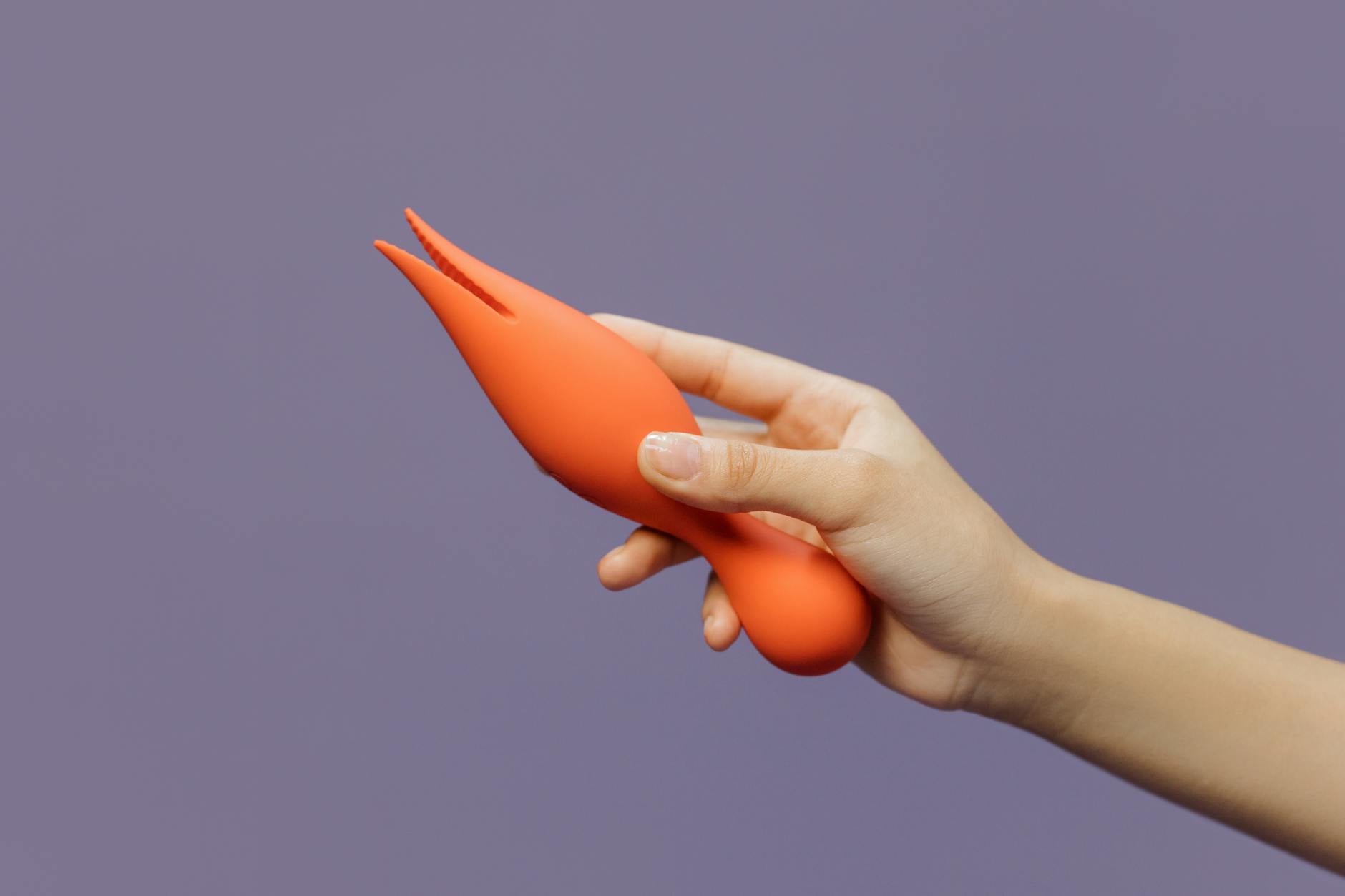
Start alone. This sounds counterintuitive when the goal is partnered intimacy, but it's necessary. When you use a clitoral vibrator like the Lem by yourself first, you learn what actually feels good without anyone watching or waiting for a response. You get to discover sensation without performance.
Set aside 20 minutes when no one will interrupt. Explore at your own pace. Notice which patterns feel intense, which feel gentle, where on your body the stimulation matters most. This isn't about reaching orgasm. It's about remembering that your body can feel pleasure independently of your relationship status or what you think you should want.
Once you've spent a few sessions with solo exploration, the partnered piece becomes less loaded. You're not hoping the toy will magically fix things. You're sharing something you've learned about yourself.
When you're ready to invite your partner, frame it explicitly: "I've been using this, and I noticed I feel more connected to my body. I'd like to share that with you. No pressure on either of us for any specific outcome." Then let them ask questions. Some partners want to use it on you. Some want to watch. Some want to use it together. All of those are fine. Let curiosity lead.
The rhythm that actually works
One of the biggest mistakes couples make with low desire is trying to force spontaneity. That's a contradiction. When desire is low, you need to schedule intimacy. Not because it's romantic, but because it removes the constant subtle negotiation.
Set a specific evening, maybe once a week to start. This isn't a performance night. It's a dedicated time where you both show up with the intention to connect. That might mean 45 minutes of non-sexual touch first. It might mean using lemon sexual toys. It might mean you orgasm, or it might mean you don't.
The goal isn't the goal. The goal is showing up consistently with the intention to explore what feels good without judgment.
Many couples find that once they remove the uncertainty of "will sex happen tonight," the pressure drops and desire actually returns. Not because the toy is magic, but because you've built a container where pleasure becomes more possible.
What happens when one partner has higher desire
This is the setup where things tend to go sideways. The higher-desire partner feels rejected. The lower-desire partner feels guilt and pressure. Resentment builds. A lemon vibrator doesn't fix that unless you address the underlying dynamic first.
Honestly: if your partner is initiating constantly and you're always declining, that's data. It means something needs to shift in how you're relating, not necessarily in your desire level. Sometimes it means therapy. Sometimes it means a frank conversation about whether you actually want to be in this partnership right now.
But many times it means slowing down and reconnecting on a non-sexual level first. When low desire is paired with high-desire pressure, the body goes into protection mode. A lemon clitoral vibrator might help unlock pleasure once the pressure is off, but it won't fix a relationship where one person feels constantly rejected and the other feels constantly pursued.
The conversation that has to happen first
Before you even mention the word vibrator, you need to have a version of this chat:
"I've noticed our sexual connection has shifted. I'm not sharing this as blame. I'm sharing it because I want us to figure out what's happening and what we both actually want. I miss feeling connected to you. I also know that pressure kills desire for me, so I want to find a way that works for both of us. What are you feeling about this?"
Listen to their answer. They might say they feel rejected. They might say they've been anxious about it too. They might have their own low desire happening and haven't mentioned it. Let the conversation breathe.
Then, once you've had a few of these talks and you're both on the same team, you can introduce the idea of exploring together. "I've been thinking about ways we could rebuild this. I'm wondering if exploring with some tools might help us both feel less pressure and more pleasure."
Managing expectations around what the toy actually does
A lemon vibrator is excellent at one specific thing: creating consistent, isolated stimulation to the clitoris, which often feels very different from partnered touch. It's not excellent at fixing relationship disconnection or creating desire from nothing.
What it can do: help you remember that your body can feel sensation and pleasure. Create a new avenue for intimacy that feels less loaded than traditional partnered sex. Give your partner something to do that doesn't feel like pressure. Sometimes trigger an orgasm that's been stuck behind tension or low desire.
What it can't do: replace emotional intimacy or genuine connection. Force desire to return if the relationship itself needs repair. Work magic on its own without the relational groundwork.
The couples I work with who have the best outcomes using toys during low-desire periods are the ones who also invested in conversation, non-sexual touch, and sometimes therapy. The toy is an addition to that work, not a replacement for it.
When to bring in another voice
If you've had multiple conversations, you've tried exploring, and desire still isn't moving, that's when couples therapy becomes your best investment. Low desire that persists often needs professional unpacking. There might be past sexual trauma, relationship patterns that need reframing, hormonal issues, or just disconnection that's too deep for you to repair alone.
I recommend finding a therapist trained in sex-positive couple's work. They'll help you see patterns you can't see from inside the relationship and give you tools that actually work.
Low desire isn't failure. It's information. When you listen to it together and get curious instead of defensive, you often find your way back to connection that's actually deeper than what you had before.
Frequently asked questions
Can a lemon vibrator really help if I don't want sex at all?
Not if "I don't want sex" is the whole story. But if what you mean is "I don't want partnered sex the way we've been doing it," then yes. A clitoral vibrator gives you a different entry point to pleasure that might feel less demanding or easier to access than traditional partnered touch. That often opens the door to wanting connection again.
What if my partner thinks the toy means they're not enough?
That's a real concern, and it needs a real conversation before you introduce anything. You might say something like: "This isn't about you not being enough. It's about me wanting to explore what feels good so I can show up more fully in our physical relationship." Then listen to their fears. Don't dismiss them. Let them ask questions. The more transparent you are, the less threatening the tool becomes.
How long does it usually take before desire returns?
There's no timeline. Some people feel a shift in one or two sessions of deliberate exploration. Others need weeks of consistent practice before desire starts moving again. The key is not expecting it to happen on a schedule. You're rebuilding something that's been dormant. That takes patience and consistency more than intensity.
Is scheduling sex romantic?
No. It's also not the point. Romance comes from genuine desire, and genuine desire often needs a container to grow in. Once you've rebuilt the habit of showing up together regularly, spontaneity usually returns. But you can't skip the deliberate practice first.
What if we try this and nothing changes?
Then you have clear data that the issue is deeper than toys or technique. That's actually useful. That tells you that you need support you can't create alone, which is when therapy becomes the right next step. Sometimes low desire is a sign that the relationship needs more fundamental repair or that you need professional help processing past experiences. The tool isn't the issue. The conversation and willingness to change the pattern is.
Can using a lemon vibrator together actually rebuild intimacy?
Yes, but not because the vibrator is magic. It can rebuild intimacy because it creates a new way of being vulnerable and playful together. You're trying something new. You're being honest about what you want. You're prioritizing pleasure over performance. Those things rebuild intimacy. The vibrator is just the vehicle.
Low desire in a partnership is survivable. It's usually fixable. It almost always requires you to stop pretending everything is fine and start getting honest about what's actually happening underneath. A lemon clitoral vibrator can be part of that reclamation, but only if the real work of reconnection is happening too.