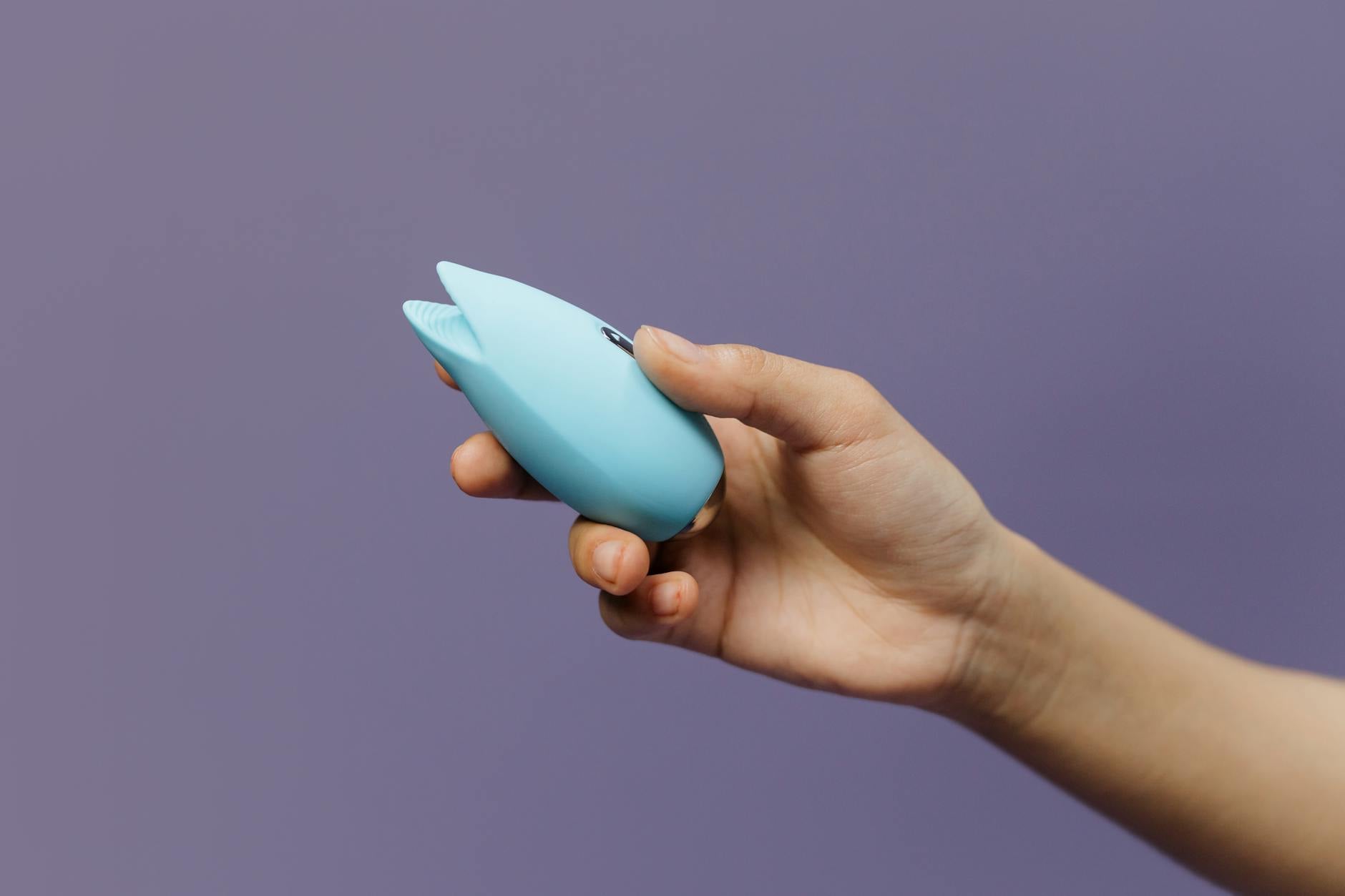
How Lemon Vibrators Feel After Using Numbing Cream
Let's talk about something nobody warns you about: what happens to your body when you use topical anesthetics and then want to feel pleasure again.
You've probably encountered numbing creams in one of a few contexts. Maybe you're managing pain from a specific condition. Maybe you're using one to ease anxiety before a gynecological procedure. Maybe you're dealing with vulvodynia or another condition where sensation itself feels painful. Whatever the reason, once that cream wears off, you're probably wondering when it's safe to use your lemon vibrator again, and honestly, what that first touch will feel like.
Here's what actually happens neurologically, how long the numbness persists, and the exact steps I recommend to reintroduce pleasure safely.
How topical anesthetics work on nerve endings
Most topical numbing creams contain lidocaine or similar agents that work by blocking sodium channels in nerve cells. They don't damage the nerve. They just temporarily pause its ability to fire signals to your brain. Think of it like unplugging your phone's speaker for a while. The phone is fine. The speaker is fine. But no sound comes through until you plug it back in.
The reason this matters for pleasure is that your clitoris has around 8,000 nerve endings concentrated in a space smaller than a pea. These nerves are incredibly sensitive. A lemon vibrator works precisely because it stimulates those nerves efficiently. When those same nerves are under anesthetic, you won't feel much of anything.
The numbness doesn't stay forever. Topical lidocaine typically lasts 30 minutes to 2 hours depending on the strength and how much you applied. But here's where it gets tricky: sensation doesn't snap back like a light switch. It returns in layers.
The recovery timeline after numbing cream
Hour 1 to 2: Complete or near-complete numbness. Don't use any vibrator, including a lemon clitoral vibrator, during this window. Your nervous system can't properly register what's happening, and you risk applying more pressure than you realize because you can't feel it.
Hours 2 to 4: Partial sensation returns. You'll feel pressure and broad touch but not fine detail or texture. This is when some people test things out, but it's premature. The rebound hypersensitivity often kicks in during this phase, meaning everything feels sharp or irritating rather than pleasurable.
Hours 4 to 6: Sensation normalizes. You're back to baseline. This is the green light for pleasure exploration.
The timeline shifts based on factors like the cream's strength, how much you applied, and your own skin's absorption rate. A 5% lidocaine cream wears off faster than a 10% cream. Some people metabolize it quickly. Others take longer.
Why reintroduction matters more than you'd think
After numbness fades, many people jump straight to their usual rhythm with a lemon vibrator and get frustrated or hurt. The tissues have been under stress (even if you couldn't feel it), and nerve sensitivity often swings in the opposite direction temporarily. What normally feels perfect can feel overwhelming.
I recommend a reset protocol: wait the full 4 to 6 hours, then start with manual touch. Use your fingers on the external clitoris, no vibration, for 3 to 5 minutes. Notice what normal sensation feels like. Let your nervous system recalibrate.
Only after that baseline touch does a lemon vibrator make sense. And even then, start at the lowest setting. The Lem's pattern 1 is designed for exploration precisely because it offers gentleness. Build up from there across the next few sessions.
The rebound sensitivity issue
This is the part people don't expect: sometimes after numbing cream wears off, sensation comes back too strong. You might feel tingling, slight burning, or rawness even though the tissues themselves are fine. This is called rebound hypersensitivity, and it's your nervous system overcorrecting.
It passes, usually within 24 hours. But during that window, skip the lemon vibrator entirely. Stick to external gentle touch or nothing at all. Pushing through it doesn't build tolerance. It can actually reset your pain threshold in the wrong direction.
If rebound sensitivity lasts more than a day or feels severe, check in with a gynecologist. It's usually not serious, but it's worth ruling out that the anesthetic masked something else.
Pain conditions and lemon clitoral vibrators
If you're using numbing cream because you have vulvodynia, vaginismus, or another pain condition, introducing vibrators needs extra care. The numbing cream helps you manage pain, but it's not teaching your nervous system that sensation is safe again.
Once you're past the rebound phase, a lemon suction vibrator can actually be helpful because suction distributes pressure differently than traditional vibration. It doesn't require sustained friction, which can be irritating for sensitive tissues. Many people with pain conditions find that the Lem's unique sensation profile is easier to tolerate than typical vibrators.
But start even slower than the baseline protocol. Literally 2 to 3 minutes at pattern 1. Increase by 1 minute every few days. Your goal isn't intensity. It's retraining your nervous system to associate clitoral stimulation with pleasure instead of pain.
Before, during, and after lubricant strategy
Here's something not widely discussed: numbing creams and lubricants interact. If you apply lube on top of numbing cream, you're essentially diluting the cream and changing how it absorbs.
Don't use lube under or with the numbing cream. Let the cream absorb alone for the time window specified on the package.
Once numbness is gone and you're reintroducing sensation, absolutely use water-based lubricant with your lemon vibrator. The cream may have left tissues slightly dried out, and lube will help everything feel smoother. Just make sure it's water-based so it works with silicone toys.
How to know if numbness is lingering too long
If you're past the 6-hour window and still can't feel pressure or touch clearly, that's unusual. Most topical anesthetics are fully metabolized by then.
Lingering numbness sometimes indicates you applied a much higher concentration than intended, or you've got an unusual reaction to the specific agent. If sensation hasn't returned within 12 hours, message your doctor. It's probably fine, but it's worth confirming.
Similarly, if you find yourself needing numbing cream every time you want pleasure, that's a signal that something else is going on. Pain during sex shouldn't be normalized. A gynecologist or pelvic floor physical therapist can help identify what's actually happening underneath.
Combining anesthetics with partner play
If you're using numbing cream as part of partnered intimacy, communication becomes even more important. Your partner can't read numbness. They can't feel what you're not feeling. You have to tell them explicitly: "I'm numb right now, I can't feel pressure, so let's skip penetration." Then "I've waited 4 hours, let's try manual touch first." Then "Okay, now I'm ready for the lemon vibrator at the lowest setting."
This sounds like a lot of talking. It is. And it's actually the kind of communication that deepens connection. You're explicitly stating what your body needs. You're not expecting your partner to guess. You're building intimacy around honesty instead of assumption.
When numbing cream is solving the wrong problem
I'll be direct: if you're using numbing cream to avoid discomfort so you can use a lemon vibrator or have partnered sex, that's a signal to pause and investigate.
Discomfort is data. It's your body telling you something. Maybe you need more arousal time. Maybe tissues need more lubrication. Maybe there's an underlying condition like vestibulitis or pelvic floor tightness that needs addressing. Maybe you're not actually in the mood, and numbing out sensation is a workaround for that mismatch.
Anesthetics are genuinely useful tools for specific conditions and situations. But using them as a blanket solution to avoid sensation tends to create a cycle where you become increasingly disconnected from what your body actually needs.
The recovery check-in
Once you've waited the full timeline and reintroduced sensation gradually, check in with yourself honestly. Does pleasure feel the same as before? Does the lemon vibrator feel like it did previously?
Most people find that sensation returns completely and normally. For some, especially if they've been using numbing cream chronically for pain management, there's a small adjustment period where pleasure feels less intense temporarily. This usually resolves within a week or two as your nervous system fully recalibrates.
If sensation doesn't normalize, or if you're struggling with the reintroduction process, that's actually a really valuable time to check in with a pelvic floor physical therapist or sex therapist. You've got clear baseline data about what changed and when. That information helps them help you.
The bigger picture
Using numbing cream and then exploring pleasure isn't failing at sex or pleasure. It's managing a real physical reality and then finding your way back to sensation thoughtfully. The lemon vibrator will be waiting. Your body will recover. And with a little patience, pleasure will feel the way it's supposed to again.
People also ask
How long after numbing cream can I use a lemon vibrator safely?
Wait at least 4 to 6 hours after applying topical anesthetic before using a clitoral vibrator. During the first 2 hours, you're completely numb. Between 2 and 4 hours, rebound hypersensitivity often kicks in, making everything feel sharp or overwhelming. By hour 4 to 6, sensation has normalized enough for gradual reintroduction. Start at the lowest intensity setting even then.
Can numbing cream damage my ability to feel pleasure permanently?
No. Topical anesthetics block nerve signals temporarily but don't damage nerve tissue. Once the cream metabolizes, sensation returns fully. That said, if you're using numbing cream repeatedly because sex is painful, that's worth investigating with a healthcare provider. Chronic pain deserves proper diagnosis and treatment, not just numbing out.
Does rebound hypersensitivity always happen after numbing cream wears off?
Not always, but it's common. Your nervous system sometimes overcorrects after being muted, causing tingling or rawness for a few hours to a day. If it happens, give yourself a day off from vibrators and intense touch. The sensitivity passes on its own. If it lasts more than 24 hours, check with your doctor.
Is water-based lube safe to use with numbing cream underneath?
No. Lube on top of numbing cream dilutes it and changes absorption. Apply the cream alone, let it absorb fully, wait for numbness to fade completely, then use lube with your lemon vibrator. This approach protects both efficacy and comfort.
Should I tell my partner if I'm using numbing cream?
Yes, absolutely. Your partner can't tell you're numb by looking at you. Explicit communication about what you're feeling (or not feeling), what you need, and when you're ready to progress is essential for safety and intimacy. This kind of honesty actually deepens connection.
What if sensation doesn't return fully after 12 hours?
That's unusual. Most topical anesthetics metabolize completely within 6 to 8 hours. If numbness persists past 12 hours, contact your doctor. It's probably a reaction or a higher-than-intended concentration, but it's worth confirming. Don't wait longer than 24 hours to check in.
Pleasure should feel good. That includes the reintroduction phase after using numbing cream. Take your time. Listen to what your body is telling you. And know that with a little patience, sensation returns completely and the lemon vibrator will feel as incredible as ever.