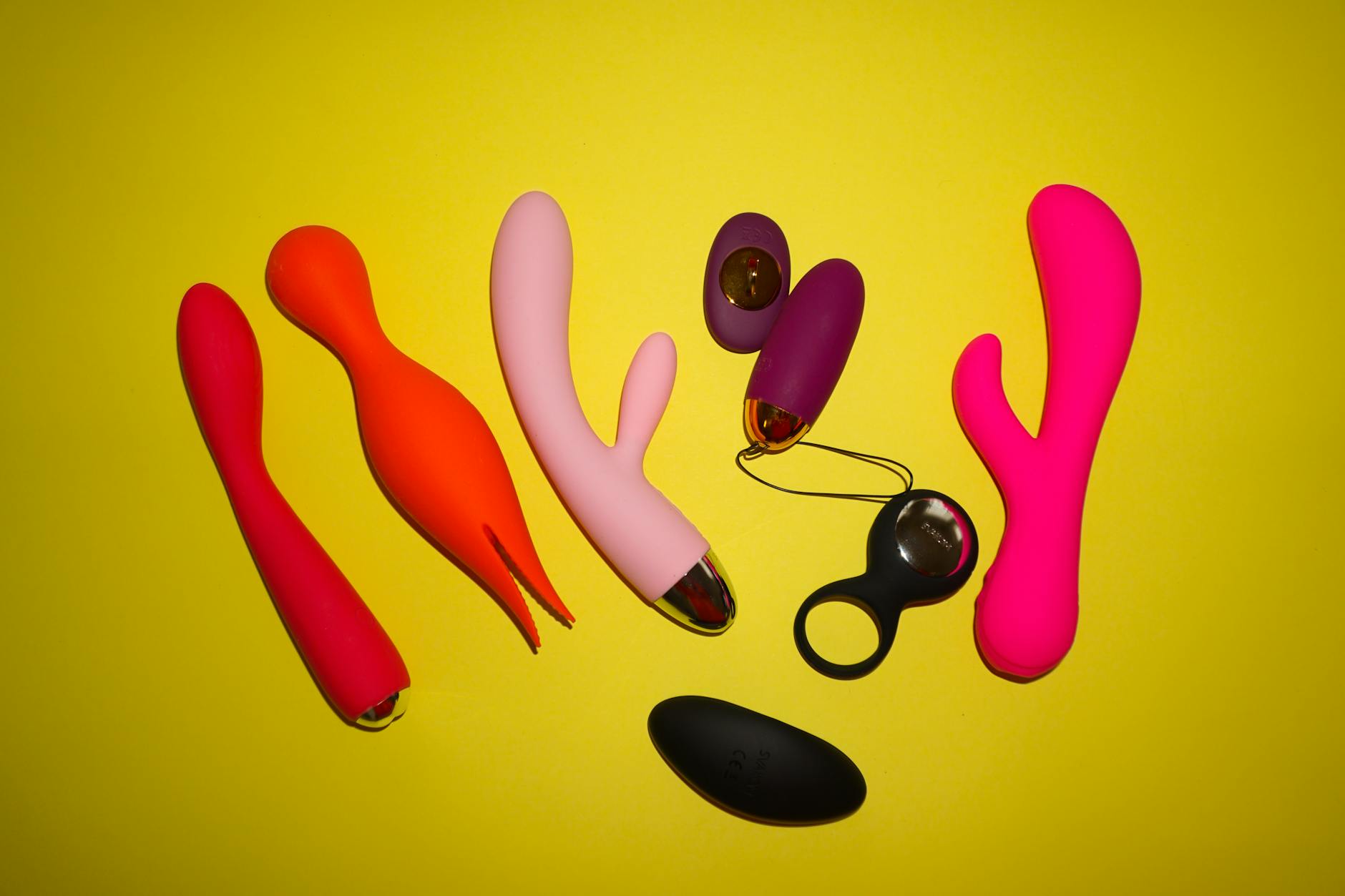
Let's talk about what actually happens
Pregnancy and childbirth rewire your body in ways that surprise almost everyone. If you're thinking about using a lemon vibrator or any clitoral vibrator postpartum, you'll probably notice the sensation feels different than it did before. That's not failure, and it's not permanent. It's biology.
Here's the honest version of what shifts, why it matters, and what you can do about it.
The physical changes no one mentions clearly
During pregnancy, your body floods with relaxin. This hormone softens ligaments to prepare for birth. Simultaneously, blood flow to the pelvic region increases dramatically. Your vulva and clitoris swell. Tissue becomes more sensitive and vascular.
Then you give birth.
Whether you delivered vaginally or via cesarean, your body now contains less estrogen than it did in late pregnancy. The perineal tissue (if you tore or had an episiotomy) is healing and rebuilding collagen. The pelvic floor, which supported a pregnancy weight, is weakened and needs retraining. Nerve sensitivity can temporarily diminish from birth trauma, even minor tears. And if you're breastfeeding, your estrogen remains suppressed, which means less natural lubrication and thinner vaginal and vulvar tissue.
All of this combines to create a sensation that feels objectively different when you use a lemon vibrator or any clitoral toy.
Why clitoral vibrators feel off in the early postpartum weeks
Three main culprits.
1. Tissue sensitivity shifts. Your clitoris and the surrounding tissue may feel hypersensitive early on (touching it even gently feels intense or raw), or paradoxically numb (like you're getting sensation from far away rather than directly). Both are normal. The tissue is healing. Give it 4-8 weeks before expecting normal sensation.
2. Pelvic floor tension interferes. When the pelvic floor is weak and destabilized, your body often compensates by tensing it. This tension actually blocks sensation and makes pleasure harder to access. A lemon clitoral vibrator works best when your pelvic floor can relax fully. Right now, you might not be able to.
3. Psychological load cancels arousal. Hormones are tanking. You're sleep-deprived. Your body feels like it belongs to the baby. Your partner might be afraid of hurting you. This cognitive load is huge. Pleasure requires mental bandwidth you probably don't have right now, and that's completely fine.
The timeline: when sensation typically normalizes
Weeks 0-6: Don't use any vibrator. Your body is actively healing from a major physical event. Let it rest.
Weeks 6-12: You might be medically cleared for penetration, but that doesn't mean pleasure is back. Sensation is still rebuilding. If you want to explore a lem vibrator at this stage, go slow with the gentlest settings. Use plenty of lubricant (breastfeeding and suppressed estrogen mean your body isn't producing much). Start with pattern 1 on the Lem.
Months 3-6: Sensation and arousal capacity often return significantly, especially if you're doing pelvic floor physical therapy. Many people find this is when pleasure starts to feel accessible again.
Months 6-12: By six months postpartum (earlier if you're not breastfeeding), estrogen typically begins to rebalance. Tissue regenerates. You've likely rebuilt pelvic floor strength. This is usually when clitoral vibrators start to feel genuinely pleasurable again.
Beyond one year: If pleasure still feels muted or uncomfortable, talk to your doctor. You might need pelvic floor PT, topical estrogen cream, or just more time.
How to use a lemon vibrator safely during postpartum recovery
If you're cleared by your doctor and want to explore pleasure again, here's what actually works.
Start solo, not with a partner. You need to relearn your own body without performance pressure. Solo exploration with a lemon vibrator (or just your hands) lets you figure out what feels good right now.
Use water-based lubricant generously. Breastfeeding hormones suppress natural lubrication. Don't assume you're dry because something's wrong. Thin estrogen-depleted tissue just needs external support. Water-based lube is your friend.
Begin on the lowest setting. The Lem has multiple intensity patterns. Start on pattern 1 and stay there for several sessions before moving up. Your tissue is more delicate right now, and you're relearning sensation.
Give yourself permission to feel nothing. Early postpartum pleasure doesn't always feel good. It might feel numb, or weird, or like you're touching someone else's body. That's okay. Sensation returns. You don't need an orgasm to make solo exploration worthwhile.
Work with your pelvic floor. If you're doing pelvic floor physical therapy (which I recommend for every postpartum person), tell your therapist you're exploring pleasure again. They can tell you if your floor is ready and coach you on how to relax it during pleasure.
The emotional piece matters as much as the physical
Your body spent nine months being used by pregnancy and then labor. Now there's a baby. Your body is still not fully yours. The idea of using it for pleasure again can feel weird, selfish, or triggering. That's not unusual, and it's not something a lemon vibrator can fix.
If you have a partner, this is the moment to have a conversation that isn't about sex yet. It's about reconnection. "I miss feeling close to you, and I'm also still healing. Let's figure out what that looks like for us." That might be six months away. It might be partnered pleasure without penetration. It might be you using a lem vibrator while your partner is present but not involved. There's no timeline for this part.
Many postpartum people find that solo pleasure with a clitoral vibrator is their first way back to feeling like themselves. That's valuable. Don't skip it waiting for "normal" partnered sex.
When to check with your doctor
If pain is present, especially sharp or throbbing pain during or after using a vibrator, stop and talk to your OB. You might have a healing complication, pelvic floor dysfunction, or scar tissue that needs attention.
If numbness persists beyond six months, it's worth mentioning. Birth can damage the pudendal nerve, which supplies sensation to the vulva. This is rare but real and very treatable.
If breastfeeding is suppressing your desire so much that you feel nothing at all, consider talking to your doctor about whether the timing is right to explore pleasure. Sometimes the answer is just to wait. That's fine.
The good news
Your pleasure doesn't end with birth. It shifts. For many people, the pleasure that comes back is deeper because you now know your body in a completely different way. You understand resilience. You understand boundaries. You know what your body can do. That's not nothing.
A lemon vibrator, when you're ready, can be part of finding your way back to yourself. Just be patient with the timeline. Your body earned a rest.