Let's talk about the real complication
Endometriosis rewires how pleasure works. Not in the poetic, spiritual sense. In the actual neurological sense. Your pelvic nerves are inflamed, irritated, or hypersensitive. That changes everything about arousal, sensation, and how your body responds to any kind of stimulation, including clitoral vibrators like the Lem.
The hard part: no two people with endometriosis have identical pain patterns. What triggers symptoms in someone else might not affect you. That's why generic advice fails. You need to know what's actually happening in your body, and then figure out what works within those constraints.
What endometriosis actually does to arousal
Endometrial tissue growing outside the uterus causes chronic inflammation. Your pelvic nerves, already overstimulated from the disease itself, become hypersensitive. This is called central sensitization. Essentially, your nervous system is turned up too loud.
Here's what this means for pleasure:
The pain-arousal conflict. Arousal requires increased blood flow to the pelvic area. So does endometriosis flare-ups. Your body can't always tell the difference between pain blood flow and pleasure blood flow. This creates a confused signal: your clitoris might feel stimulated while your lower abdomen feels inflamed.
Inconsistent sensitivity. On good days, direct clitoral stimulation might feel amazing. On inflamed days, the same touch feels unbearable. You're not broken. Your nervous system is legitimately responding to inflammation.
Delayed arousal. The mental load of managing pain, plus the physical reality of pelvic tension, can slow down the cascade that builds toward orgasm. You might need longer warm-up time, or you might find arousal stops and starts unpredictably.
Post-orgasm pain. Some people with endometriosis experience increased cramping or pain after orgasm because the uterine contractions that feel good are the same contractions that trigger endo pain.
None of this means you can't have pleasure. It means pleasure requires more information and more patience.
Why clitoral vibrators work differently with endometriosis
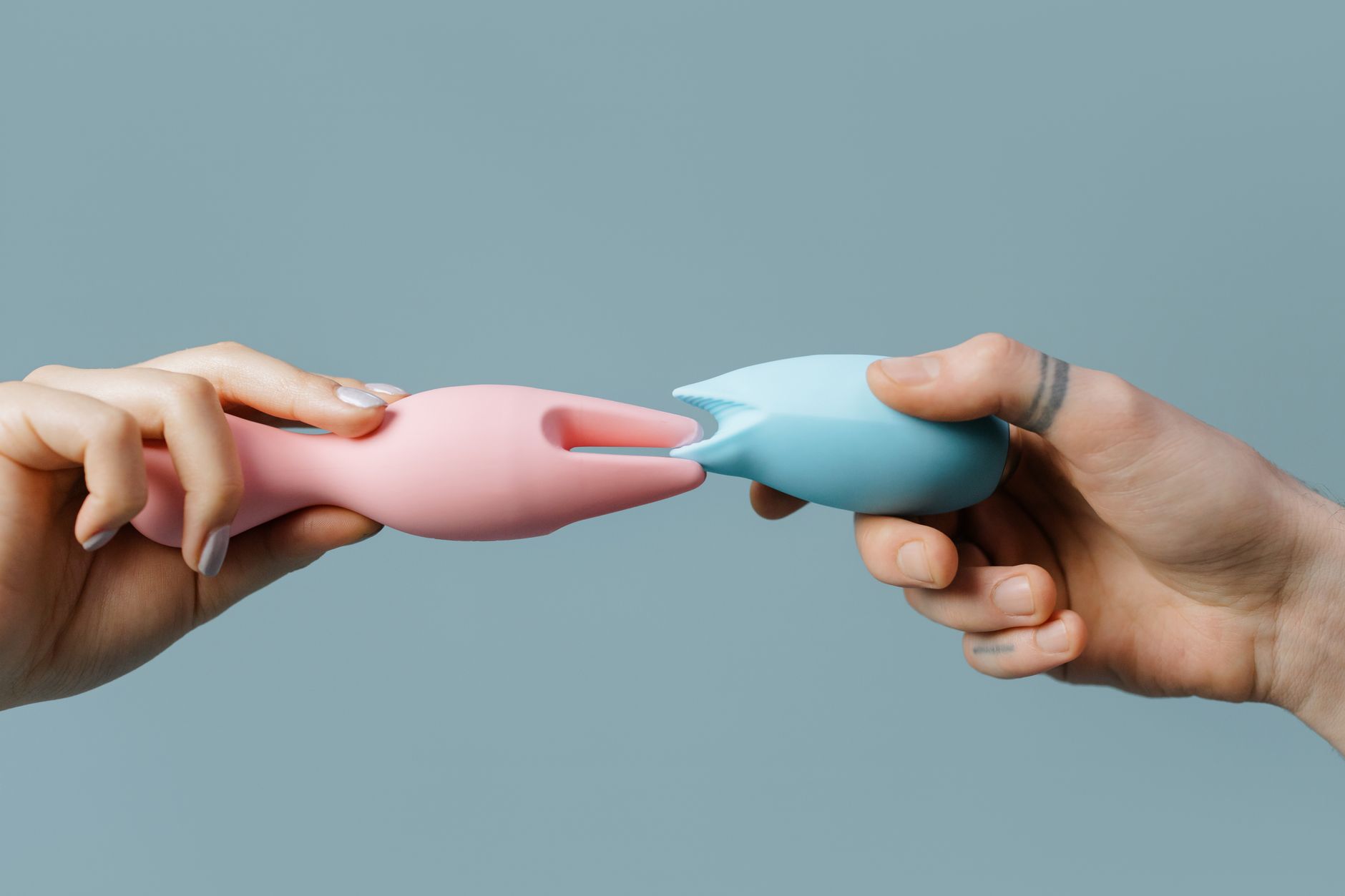
The beauty of the Lem and other lemon clitoral vibrators is that they stimulate nerves without requiring deep penetration or intense internal pressure. That matters when you have endometriosis.
Here's the mechanics. When you use a clitoral vibrator, you're bypassing the inflamed internal tissues. Your clitoris has its own nerve supply, separate from your uterus and pelvic cavity. That doesn't mean it's pain-free, but it's less entangled with the endometriosis tissue.
The suction-style action of a lemon vibrator is particularly useful. Instead of direct vibration, suction applies gentle, rhythmic pressure that stimulates the clitoral tissue without friction that can irritate sensitive skin. For people managing pelvic inflammation, this is often more tolerable than traditional vibrators that rely on rapid movement.
That said, sensitivity to vibration intensity changes when you're inflamed. The pattern that felt perfect last week might feel too intense this week. This isn't random. It's your nervous system accurately reporting that inflammation levels have shifted.
The timing thing nobody explains
Your menstrual cycle affects endometriosis symptoms, which affects how vibrators feel. The luteal phase (after ovulation) is when endometriosis pain typically peaks. Your pelvic nerves are more sensitized. Orgasm might feel further away, or touching yourself might trigger cramping you don't experience in the follicular phase.
This is genuinely useful information. It means you can track your pleasure patterns the same way you track pain. Some people find that using clitoral vibrators during their follicular phase (first half of the cycle) feels more reliably pleasurable. Others find that gentle stimulation during the luteal phase actually reduces overall pelvic tension, even if the sensation itself feels different.
The key is permission to have different pleasure at different times. You're not failing at arousal. Your body is doing exactly what an inflamed pelvic nervous system does.
What actually helps when you're using lemon vibrators
Four practical shifts that make the experience safer and more consistent:
Start even lower than you think. If the Lem has intensity settings, begin at level 1. I mean genuinely start there, even if you'd normally use level 3 or 4. Inflamed tissue doesn't need aggressive stimulation. Gentle rhythm works.
Lubricate generously. Endometriosis can cause vulvar changes and reduced natural lubrication. Water-based lube isn't just comfort. It reduces friction that could trigger inflammation. Use more than feels necessary.
Build warm-up time. Give yourself 20 to 30 minutes before any genital touch, especially during your luteal phase. Warm baths, gentle breathing, mental space. Let your nervous system understand this is pleasure, not pain.
Know your stop signals. This isn't about powering through. If you feel sharp pain, cramping, or that particular endo ache, stop. Finishing the orgasm isn't worth a three-day flare. Your body is protecting you, and that's the correct response.
The partner conversation
If you have a partner, they need to understand that endometriosis changes the rules. Not permanently, but situationally. Some days you can have partnered sex and use a vibrator. Some days any pelvic pressure feels unbearable. Some days arousal is available and some days it's not.
The most useful thing is honesty without apology. "My body is dealing with inflammation right now" is complete information. You don't need to justify why that affects pleasure. It just does.
Many people with endometriosis find that solo pleasure with clitoral vibrators feels more predictable than partnered sex, because there's no pressure to be ready on someone else's timeline. That's valid. Your nervous system gets to set the pace.
When to talk to a doctor
If pain during pleasure is new or worsening, mention it at your next gynecology appointment. Endometriosis is progressive, and changing pain patterns matter. A pelvic floor physical therapist can also help. Sometimes the tension in your pelvic floor muscles is both a response to endo pain and a thing that makes pain worse. Retraining that tension can shift the experience of pleasure noticeably.
Some people with endometriosis benefit from hormonal treatments that reduce inflammation overall. That often improves pleasure patterns too. This isn't about choosing between managing pain and having pleasure. Better pain management usually means better pleasure.
Your pleasure matters alongside your health. They're not opposing interests.
FAQ
Can I use a clitoral vibrator like the Lem if endometriosis pain is active?
Yes, but gently. If you're in a flare with significant cramping or sharp pain, avoid any stimulation that increases pelvic pressure. Mild aching that you usually tolerate is different. Know your own pain signature and stay within your window of tolerance. Some days that window is wide. Some days it's closed. Both are okay.
Does using a vibrator make endometriosis worse?
Not if you're listening to your body. The inflammation is already happening because of endometrial tissue, not because of what you do with a vibrator. That said, intense stimulation during a flare can trigger additional cramping. Gentle clitoral stimulation rarely makes things worse. Pushing past pain signals does.
Why does orgasm sometimes feel like it makes cramping worse?
Uterine contractions during orgasm are the same muscles that cramp with endometriosis. Your nervous system can experience both simultaneously. Some people find that the tension release of orgasm helps after. Others find the muscle activity itself triggers pain. Both are real. Tracking your own pattern matters more than a general rule.
Are lemon clitoral vibrators better than other vibrators if I have endometriosis?
Clitoral vibrators in general are a good choice because they focus stimulation away from internal tissues. The Lem's suction action is less jarring than some vibration patterns, which many people with pelvic sensitivity prefer. That said, the best vibrator is the one that feels manageable on your worst day, not just your best day. Start low, go slow, and pay attention to what your body tells you.
Should I avoid orgasm altogether if I have endometriosis?
Absolutely not. Orgasm can be therapeutic. It reduces cortisol, releases endorphins, and many people find that regular pleasure actually helps them manage pain overall. The goal isn't zero pain. It's pleasure that respects where your body is right now.
Can my pleasure improve if I'm treating my endometriosis?
Yes. When inflammation decreases, whether through medication, surgery, or other treatment, pelvic nerve sensitivity typically improves. That means you might tolerate vibration better, arousal might build faster, and pain patterns might shift. Give yourself time to discover your new baseline as your health improves.
You deserve pleasure that fits your body
Endometriosis complicates sex and pleasure, but it doesn't erase either one. Using clitoral vibrators like lemon vibrators can be part of navigating pleasure safely and consistently. The framework is simple: listen to your body, start low, respect your pain signals, and understand that your pleasure timeline is going to look different from what generic advice suggests.
That's not a limitation. That's wisdom.
If you want more specific guidance on integrating pleasure into your endometriosis management, we're here. Get in touch at /contact and let's talk about what your body actually needs.