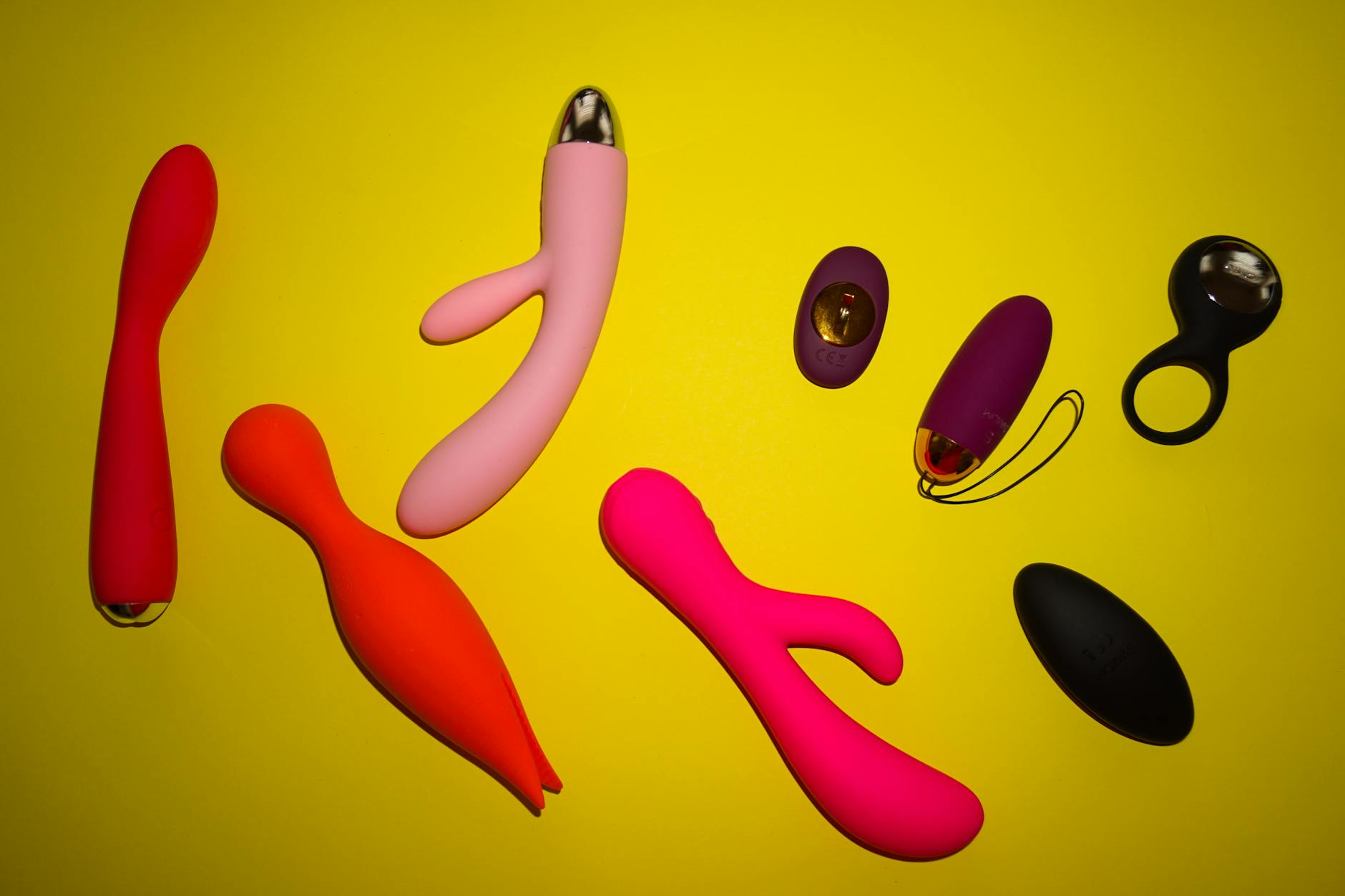
Let's talk about pressure sensitivity
You're not broken. If vibrators feel too intense, too direct, or leave you feeling raw instead of satisfied, your nervous system is telling you something real. Pressure sensitivity is common—and it's one of the biggest reasons people give up on vibrators altogether without ever trying a lemon clitoral vibrator.
Here's what most people don't know: the problem usually isn't vibration itself. It's how that vibration is delivered.
The difference between pressure and suction
Traditional vibrators—wands, bullets, egg vibrators—work by oscillating against your body. That's direct mechanical pressure. If you have pressure-sensitive skin or nerve endings, that constant direct contact can feel abrasive, numbing, or even painful. Your body is essentially being stimulated through friction and repeated impact.
Lemon vibrators and similar suction-based toys work completely differently. Instead of pressing against you, they create gentle waves of suction that pull at the tissue around your clitoris. This stimulates the same nerve endings, but without the grinding sensation. It's the difference between someone pressing their hand on your arm and someone gently lifting the skin.
For pressure-sensitive people, this distinction changes everything.
Why pressure sensitivity happens
There are a few reasons your body might feel sensitive to direct vibration:
Thin or reactive skin tissue. Some people's genital tissue is naturally more delicate. This isn't a defect—it's just variation in how quickly nerve receptors fire and how the tissue responds to repetitive stimulation.
Inflammation or irritation. Yeast infections, bacterial vaginosis, dermatitis, or even irritation from tight clothing can make the area hypersensitive. You can't relax into pleasure when your body is sending alarm signals.
Nerve hypersensitivity from medications. Antihistamines, corticosteroids, and even some anxiety medications can change how your skin perceives touch. Your neurons are essentially turned up too loud.
Sensory processing differences. People with autism or ADHD often experience heightened tactile sensitivity. For them, direct vibration can feel overstimulating rather than pleasurable. A lemon sucker's gentler approach often works better because it distributes stimulation more gradually.
Injury, surgery, or scar tissue. Post-surgical sensitivity or scar tissue from childbirth, episiotomy, or other trauma can make pressure feel unbearable for months or years afterward.
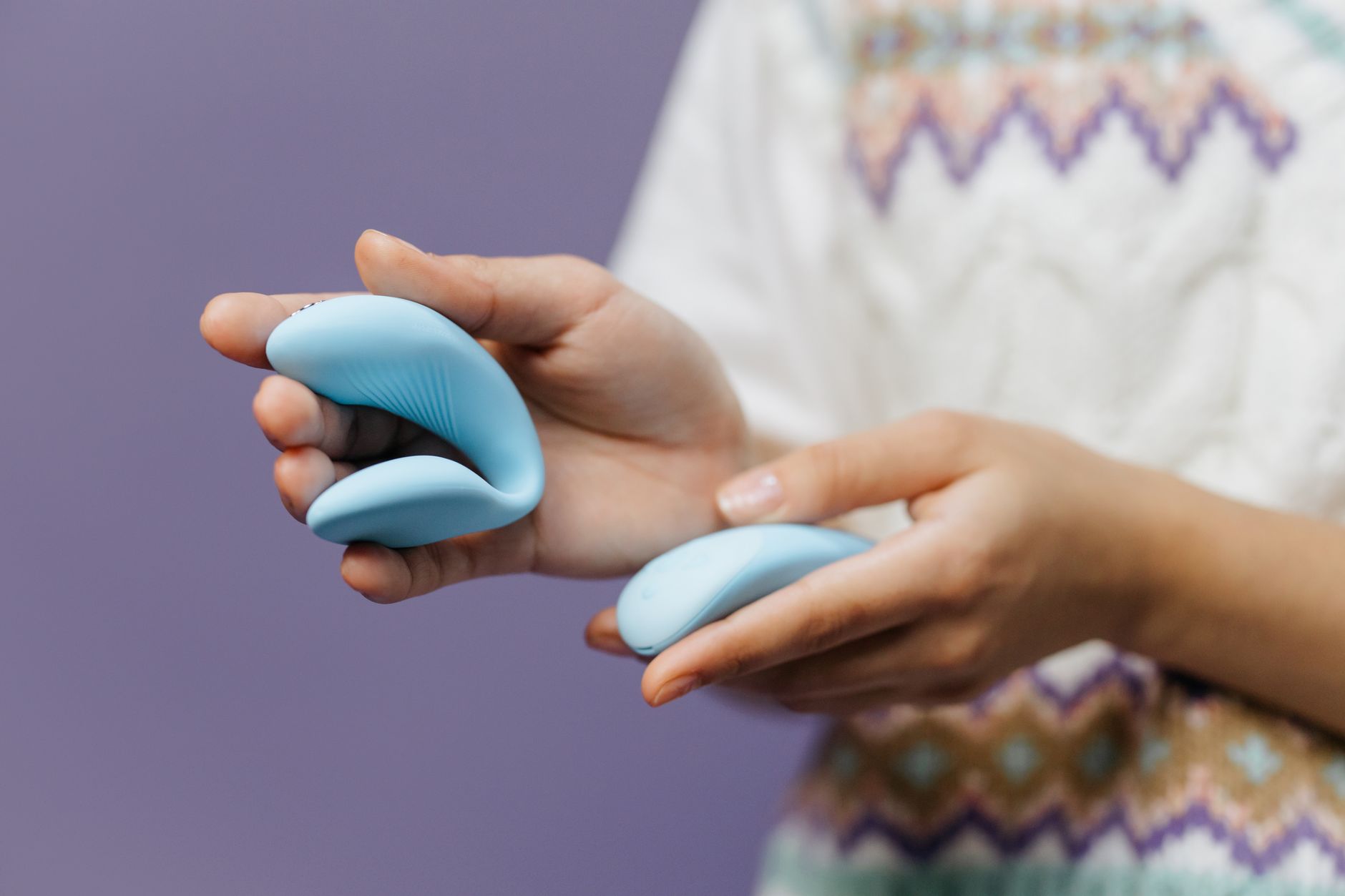
Photo by cottonbro studio on Pexels
How lemon vibrators solve the pressure problem
The Lem works through air-suction technology rather than traditional vibration. When you turn it on and position it over your clitoris, it creates a gentle rhythmic suction pattern. The tissue around your clitoris is drawn upward in waves, which stimulates the clitoral glans and the thousands of nerve endings in and around it—but without the sensation of being pressed directly.
What this means practically: you get stimulation without the grinding feeling. For pressure-sensitive people, this is often the first time a toy has ever felt good rather than uncomfortable.
The intensity levels matter too. Lemon vibrators start at a very low setting. If you begin on level 1 and your body is still finding it too intense, you can stop there. You're not forced into a one-size-fits-all vibration pattern. You control the experience.
What to expect if you've had bad experiences with other vibrators
If you've tried traditional vibrators and found them painful, numbing, or overwhelming, here's the likely trajectory with a lemon suction toy:
First few uses: tentative. Your body may be skeptical because it's learned that vibrators equal discomfort. Give yourself permission to go slow. Use it on the lowest setting, for just 5-10 minutes, with good lubrication. Your nervous system needs time to learn that this is different.
Sessions 3-5: recognition. Most people report a moment where the sensation clicks. It feels good instead of like work. This is where you'll often discover what intensity level and pattern actually suit your body.
Weeks 2-3: confidence. Once you've had a few positive experiences, you'll likely find you can relax faster, build arousal more naturally, and possibly reach orgasm for the first time in years.
That progression is common. You're not being dramatic if you need a few sessions to adjust. Your body is learning that this tool is safe.
Lubrication and pressure sensitivity
Good lubrication is even more important for pressure-sensitive bodies. Friction is what makes direct vibration feel raw. Lubrication reduces that friction and allows the suction sensation to feel smooth rather than abrasive.
Water-based lube is the standard choice for silicone toys like lemon clitoral vibrators. Apply it generously. You want the area slick enough that the suction feels gliding rather than grabbing. If you're someone whose natural lubrication decreases with age, illness, or medication, external lube is not optional—it's essential infrastructure for pleasure.
Reapply between sessions if you're going for longer than 10-15 minutes. As the lube warms up and your body's natural moisture contributes, the sensation should feel increasingly comfortable.
Beyond the toy: addressing the root cause
Sometimes pressure sensitivity is situational. Maybe you're sensitive right now because you have an active yeast infection, or you're three weeks post-delivery, or you just started a medication that's changed your skin reactivity. Once the underlying cause resolves, your sensitivity often does too.
If pressure sensitivity is chronic, it's worth checking in with a gynecologist or dermatologist to rule out conditions like lichen sclerosus, vulvodynia, or recurrent dermatitis. These are real, treatable conditions. Knowing what you're dealing with helps you work with your body rather than against it.
You might also explore whether stress, anxiety, or relationship tension is contributing. Tension in your pelvic floor muscles makes everything feel more sensitive. Pelvic floor physical therapy or even just intentional relaxation work can shift the entire experience.
What intensity levels actually mean
Lemon vibrators typically have 5-10 intensity settings. Level 1 is genuinely subtle. Many pressure-sensitive people find their sweet spot at levels 1-3. You're not missing out on pleasure by staying in the lower range. Pleasure isn't about intensity. It's about the right sensation for your particular nervous system.
Some people discover that alternating between two different intensity levels works better than staying on one. Try level 2 for two minutes, then level 3 for a minute, then back to level 2. The variation can feel more interesting than monotone stimulation.
Partners and pressure sensitivity
If you have a partner, this is worth talking about. Sometimes pressure sensitivity feels personal—like a rejection of your partner's touch. It's not. It's just how your nervous system is wired. A lemon suction toy isn't a replacement for your partner. It's often a bridge that helps you relax enough to enjoy both partnered touch and solo exploration.
Your partner can even be present while you use it. Some couples find that watching and learning what brings each other pleasure actually deepens intimacy. You're not hiding from your partner by using a toy. You're inviting them into a more honest conversation about what your body needs.
The psychological piece
If you've spent years thinking something was wrong with you because vibrators hurt, shame often travels alongside that. Using a lemon clitoral vibrator successfully can actually be emotionally healing. You get to experience the physical sensation of pleasure without pain. Over time, that rewires how you think about your own capacity for enjoyment.
That's worth acknowledging. The toy is great. The nervous system permission it gives you is life-changing.
Trying a lemon sucker when you're pressure-sensitive
Start low and slow. Set aside 15 minutes in a relaxed moment. Have water-based lubricant on hand. Position yourself comfortably—lying down, or whatever lets your pelvic floor actually relax. Turn on level 1. Breathe. Let your body adjust to the sensation for a minute or two before expecting pleasure. Pleasure isn't the goal on the first try. Comfort is the goal.
If it doesn't feel right on the first attempt, that's fine. Try again in a few days. Your body might need multiple exposures to feel safe with a new sensation.
If after three solid attempts it's still uncomfortable, you might need a different toy. Not every toy works for every body. But most pressure-sensitive people find that suction-based lemon vibrators click in a way traditional vibrators never did. That's because the technology actually respects how your nervous system works.
FAQ
What's the difference between a lemon vibrator and a wand vibrator for pressure sensitivity?
Wand vibrators deliver broad, powerful vibration across a larger surface area through direct oscillation. For pressure-sensitive bodies, that can feel like a jackhammer. Lemon vibrators use suction, which stimulates more gently through waves of lift rather than impact. Most pressure-sensitive people find lemon suction toys significantly more comfortable than wands.
Can pressure sensitivity ever go away?
Sometimes yes, sometimes no. If it's caused by inflammation, injury recovery, or medication side effects, treating the underlying issue often helps. If it's how your nervous system is fundamentally wired, it usually doesn't disappear—but you learn what works with it instead of against it. Many people find their pressure sensitivity decreases slightly over time as they use lemon clitoral vibrators regularly and their nervous system learns to relax into the sensation.
Is it normal to need lubrication every time?
Yes, completely. Lubrication reduces friction and makes suction feel smoother. For pressure-sensitive bodies, good lube is the difference between pleasure and discomfort. Never skip it. Water-based lube is safest for silicone toys like the Lem.
Can I use a lemon vibrator if I have vaginismus?
Maybe, but carefully. Vaginismus involves involuntary muscle tension, which makes pressure feel much worse. A lemon sucker's gentler approach might work better than traditional vibrators, but you'll want to pair it with relaxation work or pelvic floor therapy. Consult a pelvic floor PT before trying any penetrative toy if you have vaginismus. Start external-only if you do try.
What if I'm sensitive to one specific pattern but not others?
Different vibrators and intensity levels feel different. Experiment. You might find that your body loves the pulsing pattern on level 2 but hates the steady vibration on level 3. That's useful information. You're not being difficult. You're learning your own pleasure map.
How long does it take to feel comfortable with a lemon vibrator if I have pressure sensitivity?
Varies widely. Some people feel the difference on the first try. Others need 3-5 sessions before their nervous system relaxes enough to enjoy it. Give yourself at least a week and three solid attempts before deciding it's not for you. Your body often needs time to trust a new sensation.